


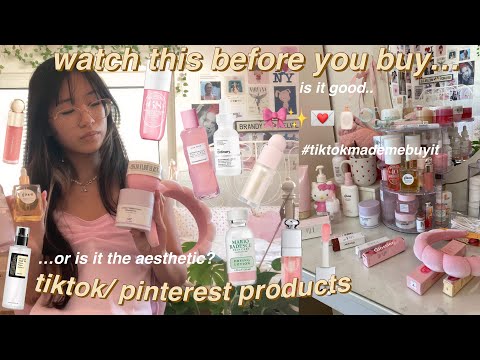
The world of beauty products is overflowing with options, and every year, thousands of new formulations hit the market promising transformative results. Whether you are a skincare enthusiast, a makeup lover, or someone just beginning to explore the cosmetic landscape, reading and writing beauty product reviews has never been more important. With so much marketing hype surrounding beauty brands, it can be genuinely difficult to separate products that truly deliver from those that are little more than expensive placeholders. A well-crafted beauty product review serves as a beacon of trust, helping consumers make informed decisions backed by real experience, ingredient analysis, and dermatological insight. In this comprehensive guide, we will walk you through everything you need to know about reviewing beauty products, from beginner-level basics to advanced testing techniques that rival professional cosmetic evaluators.
How to Conduct a Beauty Product Review Like a Pro
Writing an honest and compelling beauty product review requires more than just sharing your opinion after a single use. Professional reviewers approach their work with structure, consistency, and a deep understanding of formulation science. The goal is to provide readers with actionable information that helps them decide whether a product is worth their investment. Here is a breakdown of the process that experienced reviewers follow.
Understanding Ingredient Lists and Formulations
Before you even apply a product to your skin or hair, the first step in any thorough beauty product review is examining the ingredient list. The order of ingredients on the label reflects their concentration, meaning the first few items make up the bulk of the formula. Familiarizing yourself with key active ingredients is essential for evaluating effectiveness. Some of the most commonly discussed actives in modern skincare include hyaluronic acid for hydration, retinol for cell turnover and anti-aging, niacinamide for pore refinement and brightening, and peptides for collagen stimulation. In hair care, ingredients like keratin, argan oil, and ceramides signal repair and protection. When reviewing a product, always cross-reference the ingredient list with known irritants, especially if you are evaluating products for sensitive skin or acne-prone complexions. Understanding formulation science gives your cosmetic reviews a level of credibility that purely opinion-based feedback simply cannot match.
Testing Methodology for Honest Reviews
Credible beauty product reviews are built on consistent and transparent testing methodology. A single use or a one-day trial does not provide enough data to make a meaningful judgment. Here is a standard testing timeline that professional reviewers adopt:
- Week 1: Patch test on a small area of skin to check for allergic reactions or irritation. Observe immediate texture, scent, absorption rate, and initial feel.
- Week 2-3: Incorporate the product into a regular routine. Monitor hydration levels, skin texture changes, breakouts, or any sensitivity.
- Week 4-6: Evaluate visible results such as improved radiance, reduced fine lines, oil control, or pigmentation changes. Compare before and after observations.
- Long-term (8-12 weeks): Assess whether results hold, improve, or diminish over time. This phase is especially critical for anti-aging and hair repair products.
Documenting each stage with photographs, notes on environmental factors like humidity and diet, and consistent application times adds tremendous value to your honest beauty reviews. Readers appreciate transparency, and detailed documentation sets your review apart from generic product commentary.
Top Beauty Product Categories to Review
Not all beauty products require the same evaluation approach. Different categories demand different criteria, and understanding these distinctions will elevate the quality of your beauty product reviews.
Skincare Reviews
Skincare is arguably the most reviewed category in the beauty industry. When evaluating moisturizers, serums, toners, and sunscreens, focus on texture, absorption, comedogenic potential, ingredient efficacy, and packaging practicality. Products containing SPF deserve special attention because their real-world performance in blocking UV rays can differ dramatically from lab results. Look for broad-spectrum protection claims and verify them through independent testing data whenever possible.
Makeup Reviews
Makeup product reviews center on application, finish, longevity, and color accuracy. A foundation that looks flawless in natural light may oxidize dramatically on oily skin. Lipsticks need evaluation for transfer, dryness, and pigment payoff. When reviewing makeup, always test under varied lighting conditions and on different skin tones to provide inclusive and genuinely useful feedback. Pay attention to how products behave across seasons, as humidity and temperature significantly affect performance.
Hair Care Reviews

Shampoos, conditioners, serums, and styling treatments each target different hair types and concerns. A beauty product review of a repairing mask, for example, should address whether it genuinely restores elasticity in chemically treated hair or simply coats the shaft with silicones for temporary smoothness. Distinguishing between superficial improvement and deep structural repair is a hallmark of expert-level evaluations.
Beginner’s Guide to Reading Beauty Product Reviews
If you are new to reading beauty product reviews, the sheer volume of information online can feel overwhelming. Here are the essential skills you need to develop to become a discerning reader:
- Check the reviewer’s skin or hair type: Results vary dramatically depending on whether someone has dry, oily, combination, sensitive, or curly hair. A product that works brilliantly for normal skin might cause breakouts on acne-prone skin.
- Look for photo evidence: Reviews with unedited, close-up photos taken over time carry far more weight than text-only testimonials.
- Watch for brand bias: Some reviewers receive free products and may feel compelled to soften their critique. Always look for disclosures and assess whether the review feels genuinely balanced.
- Cross-reference multiple sources: No single review should be your sole deciding factor. Compare feedback across several trusted platforms, including dermatologist-backed websites and independent beauty blogs.
- Understand the return policy: Even the most well-reviewed product might not suit you personally. Knowing return options empowers you to try new products with confidence.

Advanced Beauty Product Review Techniques
Once you have mastered the basics, you can adopt more sophisticated approaches to reviewing beauty products that align your evaluations with professional cosmetic standards.
Using the Corneometer and Tewameter for Measurable Data
Advanced reviewers often use instruments like the Corneometer (which measures skin hydration) and the Tewameter (which assesses transepidermal water loss). While these tools are typically found in cosmetic laboratories, even enthusiast-level reviewers can borrow or access similar devices through beauty science communities. Having quantifiable data to support your claims transforms a subjective review into a near-clinical assessment that readers find extremely compelling.
Evaluating Clean and Sustainable Beauty Claims
The clean beauty movement has introduced a new dimension to beauty product review methodology. Reviewers now need to evaluate not just performance but also environmental impact, sourcing ethics, cruelty-free certifications, and packaging sustainability. Terms like “non-toxic,” “clean,” and “green” are not universally regulated, so a responsible reviewer investigates whether brands back up their claims with third-party certifications such as Leaping Bunny, EWG Verified, or B Corp status. This level of analysis demonstrates topical authority and builds deep trust with environmentally conscious audiences.
Comparison of Popular Beauty Product Review Platforms
| Platform | Best For | Strengths | Limitations |
| YouTube | Visual demonstrations and long-term results | Real-time application, honest reactions, diverse creators | Brand sponsorship influence, variable production quality |
| Quick impressions and trending products | High engagement, community interaction, Stories for real-time reviews | Short format limits depth, algorithm bias toward sponsored content | |
| Beauty Blogs | Detailed ingredient analysis and long-form reviews | Deep research, SEO-friendly archives, expert tone | Less frequent updates, smaller audience reach |
| Unfiltered community opinions | Anonymity encourages honesty, diverse user experiences | No verification of reviewer credentials, anecdotal bias | |
| Dermatologist Sites | Clinically backed product assessments | Medical authority, evidence-based recommendations | Limited product coverage, formal tone may lack personality |
Expert Tips for Evaluating Beauty Products
Drawing from years of experience in the beauty review space, seasoned professionals recommend the following strategies to improve the reliability and depth of your beauty product reviews:
- Always read the full ingredient list before testing. Knowing what you are putting on your skin prevents unpleasant surprises and allows you to identify potential conflicts with your existing routine.
- Introduce one new product at a time. If you change multiple products simultaneously, you will never know which one caused a particular result, whether good or bad.
- Be honest about packaging and user experience. A beautiful jar might look luxurious, but if the product oxidizes or is difficult to dispense, that matters. Functionality deserves as much attention as aesthetics.
- Note the price-per-ounce ratio. Value perception is a major factor in whether a product is genuinely “worth it.” A fifty-dollar serum is only a bargain if a comparable thirty-dollar alternative delivers identical results.
- Consult dermatologists when evaluating products for medical skin concerns. Acne, rosacea, eczema, and hyperpigmentation often require treatment-grade products that go beyond cosmetic coverage. Reviews addressing these concerns should clearly state whether professional medical advice was sought.
- Track your routine meticulously. Keeping a digital journal or spreadsheet of every product used, application time, weather conditions, and observed effects creates an invaluable reference database that strengthens every future review you write.
Frequently Asked Questions About Beauty Product Reviews
How do I know if a beauty product review is trustworthy?
A trustworthy beauty product review includes specific details about the reviewer’s skin or hair type, a clear testing timeline, photographic evidence, disclosure of whether the product was purchased or gifted, and balanced observations that mention both positives and negatives. Reviews that are overly promotional or lack any criticism should be approached with caution.
What ingredients should I avoid in skincare products?
Common ingredients that may cause irritation or adverse reactions include synthetic fragrances, parabens (for those with sensitivities), alcohol denaturé in high concentrations, and physical scrubs with jagged particles that can cause micro-tears. However, tolerability varies from person to person, which is precisely why reading individualized beauty product reviews is far more useful than relying on blanket avoidance lists.
How long should I test a skincare product before reviewing it?
Most dermatologists and experienced reviewers recommend a minimum of four to six weeks for skincare products, and up to twelve weeks for anti-aging or hair repair formulations. The skin’s natural renewal cycle takes approximately twenty-eight days, so shorter testing periods rarely capture meaningful changes.
Are clean beauty product reviews different from conventional reviews?
Yes. Clean beauty product reviews place additional emphasis on ingredient safety, sourcing transparency, sustainability practices, and third-party certifications. Reviewers evaluating clean beauty products typically investigate whether brands use verified non-toxic formulations, cruelty-free testing practices, and eco-conscious packaging beyond standard performance metrics.
Can I trust beauty reviews from influencers who are not dermatologists?
Influencer reviews can be valuable for real-world application insights, texture assessments, and aesthetic opinions. However, for concerns involving skin conditions, active ingredients, or medical-grade treatments, it is always best to cross-reference influencer feedback with advice from board-certified dermatologists or trusted clinical beauty product review sources.
What is the best way to compare two similar beauty products?
The most effective method is a side-by-side comparison using identical testing conditions. Apply one product to one half of your face or a specific section of hair, and the alternative to another, then track differences in hydration, absorption, irritation, and visible results over several weeks. A structured comparison table outlining price, key ingredients, texture, longevity, and suitability for specific skin types also helps readers make quick, informed decisions.
Conclusion
The ability to read, write, and learn from high-quality beauty product reviews is an invaluable skill in today’s saturated beauty market. Whether you are a beginner trying to decode ingredient lists for the first time, an intermediate consumer refining your routine based on trusted feedback, or an advanced reviewer incorporating clinical instruments and sustainability analysis into your evaluations, the principles remain the same: be thorough, be honest, and always prioritize evidence over hype. The best reviews are those that empower readers to make confident decisions, acknowledge individual variation in results, and maintain a genuine curiosity about what makes beauty formulations truly effective. By adopting the structured methodologies and expert insights outlined in this guide, you will be well-equipped to navigate the ever-evolving landscape of beauty products with clarity, discernment, and confidence.