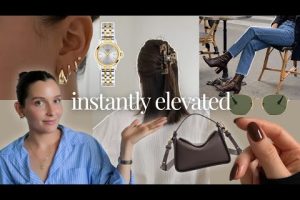
The way we dress speaks volumes before we ever utter a word. Clothes and styles have evolved from simple garments that shielded our bodies into powerful forms of self-expression, cultural identity, and social signaling. Whether you are just starting to explore fashion or you are a seasoned dresser looking to refine your approach, understanding the relationship between clothing and personal style can genuinely transform how you move through the world. This guide breaks down everything from wardrobe fundamentals to advanced styling strategies, giving you practical knowledge you can use right away.
The Evolution of Clothes and Styles Through the Decades
Fashion is never static. Every decade introduces new silhouettes, fabrics, and aesthetics that reflect the cultural mood of the time. Understanding this history helps you appreciate why certain style trends resurface and how they adapt to modern sensibilities.
The 1920s introduced loose-fitting silhouettes and flapper dresses that challenged traditional gender norms. The 1950s celebrated structured tailoring and feminine elegance. The 1970s brought bold self-expression through bell-bottoms, platform shoes, and vibrant patterns. The 1990s embraced minimalism, grunge, and streetwear influences that still dominate today’s fashion landscape. Each era left a permanent mark on how we approach clothing choices.
What makes this history relevant today is that modern style is deeply cyclical. Vintage fashion has made a massive comeback, with thrift shopping and upcycled clothing becoming central to sustainable style movements. Understanding these patterns gives you a richer perspective when building your wardrobe.
Understanding Different Clothing Categories and Style Types
Not all clothing serves the same purpose, and not every style fits every occasion. Breaking down wardrobe categories helps you make intentional decisions about what you wear and why.
Casual and Everyday Wear
Casual clothing forms the backbone of most people’s wardrobes. Think denim, cotton tees, sneakers, and relaxed-fit trousers. The key to elevating casual style lies in fit, fabric quality, and color coordination. A well-fitted pair of jeans paired with a clean white tee and minimalist sneakers can look far more intentional than expensive but ill-fitting alternatives.
Formal and Business Attire
Formal and business clothing demands attention to detail. Blazers, dress shirts, tailored trousers, and polished footwear communicate professionalism and competence. In corporate environments, clothing style often signals credibility, so understanding dress codes, fabric weights, and appropriate color palettes becomes essential.
Seasonal Style Considerations
Your clothing choices should naturally shift with the seasons. Lighter fabrics like linen and cotton work for warmer months, while wool, cashmere, and layered pieces dominate colder seasons. Seasonal styling also influences color palettes, layering techniques, and accessorizing strategies that keep your look both functional and fashionable.
Building a Versatile Wardrobe: Principles and Strategies
A strong wardrobe does not require a massive budget. It requires strategic thinking about the pieces you invest in and how they work together.
Here are foundational principles every dresser should follow:
- Invest in staples first. Neutral basics like a well-fitted blazer, quality dark denim, plain white sneakers, and a classic overcoat form the foundation of almost every outfit.
- Focus on fit over brand. A garment that fits your body shape perfectly will always outperform a designer piece that does not complement your frame.
- Build around a cohesive color palette. Choose three to four core colors that work well together and build your wardrobe within that spectrum.
- Prioritize quality fabrics. Natural materials like cotton, wool, linen, and silk age better, feel more comfortable, and project a more polished appearance than synthetic alternatives.
- Experiment with accessories. Watches, belts, scarves, and bags can completely transform an outfit without requiring new clothing purchases.
Comparing Popular Clothing Styles and Their Best Use Cases

Not every style works in every context. The table below compares popular clothing aesthetics with their ideal settings and key characteristics.
| Style | Key Characteristics | Best For | Common Pieces |
| Classic and Timeless | Neutral colors, clean lines, structured tailoring | Business, formal events, everyday professionalism | Blazers, tailored trousers, button-downs, oxford shoes |
| Streetwear | Oversized fits, bold graphics, athletic influences | Casual outings, urban settings, creative environments | Hoodies, joggers, graphic tees, high-top sneakers |
| Minimalist | Monochrome palettes, simple silhouettes, quality over quantity | Modern workplaces, date nights, clean aesthetic lovers | Plain knitwear, tailored pants, leather accessories |
| Bohemian | Layered textures, earthy tones, flowing fabrics | Festivals, casual weekends, artistic settings | Flowy dresses, fringe bags, layered jewelry, boots |
| Athleisure | Functional fabrics, sporty shapes, comfort-driven | Active lifestyles, casual comfort, hybrid work settings | Performance joggers, tank tops, running shoes, bomber jackets |
As you can see from this comparison, choosing a style depends heavily on your daily routine, personal preferences, and the environments you spend most of your time in. The most effective approach often involves blending elements from multiple aesthetics rather than committing rigidly to one category.
Expert Tips for Developing Your Personal Style

Developing a signature clothing style does not happen overnight. It requires experimentation, self-awareness, and consistent refinement.
Start with your body type. Understanding your proportions helps you select cuts and silhouettes that enhance your natural shape. Someone with a broader build might gravitate toward structured blazers that create balance, while a leaner frame might benefit from layered pieces that add visual dimension.
Study outfit references. Create a digital mood board or physical inspiration album with looks you admire. Analyze what specifically draws you to each outfit and identify recurring patterns in colors, textures, and garment types.
Embourage gradual evolution. Do not overhaul your entire wardrobe overnight. Replace one piece at a time with a more intentional alternative. This approach prevents wasteful spending and allows your style to develop organically.
Pay attention to grooming and presentation. Clothing style extends beyond the garments themselves. Hair, footwear, hygiene, and overall presentation all contribute to how your look lands on others. The best-dressed individuals understand that cohesive personal presentation matters just as much as the clothes they wear.
Frequently Asked Questions About Clothes and Styles
What is the best clothing style for a beginner who wants to look put-together? Start with a classic and minimalist approach. Neutral-colored basics, well-fitted trousers, a quality button-down shirt, and clean footwear create a polished foundation. You can gradually introduce personality through accessories, textures, and subtle color accents as you grow more confident in your choices.
How often should you update your wardrobe to stay current with fashion trends? You do not need to chase every trend. Focus on updating two to three key pieces per season, such as outerwear, footwear, or a statement top. Let trends filter through your personal style lens and only adopt what genuinely complements your existing wardrobe and aesthetic preferences.
Can you develop a personal clothing style on a tight budget? Absolutely. Building a stylish wardrobe is about intention, not expenditure. Thrift stores, outlet retailers, and seasonal sales offer excellent opportunities to find quality pieces at reduced prices. The key is patience — invest slowly in items that are versatile, well-made, and aligned with your long-term style vision rather than impulse purchases.
What are the most common mistakes people make when choosing clothes and styles? The three most frequent errors are purchasing items based on trend alone without considering fit, ignoring the importance of fabric quality, and failing to build around a cohesive color palette. These mistakes lead to cluttered closets and outfits that lack visual harmony. Always prioritize how a garment looks and feels on your body over how it appears on a hanger or in a photograph.
How do you dress appropriately for different occasions without owning a separate outfit for each one? The secret is building a capsule wardrobe with highly mixable pieces. A single blazer transforms a casual outfit into something semi-formal. Swap sneakers for loafers, and you have elevated your look instantly. Layering pieces like cardigans, scarves, and lightweight jackets adds versatility and allows you to adapt one core outfit to multiple settings throughout the day.
Conclusion
Mastering clothes and styles is an ongoing journey, not a destination. The most compelling personal style comes from a deep understanding of yourself — your body, your lifestyle, your preferences, and your goals. By combining timeless principles with intentional experimentation, you can build a wardrobe that serves you beautifully in every context. Start with the basics, invest in quality, stay curious, and let your clothing choices reflect the person you are becoming.