


E shopping, short for electronic shopping, has fundamentally transformed how billions of people discover, evaluate, and purchase products and services. If you have ever bought something online — whether it was a book on a tablet, a pair of sneakers from a mobile app, or groceries delivered to your doorstep — you have participated in e shopping. But what does e shopping really mean in today’s digital-first economy, and why does understanding its mechanics matter so much? This comprehensive guide dives deep into the definition of e shopping, explores how it works, examines the different models driving online commerce, and provides practical strategies for both consumers and entrepreneurs looking to thrive in the world of digital retail.
What Is E Shopping? A Clear and Comprehensive Definition
E shopping refers to the process of browsing, selecting, and purchasing goods or services through electronic platforms, primarily over the internet. Unlike traditional brick-and-mortar retail, e shopping eliminates the need for physical storefronts, allowing consumers to interact with products digitally through websites, mobile applications, and even social media channels. The term encompasses everything from large-scale marketplaces like Amazon and eBay to niche boutique online stores and direct-to-consumer brands selling through their own proprietary digital storefronts.
At its core, e shopping integrates several critical components: product catalog browsing, secure digital payment processing, order management, shipping logistics, and post-purchase customer support. When all of these elements work seamlessly together, the result is a frictionless buying experience that saves time, broadens choice, and often delivers better pricing than traditional retail channels can offer.
How E Shopping Works: The Technology Behind Online Purchases
Understanding how e shopping functions at a technical level helps both consumers and business owners appreciate the sophistication involved in every online transaction. The process typically unfolds through a series of interconnected stages.
1. Product Discovery and Browsing
Consumers begin by visiting an e shopping platform, where they can browse categories, use search filters, read product descriptions, and view images or videos. Advanced platforms leverage recommendation engines powered by artificial intelligence to suggest products based on browsing history, purchase patterns, and demographic data.
2. Adding Items to a Digital Cart
Once a buyer selects a product, it is added to a virtual shopping cart. This cart retains item details, quantities, pricing, and any applicable discounts until the buyer proceeds to checkout.
3. Secure Payment Processing
Payment gateways — such as Stripe, PayPal, or Square — encrypt sensitive financial information and route transactions through banking networks. Multiple payment options, including credit cards, digital wallets like Apple Pay and Google Pay, buy-now-pay-later services, and even cryptocurrency, are increasingly standard in modern e shopping ecosystems.
4. Order Fulfillment and Delivery
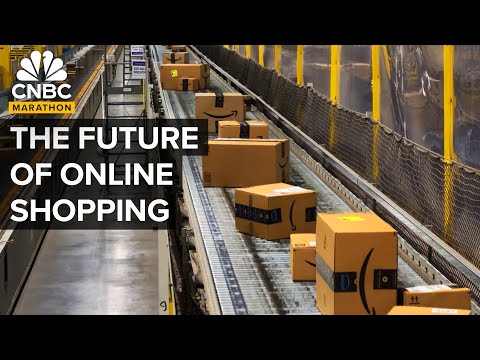
After payment is confirmed, the order moves into a fulfillment pipeline. This may involve warehouse picking, packing, labeling, and handoff to a shipping carrier. Real-time tracking notifications keep the buyer informed throughout the delivery process.
Key Features That Define a Great E Shopping Experience
Not all e shopping platforms are created equal. The best ones share a set of defining features that set them apart from mediocre online stores.
- Mobile-First Responsive Design: Over 70 percent of e shopping transactions now occur on mobile devices, making responsive design non-negotiable.
- Personalization Engines: AI-driven product recommendations, dynamic homepage content, and tailored email marketing create a customized shopping journey.
- Multiple Payment Options: Supporting diverse payment methods — from traditional cards to digital wallets and installment plans — reduces cart abandonment rates.
- Secure Checkout: SSL encryption, two-factor authentication, and PCI-DSS compliance protect sensitive user data.
- Transparent Return Policies: Clear return and refund guidelines build trust and encourage repeat purchases.
- Real-Time Customer Support: Live chat, AI chatbots, and comprehensive FAQ sections address buyer concerns instantly.
Types of E Shopping Models You Should Know
E shopping is not a monolith. Several distinct models define how transactions occur online, each serving different consumer needs and business strategies.
- Business-to-Consumer (B2C): The most common form of e shopping, where companies sell directly to individual customers. Think of retailers like Nike.com or Walmart’s online store.
- Business-to-Business (B2B): Platforms like Alibaba and ThomasNet facilitate wholesale transactions between businesses, often involving bulk orders and negotiated pricing.
- Consumer-to-Consumer (C2C): Marketplaces like eBay, Etsy, and Facebook Marketplace enable individual sellers to reach buyers directly.
- Consumer-to-Business (C2B): Freelance platforms like Upwork and Fiverr represent the inverse model, where individuals offer services or products to companies.
- Social Commerce: Platforms like Instagram Shopping, TikTok Shop, and Pinterest Product Pins blur the line between social media and e shopping, letting users purchase without ever leaving their preferred app.

E Shopping vs Traditional Retail: A Side-by-Side Comparison
While both e shopping and traditional retail aim to connect buyers with products, the differences in execution, reach, and cost structure are significant.
| Feature | E Shopping | Traditional Retail |
| Operating Hours | 24/7 availability | Limited by store hours |
| Geographic Reach | Global audience | Local or regional |
| Overhead Costs | Lower (no physical storefront) | Higher (rent, utilities, staffing) |
| Product Variety | Virtually unlimited inventory | Constrained by shelf space |
| Price Comparison | Instant across multiple platforms | Requires visiting multiple stores |
| Tactile Experience | Limited (relies on images and reviews) | Hands-on product interaction |
| Delivery Time | 1–7 days typically | Immediate pickup |
| Personal Interaction | Digital (chat, email, reviews) | Face-to-face with sales staff |
Neither model is universally superior. Many successful retailers now operate hybrid strategies, combining the convenience of e shopping with the experiential appeal of physical locations — a trend commonly referred to as omnichannel retailing.
Benefits and Challenges of E Shopping for Consumers and Businesses
Benefits
For consumers, e shopping offers unmatched convenience, broader product selection, competitive pricing, and the ability to read peer reviews before making a purchase. For businesses, the digital marketplace opens access to a global customer base, provides rich data analytics for decision-making, and reduces the overhead costs associated with physical retail locations.
Challenges
Despite its advantages, e shopping is not without hurdles. Cybersecurity threats, cart abandonment rates (which hover around 70 percent industry-wide), shipping logistics complexity, and the inability to physically inspect products before purchase remain persistent pain points. Businesses must also navigate evolving regulatory frameworks around data privacy, consumer protection, and cross-border taxation.
Expert Tips for a Safe and Rewarding E Shopping Experience
Whether you are a casual online shopper or an entrepreneur building your first digital store, these expert recommendations will help you get the most out of e shopping while minimizing risks.

- Verify Website Authenticity: Always check for HTTPS in the URL and look for trust badges from recognized security providers before entering payment information.
- Compare Prices Across Platforms: Use price comparison tools and browser extensions to ensure you are getting the best deal available.
- Read Customer Reviews Critically: Look for verified purchase reviews and be cautious of products with overwhelmingly positive feedback that lacks specific details.
- Understand Return Policies Before Purchasing: Know the window for returns, whether restocking fees apply, and if return shipping is free.
- Use Strong, Unique Passwords: Employ a reputable password manager to protect your e shopping accounts from unauthorized access.
- Leverage Cashback and Loyalty Programs: Many e shopping platforms and credit cards offer rewards programs that can significantly reduce your overall spending over time.
- Monitor Your Bank Statements: Regularly review transaction history to catch any unauthorized charges promptly.
Frequently Asked Questions About E Shopping
What is the difference between e shopping and e commerce?
While the terms are often used interchangeably, e commerce is a broader concept that encompasses all forms of online business transactions, including B2B wholesale, digital services, and subscription models. E shopping specifically refers to the consumer-facing act of browsing and purchasing products online.
Is e shopping safe for personal and financial information?
Reputable e shopping platforms employ robust security measures, including SSL encryption, tokenization, and fraud detection systems. However, consumers should always verify website legitimacy and avoid making purchases on unsecured or unfamiliar sites.
Can I start an e shopping business with little to no upfront investment?
Absolutely. Platforms like Shopify, WooCommerce, and Etsy allow entrepreneurs to launch online stores with minimal capital. Dropshipping models, in particular, enable sellers to offer products without holding inventory, significantly lowering the barrier to entry.
Why do online shoppers abandon their carts so frequently?
Cart abandonment is driven by a combination of factors: unexpected shipping costs, forced account creation, complicated checkout processes, limited payment options, and concerns about website security. Simplifying the checkout flow and offering guest purchase options are two of the most effective strategies to reduce abandonment.
How has mobile e shopping changed the retail landscape?
Mobile commerce, or m-commerce, has become the dominant channel for e shopping worldwide. The proliferation of smartphones, mobile-optimized websites, and dedicated shopping apps has made it possible for consumers to shop anytime, anywhere — fundamentally reshaping expectations around speed, convenience, and personalization.
What role do reviews and ratings play in e shopping decisions?
Online reviews serve as a critical trust signal in the absence of physical product interaction. Studies consistently show that products with higher ratings and a larger volume of reviews convert at significantly higher rates, making reputation management a vital component of any successful e shopping strategy.
Conclusion
Defining e shopping goes far beyond a simple explanation of buying things on the internet. It represents a vast, dynamic ecosystem that sits at the intersection of technology, consumer behavior, logistics, and digital marketing. From the moment a shopper discovers a product online to the final delivery at their doorstep, every stage of the e shopping journey is shaped by innovation, data, and the relentless drive to create better experiences. Whether you are a consumer looking to shop smarter or a business owner aiming to build a thriving digital storefront, understanding the full scope of e shopping — its models, features, challenges, and opportunities — is the foundation for success in the modern marketplace. The future of retail is digital, and e shopping is at the very heart of that transformation.