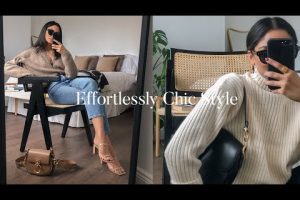
Chic styles have transcended being a mere fashion trend — they have become a timeless expression of personality, confidence, and cultural awareness. Whether you are drawn to the clean lines of minimalist chic, the romantic allure of vintage-inspired elegance, or the bold statements of contemporary fashion aesthetics, mastering the art of looking chic is about understanding proportion, quality, and self-awareness. In a world saturated with fast fashion and fleeting trends, developing a chic personal style remains one of the most rewarding investments you can make in yourself. This comprehensive guide explores everything from foundational principles to advanced styling techniques, helping you curate a wardrobe that speaks volumes without saying a word.
What Are Chic Styles? A Definition Beyond Trend
The term “chic” originates from French, meaning stylish and elegant. Unlike trendy fashion that shifts seasonally, chic styles represent a curated approach to dressing that prioritizes timelessness over novelty. A chic outfit is not about wearing the most expensive pieces — it is about wearing the right pieces with intention. Think of iconic fashion figures like Audrey Hepburn, Coco Chanel, and Phoebe Philo, whose wardrobes embodied sophistication through restraint and precision.
At its core, chic style revolves around several foundational principles:
- Intentionality — every outfit choice is deliberate, not random
- Quality over quantity — fewer garments, better construction
- Cohesion — a recognizable personal aesthetic across different contexts
- Adaptability — the ability to dress appropriately for any occasion while remaining authentic
Why Chic Style Matters in Modern Fashion
In 2024 and beyond, the fashion landscape has shifted dramatically toward sustainability, self-expression, and capsule wardrobes. Consumers are increasingly seeking sophisticated style choices that reduce waste while maximizing outfit potential. Chic aesthetics align perfectly with this movement because they emphasize versatility. A single well-tailored blazer, for instance, can anchor a business look, a weekend outfit, or even a dinner ensemble when styled differently. Understanding modern chic fashion means recognizing that less truly can be more — but only when every piece earns its place in your closet.

Types of Chic Styles: Finding Your Aesthetic
There is no single formula for chic dressing. The beauty of this aesthetic lies in its many interpretations. Below are the most prominent chic style categories that dominate fashion conversations today.
Minimalist Chic
Minimalist chic strips fashion down to its essentials. Neutral color palettes — think beige, ivory, black, navy, and soft gray — form the backbone of this approach. The focus is on clean silhouettes, precise tailoring, and luxurious fabrics. Brands like COS, Jil Sander, and The Row exemplify this aesthetic. Key pieces include structured handbags, silk basics, wide-leg trousers, and architectural footwear.
Vintage Chic
Vintage chic draws inspiration from past decades — the 1950s tea dresses, 1970s wide collars, or 1990s slip dresses — and recontextualizes them for modern wardrobes. This style celebrates thrift shopping, upcycling, and the romantic nostalgia of bygone eras. Pairing a vintage cashmere sweater with contemporary high-waisted jeans creates that effortless, layered sophistication that defines vintage-inspired elegance.
Classic Chic
Classic chic is the most traditional interpretation. It relies on timeless wardrobe staples: trench coats, pearl jewelry, pencil skirts, loafers, and crisp white shirts. This approach prioritizes impeccable fit and refined details. If you have ever admired the polished look of old-money fashion or preppy aesthetics, classic chic is your lane. It is the ultimate expression of understated sophistication.
Streetwear Chic
The fusion of streetwear and high fashion created one of the most dynamic style movements of the 2010s and 2020s. Streetwear chic blends sneakers, oversized hoodies, and graphic tees with tailored coats, leather accessories, and designer bags. Virgil Abloh and brands like Off-White and Fear of God popularized this aesthetic. It proves that comfort and elegance can coexist beautifully.
Bohemian Chic
Bohemian chic — or boho chic — layers textures, patterns, and global influences into a free-spirited yet refined aesthetic. Think flowing maxi dresses, suede fringed bags, layered necklaces, and earthy tones. It is less about structure and more about flow, movement, and artistic self-expression. This style appeals to those who want their fashion choices to feel artistic and organic.

Chic Style Comparison at a Glance
| Style Type | Best For | Color Palette | Signature Pieces | Difficulty Level |
| Minimalist Chic | Professionals, simplicity seekers | Neutrals, monochrome | Tailored blazers, silk camisoles | Intermediate |
| Vintage Chic | Nostalgia lovers, thrifters | Muted pastels, earth tones | Retro dresses, statement coats | Beginner to Intermediate |
| Classic Chic | Formal settings, corporate environments | Black, navy, cream, burgundy | Trench coats, pearls, loafers | Beginner |
| Streetwear Chic | Young professionals, creative industries | Bold accents, monochrome base | Designer sneakers, oversized outerwear | Advanced |
| Bohemian Chic | Artistic personalities, casual events | Earth tones, jewel tones | Flowing skirts, layered jewelry | Intermediate |
How to Build a Chic Wardrobe: Step by Step
Building a chic wardrobe does not require a massive budget. It requires strategy. Below is a phased approach that works whether you are just beginning your style journey or refining an already established closet.
Step 1: Identify Your Body Shape and Proportions
Understanding your body is the single most transformative styling skill. Different silhouettes highlight different features. For example, A-line skirts balance wider hips, while fitted waists emphasize a smaller midsection. Chic style tips always start with fit — nothing looks expensive if the proportions are wrong. Take measurements, try different cuts, and discover what makes you feel most confident.
Step 2: Define Your Color Palette
A cohesive color palette is what separates a chaotic closet from a chic one. Choose 5–7 core colors that complement your skin tone and lifestyle. Most style experts recommend having a dominant neutral, a secondary neutral, and two to three accent colors. This framework makes mixing and matching effortless and ensures every new purchase integrates seamlessly.
Step 3: Invest in Foundations First
Before buying statement pieces, build your wardrobe around foundational garments. These include:
- A perfectly fitted blazer in navy or black
- A high-quality white button-down shirt
- Well-tailored trousers in dark wash or charcoal
- A mid-length pencil skirt
- A versatile wrap dress
- Clean, minimal sneakers and classic heeled boots
These staples serve as the canvas upon which you layer personality and trend-driven pieces.
Step 4: Add Intentional Accessories

Accessories are what elevate an outfit from put-together to truly chic. A structured leather handbag, a delicate gold necklace, a silk scarf, or a pair of sunglasses can completely transform even the simplest outfit. The rule of thumb among fashion stylists is to keep accessories minimal but impactful — one or two statement pieces per look, never more.
Beginner, Intermediate, and Advanced Chic Style Strategies
Beginner: Start Simple
If you are new to curating a chic wardrobe, resist the urge to buy everything at once. Begin with three quality tops, two pairs of well-fitting pants, and one outerwear piece. Focus on fit above all else. Shop at brands known for quality basics, and explore affordable luxury options that prioritize construction over branding. Your goal at this stage is consistency — wearing cohesive, clean outfits daily.
Intermediate: Experiment with Texture and Layering
Once your foundation is solid, start introducing texture combinations. Pair cashmere with leather, linen with silk, or wool with denim. Layering is a hallmark of sophisticated style — it adds depth and visual interest. Try wearing a turtleneck under a sleeveless trench dress, or a crisp shirt beneath a chunky knit vest. This is also the stage to explore color blocking or subtle pattern mixing, like stripes with plaids.
Advanced: Master Personal Branding Through Fashion
At the advanced level, chic style becomes an extension of personal branding. You understand which silhouettes communicate authority, which ones suggest creativity, and which ones invite approachability. Advanced stylists customize trends rather than follow them — they might reinterpret a runway look for their specific body type, profession, and lifestyle. They also understand fabric quality at a granular level, recognizing the difference between genuine leather and vegan alternatives, or raw silk and processed satin.
Expert Tips for Elevating Your Everyday Look
Even with the right pieces and knowledge, certain habits separate those who simply own chic clothing from those who effortlessly embody chic style. Here are professional recommendations that stylists share with their clients:
- Tailor everything. Even expensive clothing looks cheap when it does not fit your body. A few tailoring sessions can transform your entire wardrobe.
- Shoes make or break an outfit. Invest in well-crafted footwear. A pair of quality loafers or ankle boots elevates even the simplest jeans-and-shirt combination.
- Maintain your garments. Chic style implies care. Clean, pressed clothing signals attention to detail. Learn basic fabric care and invest in proper storage.
- Dress for the environment, not just the occasion. Understanding context — office culture, social setting, climate — demonstrates emotional intelligence through fashion.
- Limit logos and branding. True sophistication whispers rather than shouts. Let the cut, fabric, and fit speak for themselves.
- Curate your wardrobe seasonally. Rotate pieces in and out, storing off-season items properly. This keeps your closet manageable and your choices intentional.
Chic Style FAQs
What makes an outfit “chic” rather than just fashionable?
An outfit is chic when it combines intentionality, quality, and timelessness. Fashionable outfits follow current trends, but chic outfits transcend trends by relying on excellent fit, sophisticated color choices, and carefully selected accessories. Chic is enduring; fashion is temporary.
How can I achieve a chic look on a budget?
Focus on buying fewer, better items. Thrift stores and outlet malls often carry high-quality pieces at a fraction of retail. Prioritize foundational garments — a well-cut blazer or tailored trousers — and build outward from there. Additionally, learning basic alteration skills can make inexpensive clothing look designer-level.
What are the best colors for a chic wardrobe?
Timeless neutrals — black, white, cream, navy, camel, and charcoal — form the ideal chic color palette. These colors mix effortlessly, photograph well, and never feel dated. Add personality through one or two accent colors that complement your skin undertone.
Is minimalism the same as chic style?
Not exactly. Minimalism is a philosophy that can inform chic dressing, but chic style can also include bold accessories, rich textures, and vibrant patterns. Minimalist chic is one subset, but bohemian chic, streetwear chic, and vintage chic all embrace variety while maintaining elegance.
How do I dress chic for a casual setting?
For casual environments, pair elevated basics with one standout piece. For instance, dark wash jeans with a cashmere crewneck sweater and clean leather sneakers create effortless chic. Add a structured tote bag and minimal jewelry to complete the look. The key is maintaining polish without appearing overdressed.
What role does fabric quality play in chic styling?
Fabric quality is arguably the most important factor distinguishing chic from cheap-looking fashion. Natural fibers like wool, silk, cotton, and linen drape beautifully, age gracefully, and feel luxurious. Synthetic fabrics often appear flat, wrinkle easily, and deteriorate quickly. When budget is limited, prioritize fabric quality over brand names.
Conclusion: The Timeless Power of Dressing Chic
Chic styles are not about following rules or mimicking someone else’s aesthetic. They are about developing a deeply personal relationship with how you present yourself to the world. Whether your preference leans toward minimalist elegance, vintage romance, or streetwear sophistication, the principles remain the same: intentionality, quality, fit, and authenticity. The journey toward a chic wardrobe is ongoing — it evolves as you do. Start with the fundamentals, refine through experience, and never underestimate the confidence that comes from wearing clothes that truly feel like yours. In a world full of noise, a chic presence always commands attention for the right reasons.