


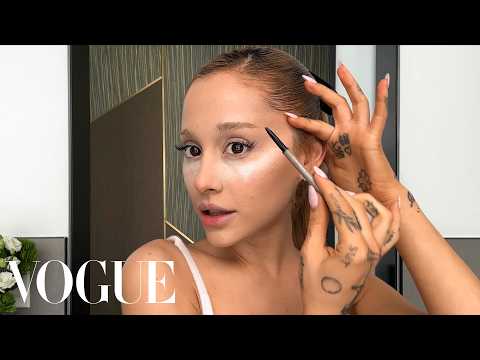
Your beauty routine is more than just a series of steps you rush through before heading out the door—it is a daily ritual that shapes the health, texture, and overall appearance of your skin. Whether you are just starting your skincare journey or you are a seasoned enthusiast looking to refine your approach, building a thoughtful, consistent beauty routine can transform your complexion in ways that no single product ever could. The secret lies not in using the most expensive products or following every trend you see online, but in understanding your skin, choosing the right ingredients, and staying committed to a regimen that works for your life. In this guide, we will walk you through everything from the foundational steps for beginners to advanced layering techniques that dermatologists swear by.
What Is a Beauty Routine and Why Does It Matter?
A beauty routine is a structured set of skincare and grooming practices performed daily or weekly to maintain healthy, radiant skin. Think of it as a foundation for everything else—makeup looks better on well-prepped skin, and your complexion reflects your overall health in real time. Dermatologists consistently emphasize that consistency matters far more than complexity. A simple routine followed every single day outperforms an elaborate routine that gets abandoned after a week. Your skin regenerates overnight, fights environmental damage during the day, and responds to the care you give it on a continuous loop. Neglecting that loop means letting pollution, UV rays, and stress take a toll without resistance.
The Core Steps of Every Beauty Routine

Every effective beauty routine rests on a handful of essential steps. These are not optional add-ons—they are the pillars that keep your skin balanced, protected, and functioning at its best.
Step 1: Cleansing
Cleansing removes dirt, oil, makeup residue, and environmental pollutants that accumulate on your skin throughout the day. The golden rule is to never sleep with makeup on, and to double-cleanse in the evening if you wear sunscreen or foundation. A gentle, pH-balanced cleanser works best for most skin types, stripping away impurities without disrupting your skin’s natural moisture barrier.
Step 2: Toning
Toning is often overlooked but plays a critical role in restoring your skin’s pH balance after cleansing. Modern toners go far beyond the harsh astringents of the past—hydrating toners with ingredients like hyaluronic acid and rose water prep your skin to absorb serums and moisturizers more effectively.
Step 3: Treating with Serums

Serums are the powerhouse of any beauty routine. They contain concentrated active ingredients that target specific concerns—whether that is fine lines, dark spots, acne scars, or dehydration. Vitamin C serum in the morning fights free radical damage, while retinol at night supports cell turnover and collagen production.
Step 4: Moisturizing
Every skin type needs moisture—even oily skin benefits from a lightweight, non-comedogenic moisturizer. Moisturizers seal in the previous layers and reinforce your skin barrier, preventing transepidermal water loss and keeping your complexion plump and supple.
Step 5: Sunscreen
SPF is non-negotiable. UV exposure is the single leading cause of premature aging, and no serum or cream can fully reverse that damage. Apply a broad-spectrum sunscreen with at least SPF 30 every morning, and reapply every two hours if you are spending extended time outdoors.
Beginner, Intermediate, and Advanced Beauty Routine Levels
Not everyone needs a ten-step Korean skincare regimen. Matching the depth of your routine to your experience level ensures you get results without overwhelming your skin or your schedule.
Beginner Beauty Routine: Keep It Simple
If you are just getting started, focus on three steps: cleanse, moisturize, and protect with sunscreen. This trio alone addresses the most fundamental needs of your skin. Once these feel like second nature—typically after four to six weeks—you can confidently layer in a toner and a single active serum.
Intermediate Beauty Routine: Target Specific Concerns
At the intermediate level, you begin tailoring your beauty routine to address individual goals. This is where you introduce exfoliants like AHA or BHA for texture, niacinamide for pore refinement, and peptides for firmness. You also start paying attention to ingredient order—thinnest textures first, thickest last—to maximize absorption and efficacy.
Advanced Beauty Routine: Layering and Cycling
Advanced skincare enthusiasts often practice ingredient cycling—alternating between actives like retinol, AHA exfoliants, and calming treatments across the week. This prevents irritation while maintaining steady progress. You may also incorporate face oils, eye creams, face masks, and overnight treatments to address every nuance of your skin’s needs.
Morning vs. Evening Beauty Routine: What Changes?
Your daytime and nighttime beauty routines should serve different purposes. The morning routine is about protection, while the evening routine focuses on repair and recovery.
| Aspect | Morning Routine | Evening Routine |
| Primary Goal | Protection from UV and pollution | Repair and regeneration overnight |
| Cleansing | Gentle rinse or mild cleanser | Double cleanse (oil + water-based) |
| Key Active | Vitamin C (antioxidant defense) | Retinol or AHA (cell turnover) |
| Moisturizer | Lightweight, SPF-infused preferred | Richer, barrier-repair formula |
| Sunscreen | Mandatory, SPF 30+ | Not needed |
| Extra Step | Eye cream for puffiness | Night mask or sleeping pack |
Common Mistakes That Sabotage Your Beauty Routine
Even the most well-intentioned beauty routine can fall flat if you are making these frequent errors:
- Skipping sunscreen on cloudy days — UV rays penetrate clouds and glass, so indoor and overcast exposure still matters.
- Over-exfoliating — Using AHAs or scrubs every day strips your moisture barrier and triggers excess oil production.
- Applying products in the wrong order — Thicker products first prevent thinner ones from penetrating the skin.
- Ignoring your neck and chest — These areas show aging signs just as fast as your face and deserve equal attention.
- Changing products too frequently — Skin needs time to adjust to new ingredients; give each product at least four weeks before evaluating results.
- Using dirty applicators — Brushes, sponges, and even your hands can harbor bacteria that lead to breakouts.
How to Build a Personalized Beauty Routine in 5 Steps
- Identify your skin type — Determine whether you are oily, dry, combination, or sensitive. This single decision shapes every product choice you make.
- Define your top concerns — Acne, hyperpigmentation, fine lines, dehydration, or redness? Prioritize one or two concerns at a time.
- Choose products with proven ingredients — Look for science-backed actives like hyaluronic acid, niacinamide, retinol, and zinc oxide rather than marketing buzzwords.
- Patch test everything — Apply a small amount of any new product behind your ear or on your jawline for two to three days before applying it to your entire face.
- Track your progress — Keep a simple journal or take weekly photos to objectively evaluate what is working and what needs adjusting.
Beauty Routine FAQs (Long-Tail Keywords)
What is the best beauty routine for oily skin?
For oily skin, the ideal beauty routine centers on lightweight, oil-free moisturizers, a gentle foaming cleanser, and non-comedogenic sunscreen. Incorporate a BHA exfoliant like salicylic acid two to three times per week to keep pores clear, and use a mattifying niacinamide serum to regulate sebum production throughout the day. Avoid heavy creams and silicone-based primers that can trap oil and cause congestion.
How long does it take to see results from a new beauty routine?
Most dermatologists agree that you need at least four to six weeks of consistent use to notice visible changes from a new beauty routine. Cell turnover cycles take approximately 28 days, so anything shorter simply does not give your skin enough time to respond. For deeper concerns like hyperpigmentation or collagen loss, results may take eight to twelve weeks of dedicated effort.
Can men follow the same beauty routine as women?
Absolutely. The biological fundamentals of skincare—cleansing, moisturizing, protecting—are the same regardless of gender. Men may need to pay extra attention to shaving-related irritation and may prefer lighter-textured products due to generally thicker, oilier skin, but the core principles of an effective beauty routine apply universally.
Is it necessary to use separate products for morning and night?
Yes, because your skin has different needs during the day versus at night. Morning demands protection from environmental stressors and UV damage, so antioxidants and sunscreen take priority. Nighttime is your skin’s repair window, which is when you want to use active ingredients like retinol and exfoliating acids that can increase sun sensitivity. Keeping these phases distinct maximizes the effectiveness of each step.
What should I do if my beauty routine is causing breakouts?
If breakouts appear after introducing a new product, stop using it immediately and simplify your routine to just a gentle cleanser and a basic moisturizer. Once your skin calms down—which usually takes one to two weeks—reintroduce products one at a time, waiting a week between each. This process, called product sequencing, helps you identify exactly which ingredient or formulation is triggering your skin.
Final Thoughts on Building a Winning Beauty Routine
The most powerful beauty routine is the one you actually follow. It does not need to be expensive, complicated, or time-consuming. What it does need is intentionality—understanding your skin’s unique needs, selecting products with science-backed ingredients, and showing up for your skin every single morning and night. Start where you are, build gradually, and trust the process. Your skin has an extraordinary capacity to heal, renew, and glow when given the right support. Invest in your beauty routine today, and your future self will thank you every time you look in the mirror.