


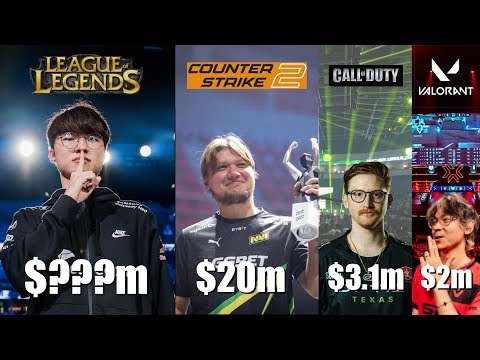
The global esports industry has exploded into a multi-billion-dollar phenomenon, and at the heart of that growth are the biggest esports leagues that bring together millions of viewers, elite professional players, and massive prize pools. Whether you are a casual fan looking to understand the competitive gaming landscape or a seasoned enthusiast searching for the most prestigious tournaments to follow, knowing which leagues dominate the scene is essential. From the League of Legends Championship Series to the Overwatch League, these competitions have redefined what it means to compete at the highest level in digital sports.
In this comprehensive guide, we will break down the largest and most influential esports leagues across the world, explore what makes them stand out, and provide practical insights for anyone looking to deepen their understanding of competitive gaming.
What Makes an Esports League “The Biggest”?
When people search for the biggest esports leagues, they are usually looking for a combination of factors that separate top-tier competitions from the rest. These factors include total viewership numbers, prize pool size, global brand recognition, media rights deals, and the longevity of the league itself. A single mega-tournament might attract millions of viewers for a weekend, but a true league operates over an entire season, building sustained narratives and fan communities.
Here are the key metrics that determine the scale of an esports league:
- Average concurrent viewership on platforms like Twitch, YouTube, and streaming partnerships
- Total annual prize pool across all competitive events
- Number of franchise teams and international regions represented
- Corporate sponsorship deals and media broadcast agreements
- Season length and the consistency of its competitive calendar
Understanding these metrics helps you evaluate which competitive gaming circuits carry the most weight and long-term investment.
The Biggest Esports Leagues by Game Title
Different games attract different audiences, and the competitive ecosystems surrounding them vary widely in structure and scale. Below is a detailed look at the most prominent league-based esports competitions across the biggest titles in the industry.

| League / Tournament | Game Title | Est. Prize Pool (Annual) | Regions |
| League of Legends Championship Series (LCS) & Worlds | League of Legends | $20M+ (Worlds alone) | North America, Europe, Korea, China, etc. |
| Overwatch League | Overwatch 2 | $20M+ (cumulative) | Global (franchise-based) |
| Dota Pro Circuit / The International | Dota 2 | $40M+ (TI alone) | Global (invitationals) |
| Call of Duty League | Call of Duty: MW III | $5M+ | North America, Europe, Asia-Pacific |
| Valorant Champions Tour (VCT) | Valorant | $5M+ (circuit) | Americas, EMEA, Pacific, CN |
| EVO (Fighting Game Championship) | Street Fighter, Tekken, etc. | $1M+ | Global (open tournament) |
| Fortnite Champion Series (FNCS) | Fortnite | $30M+ (annual) | Global |
| Counter-Strike Major Championships | Counter-Strike 2 | $1M+ (per Major) | Global (rotating) |
League of Legends: The Gold Standard of Esports Leagues
The League of Legends Championship Series is widely regarded as the gold standard for structured competitive gaming. Riot Games runs regional leagues — LCS in North America, LEC in Europe, LCK in Korea, and LPL in China — each culminating in an international mid-season invitational and the World Championship. Worlds regularly draws over 5 million peak concurrent viewers, making it one of the most-watched events in all of esports. The franchise-style revenue sharing model, combined with a massive annual prize pool and global media deals, solidifies LoL’s position at the top of the competitive gaming world.
Dota 2: The International’s Unmatched Prize Pools
When it comes to raw prize money, nothing in esports compares to The International for Dota 2. Valve’s crowdfunded tournament has awarded over $40 million in prize money in single editions, funded by Battle Pass purchases from the global Dota community. While Dota 2 does not have a traditional “league” format like the LCS, the Dota Pro Circuit served as a season-long circuit that determined invitees for TI. The International remains the single most lucrative event in competitive gaming history.
Valorant Champions Tour: Rapid Rise Among Young Leagues
Riot Games’ tactical shooter Valorant has built its esports ecosystem through the Valorant Champions Tour, which features regional leagues — VCT Americas, VCT EMEA, VCT Pacific, and VCT China — feeding into international events like Masters and Champions. The VCT has seen explosive growth since its 2021 launch, with consistent viewership increases and a rapidly expanding sponsorship landscape. For fans of tactical first-person shooters, this league circuit offers some of the most strategic and fast-paced competitive action available.
Overwatch League and Call of Duty League: Franchise Models
Both the Overwatch League and the Call of Duty League pioneered the city-based franchise model in esports, borrowing concepts from traditional sports leagues like the NBA or NFL. Teams pay significant entry fees, are tied to specific cities, and compete in a structured season with playoffs. While OWL underwent restructuring and transitioned to Overwatch 2, and Activision Blizzard faced broader corporate challenges, these franchises helped legitimize esports as a professional career path for players and created year-round engagement for fans.
How Are Esports Leagues Structured?
Most major esports leagues follow a format that blends regular-season play with playoff tournaments. Understanding this structure is crucial for fans who want to follow competitive gaming like a traditional sport.
The typical season cycle includes:
- Regular Season: Teams compete in a round-robin or split-based format to accumulate points and qualify for postseason play.
- Playoffs / Brackets: Top-performing teams enter elimination-style brackets, often featuring best-of-five series.
- Mid-Season Invitational: Some leagues hold secondary international events where regional winners compete for additional titles and prize money.
- World Championship: The pinnacle event where the best teams from every region battle for the ultimate title and the largest share of the prize pool.
Split-based formats, especially common in League of Legends and Valorant, divide the year into two or more seasons, giving teams multiple chances to qualify for international competition. This keeps fan engagement high throughout the year and creates more storylines to follow.
Expert Tips for Following the Biggest Esports Leagues
If you are new to competitive gaming or looking to deepen your fandom, here are practical recommendations from seasoned esports observers.
- Pick one league and one game first. Trying to follow every league simultaneously leads to burnout. Choose a title you genuinely enjoy — whether it is League of Legends, CS2, Valorant, or Dota 2 — and commit to its competitive season.
- Follow regional casters and analysts. Localized coverage often provides deeper strategic insights than international English broadcasts. For example, Korean LCK analysts break down macro play in ways that are unmatched.
- Watch VODs at 1.5x speed. For casual fans, watching replays at faster speeds helps you catch the key moments without losing engagement.
- Engage with community discourse. Reddit threads, Discord servers, and Twitter/X esports communities provide real-time reactions, memes, and breaking news that enhance your viewing experience.
- Understand the meta shifts. The strongest leagues evolve constantly. Staying informed about patch notes, balance changes, and meta transitions makes watching competitive play far more rewarding.
Comparison: Traditional Sports vs. Biggest Esports Leagues
One of the most common comparisons people make is between traditional sports leagues and their esports counterparts. While there are clear differences, the structural parallels are becoming increasingly strong.
| Factor | Traditional Sports (e.g., NBA) | Esports Leagues (e.g., LCS) |
| Season Length | ~82 games per team per year | ~30–40 games per split, 2 splits per year |
| Geographic Access | Local attendance + TV broadcast | Global digital streaming (Twitch, YouTube) |
| Barrier to Entry for Fans | Ticket prices, cable subscriptions | Free-to-watch on most platforms |
| Player Career Length | Often 10+ years | Typically 4–7 years (earlier peak age) |
| Revenue Model | Ticket sales, TV deals, merchandise | Sponsorships, media rights, digital revenue |
| Global Reach | Regional with international viewership | Inherently global from launch |
This comparison highlights why esports leagues are growing so rapidly — they offer a more accessible, globally connected, and digitally native fan experience.
The Future of Major Esports Leagues
The landscape of competitive gaming is constantly evolving. New titles like Valorant and Apex Legends are building robust league ecosystems from the ground up, while legacy titles like League of Legends and Counter-Strike continue to refine their competitive formats. The rise of mobile esports — particularly games like Free Fire and PUBG Mobile in Southeast Asia and Latin America — is creating entirely new leagues that serve massive audiences previously underserved by Western-centric competitive circuits.

Media rights deals are also becoming more sophisticated. Streaming platforms and traditional broadcasters are competing for exclusive esports broadcast rights, which means better production quality, more analyst coverage, and deeper storytelling for fans. As prize pools continue to grow and more legacy sports organizations invest in esports teams and league ownership, the line between traditional sports and competitive gaming will continue to blur.
Final Thoughts
The biggest esports leagues represent a new era of competitive entertainment that combines athletic skill, strategic depth, and global community engagement in ways that traditional sports simply cannot replicate. Whether you are drawn to the strategic complexity of League of Legends, the clutch moments of Counter-Strike 2, or the tactical gunplay of Valorant, there is a league out there that will match your interests. Start with one game, follow one season, and let the competitive journey pull you deeper into the world of esports.
FAQs About the Biggest Esports Leagues
What is the largest esports league in the world by viewership?
The League of Legends World Championship is widely considered the largest esports league event by viewership, regularly drawing over 5 million peak concurrent viewers on streaming platforms. Its combination of regional league structures and a globally broadcast world championship makes it the most-watched competitive gaming event year after year.
How do esports leagues make money if tickets are free online?
Esports leagues generate revenue primarily through corporate sponsorships, media rights deals, digital merchandise, and in-game content partnerships. Unlike traditional sports where ticket sales are a major revenue driver, esports leagues rely heavily on digital engagement, brand partnerships with companies like Red Bull, Mercedes-Benz, and Intel, and streaming platform subscriptions.
Which esports league has the highest total annual prize pool?
Dota 2’s The International holds the record for the highest single-event prize pool in esports history, having exceeded $40 million through crowdfunding. However, when looking at annual cumulative prize pools across all events, the Fortnite Champion Series and the broader League of Legends ecosystem often rank among the highest overall.
Can anyone join an esports league, or do you need to be scouted?
It depends on the league. Open tournament formats like EVO or many CS2 Majors allow anyone to register and qualify through open brackets. However, franchise-based leagues like the LCS, Overwatch League, and Call of Duty League require players to be signed by existing franchise organizations, which typically come through professional scouting, academy systems, or regional qualification tournaments.
What is the best esports league for beginner fans to follow?
The Valorant Champions Tour and the League of Legends Championship Series are often recommended for beginners because of their clear seasonal structures, accessible streaming on Twitch and YouTube, extensive English-language commentary, and strong community resources for new viewers. Both leagues offer free-to-watch broadcasts and have beginner-friendly explainer content that makes it easy to understand the action.