
When people search for “Amazon United States,” they’re often looking for far more than a simple company overview. They want to understand how the world’s largest online retailer operates across the U.S., what it means for consumers, small businesses, and the broader economy. Amazon has fundamentally reshaped how Americans shop, sell, and even think about commerce. From its humble beginnings as an online bookstore in Seattle to a trillion-dollar empire spanning cloud computing, streaming, grocery delivery, and artificial intelligence, Amazon’s influence on the United States is undeniable. Whether you’re a curious shopper, an aspiring seller, or a business owner exploring fulfillment options, this guide dives deep into everything you need to know about Amazon in the U.S. market today.
What Is Amazon in the United States?
Amazon.com, Inc. is an American multinational technology company headquartered in Seattle, Washington. Founded by Jeff Bezos in 1994, Amazon started as an online bookstore but quickly expanded into electronics, clothing, home goods, digital content, and virtually every product category imaginable. Today, Amazon is the largest e-commerce company in the United States, commanding a dominant share of online retail sales. The platform serves hundreds of millions of American customers and employs over 1.5 million people across the country, making it one of the largest private employers in the nation. When Americans think of online shopping, Amazon is almost always the first name that comes to mind.
Beyond retail, Amazon Web Services (AWS) powers a massive portion of the internet, from small business websites to government infrastructure. Prime Video, Amazon Music, Kindle, and Alexa further cement the company’s presence in American households. Understanding Amazon’s scope is essential for anyone looking to engage with it — whether as a buyer, seller, or competitor.
History and Growth of Amazon in the U.S.
Amazon’s journey from a garage startup to a retail titan is one of the most remarkable business stories of the modern era. Jeff Bezos launched the company in Bellevue, Washington, in July 1994, initially operating out of his garage. The original idea was simple yet powerful — leverage the internet to sell books directly to consumers, cutting out the middleman and offering unmatched selection.
Key Milestones in Amazon’s U.S. Expansion
- 1995: Amazon.com goes live, selling books to customers in all 50 states and over 45 countries.
- 1997: Amazon goes public on NASDAQ, raising capital to fuel rapid expansion.
- 1999: The platform expands beyond books into music, electronics, and toys.
- 2005: Amazon Prime launches, offering free two-day shipping and transforming customer expectations.
- 2007: The Kindle e-reader debuts, revolutionizing digital reading.
- 2014: Alexa and the Echo smart speaker enter the market, establishing Amazon in the smart home space.
- 2017: Amazon acquires Whole Foods Market, making a bold move into brick-and-mortar and grocery.
- 2020-2023: The pandemic-era e-commerce boom drives unprecedented growth, with U.S. sales exceeding $300 billion annually.

Each milestone reflects Amazon’s relentless focus on customer experience, logistics innovation, and long-term thinking. The company’s willingness to reinvest profits into infrastructure, technology, and new ventures has given it an almost unmatched competitive advantage.
Amazon’s Marketplace and Business Model in the US

Amazon operates on a multi-layered business model that combines direct retail sales, third-party marketplace commissions, subscription services, and cloud computing. In the United States, the marketplace model is a game-changer. Millions of independent sellers list their products on Amazon, reaching an enormous built-in customer base. Amazon handles storage, packaging, shipping, and customer service through programs like Fulfillment by Amazon (FBA), making it remarkably easy for small businesses to scale.
For consumers, the experience is streamlined. They browse, compare, read reviews, and purchase — often with one-click ordering and fast delivery. For sellers, Amazon provides access to sophisticated advertising tools, analytics, and a trusted payment infrastructure. The Flywheel model, as Amazon calls it, creates a self-reinforcing cycle: more customers attract more sellers, which increases selection, which draws even more customers.
Prime Membership and the Logistics Engine
Amazon Prime is the crown jewel of the company’s U.S. strategy. With over 160 million members in the United States, Prime offers benefits that go far beyond free shipping. Members enjoy Prime Video streaming, Prime Music, photo storage, exclusive deals, and grocery delivery through Amazon Fresh and Whole Foods. The membership fee creates a powerful lock-in effect — once customers are invested in the ecosystem, switching costs become significant.
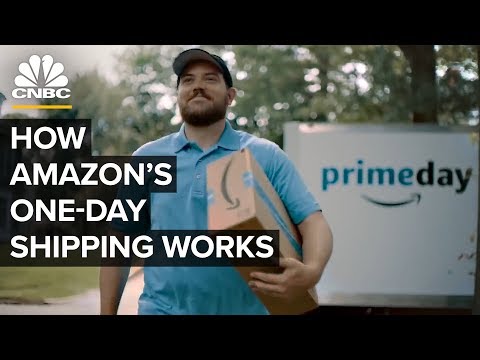
Amazon’s logistics network is the backbone of this entire operation. The company operates over 100 fulfillment centers across the U.S., along with sortation centers, delivery stations, and a growing fleet of Amazon-branded delivery vehicles. Same-day and next-day delivery have become standard expectations for Prime members, putting immense pressure on traditional retailers to keep up.
Best-Selling and High-Demand Categories on Amazon US
Understanding what sells best on Amazon in the United States can reveal valuable insights for shoppers, sellers, and investors alike. The platform’s top-performing categories consistently include:
- Electronics and Accessories: Smartphones, headphones, chargers, and smart home devices dominate sales.
- Books and Audiobooks: Amazon’s original category continues to thrive, especially through Kindle and Audible.
- Home and Kitchen: From cookware to smart appliances, this category sees enormous volume.
- Beauty and Personal Care: Skincare, cosmetics, and grooming products have surged in recent years.
- Clothing and Fashion: Both fast fashion and premium brands find success on the platform.
- Grocery and Household Essentials: Amazon Fresh and Subscribe & Save drive recurring purchases.
These categories represent not just what Americans buy, but how their shopping habits have evolved — toward convenience, speed, and digital-first experiences.
How to Sell on Amazon in the United States
If you’re considering selling on Amazon US, the process is more accessible than ever, but success requires strategy and dedication. Here’s a practical roadmap:
- Choose Your Selling Plan: Amazon offers an Individual plan ($0.99 per sale) for low-volume sellers and a Professional plan ($39.99/month) for those selling more than 40 items per month.
- Research Your Niche: Use tools like Amazon Best Sellers, Helium 10, or Jungle Scout to identify profitable product opportunities with manageable competition.
- Create a Seller Account: Register as a Professional Seller and provide your business documentation, tax information, and bank account details.
- Optimize Your Listings: Write compelling product titles, bullet points, and descriptions. Use high-quality images and relevant backend keywords for search visibility.
- Choose Fulfillment: Decide between Fulfillment by Amazon (FBA), where Amazon stores and ships your products, and Merchant Fulfilled (FBM), where you handle shipping directly.
- Leverage Advertising: Invest in Sponsored Products, Sponsored Brands, and Sponsored Display ads to increase visibility and drive sales.
- Manage Reviews and Ratings: Positive feedback is critical. Provide excellent customer service and encourage honest reviews through follow-up emails.
The key to long-term success on Amazon US is treating it as a real business, not a side hustle. Winners invest in product quality, brand building, and data-driven decision-making.
Amazon US vs. Other Major U.S. Retailers
To understand Amazon’s position, it helps to compare it directly with other major retail players in the United States.
| Retailer | Primary Strength | U.S. Annual Revenue (approx.) | Online Dominance |
| Amazon | E-commerce ecosystem, Prime, AWS | $350B+ | Highest |
| Walmart | Omnichannel retail, grocery | $610B+ | Growing rapidly |
| Target | Curated selection, same-day pickup | $100B+ | Strong |
| Costco | Membership model, bulk pricing | $240B+ | Moderate |
| eBay | Marketplace, collectibles, auctions | $10B+ | Niche |
While Walmart leads in total revenue, Amazon dominates in online sales and continues to close the gap in grocery and physical retail through Whole Foods and Amazon Fresh. The competition between Amazon and Walmart is particularly fierce, with both investing heavily in last-mile delivery, same-day shipping, and digital advertising.
Whether you’re a consumer or a seller, a few expert insights can make a significant difference:
- For shoppers: Use CamelCamelCamel or Keepa to track price history and buy at the right time. Subscribe to Amazon Outlet and Warehouse Deals for discounted items.
- For sellers: Focus on building a brand rather than just listing generic products. Private labeling and registered trademarks can protect your margins.
- For businesses: Explore Amazon Business for B2B purchasing. The platform offers bulk pricing, tax-exempt purchases, and corporate accounts.
- Stay informed: Amazon frequently updates its algorithms, policies, and advertising tools. Following official seller forums and trusted industry blogs keeps you ahead of changes.
Conclusion
Amazon in the United States is far more than an online store — it’s a logistics powerhouse, a technology platform, a content creator, and a cultural institution. Its impact touches nearly every aspect of American life, from the way we shop and consume media to how small businesses reach customers and how cloud computing powers the digital economy. For consumers, Amazon offers unparalleled convenience and selection. For sellers, it provides a massive marketplace with powerful tools. For the economy, it’s a job creator and an innovation driver. Understanding how Amazon operates in the U.S. is no longer optional — it’s essential for anyone who wants to thrive in modern commerce.
Frequently Asked Questions
1. How do I create an Amazon seller account in the United States?
To create an Amazon seller account, visit sellercentral.amazon.com, click “Register,” and follow the prompts. You’ll need a valid government ID, bank account information, tax identification (such as a Social Security Number or EIN), and a credit card. The Professional selling plan is recommended for most new sellers. Amazon typically reviews your application within 48 hours, and you can start listing products once approved.
2. What are the fees for selling on Amazon US?
Amazon charges a referral fee on each sale, which varies by category — typically ranging from 6% to 15% of the item price. If you use Fulfillment by Amazon (FBA), additional fees apply for storage, picking, packing, and shipping. The Professional plan costs $39.99 per month, while the Individual plan charges $0.99 per unit sold. Advertising costs through Sponsored Products are pay-per-click and vary based on competition.
3. How long does it take for Amazon to deliver products in the United States?
For Prime members, standard delivery is typically one to two days, with same-day and next-day options available in many metropolitan areas. For non-Prime members, standard shipping usually takes 3 to 5 business days. Amazon’s extensive fulfillment network and regional warehouses make fast delivery possible across all 50 states, including rural areas in many cases.
4. Can international sellers sell on Amazon in the United States?
Yes, international sellers can list and sell on Amazon.com. Amazon has expanded its Seller Central platform to support global merchants. However, international sellers must comply with U.S. tax laws, including collecting sales tax in states where they have nexus, and may need to work with a U.S.-based tax representative or use Amazon’s tax calculation services.
5. Is it safe to buy from Amazon in the United States?
Yes, buying from Amazon is generally very safe. Amazon offers A-to-Z Guarantee protection for purchases, secure payment processing, and a robust return policy. However, buyers should be cautious of third-party sellers with low ratings or suspiciously low prices. Always check seller reviews, return policies, and product authenticity before purchasing, especially for high-value items.