Buying a bicycle can be one of the most rewarding investments you make for your health, daily commute, or weekend adventures. Yet, the sheer variety of options available today — from lightweight carbon road bikes to rugged mountain machines — can overwhelm even the most enthusiastic rider. This comprehensive bicycle buying guide walks you through every critical factor you need to consider before spending your hard-earned money. Whether you are a complete beginner looking for your first ride or a seasoned cyclist upgrading to a premium frame, this guide covers everything from bike types and sizing to component evaluation and budget planning. By the end, you will have the confidence and knowledge to choose the perfect bicycle tailored to your specific needs, riding style, and lifestyle.
Understanding the Different Types of Bicycles
The foundation of any smart bicycle purchase starts with identifying the right category. Each bike type is engineered with a specific purpose in mind, and choosing incorrectly can lead to discomfort, poor performance, or wasted money. Let us break down the most popular categories you will encounter in any bicycle buying guide.
- Road Bikes: Designed for speed and efficiency on paved surfaces. They feature lightweight frames, drop handlebars, and thin, high-pressure tires. Ideal for fitness riding, long-distance touring, and competitive cycling.
- Mountain Bikes (MTB): Built for off-road terrain with wide knobby tires, suspension systems, and sturdy frames. Subcategories include cross-country (XC), trail, all-mountain, and downhill.
- Hybrid Bikes: A versatile blend of road and mountain characteristics. They offer a comfortable upright riding position, making them perfect for casual commuting and recreational riding.
- City / Commuter Bikes: Designed for urban environments with features like fenders, racks, lights, and puncture-resistant tires for daily practicality.
- Electric Bikes (E-Bikes): Equipped with a battery-powered motor that assists pedaling. Growing rapidly in popularity for commuting, cargo transport, and riders who want extra help on hills.
- Fat Bikes: Feature oversized tires (3.8 inches or wider) designed for snow, sand, and loose terrain where standard tires would struggle.

Your primary riding environment and goals should dictate which category fits you best. A rider who lives in a hilly city and wants to commute comfortably should lean toward a hybrid or e-bike, while someone training for a century ride will gravitate toward a dedicated road bike.
How to Choose the Right Bike Size
Frame size is arguably the single most important factor in a comfortable and efficient ride. A bike that is too large or too small can cause pain, reduce control, and even lead to injury. No bicycle buying guide is complete without a thorough sizing discussion.
Measuring Your Inseam and Frame Size
Start by measuring your inseam — the distance from your crotch to the floor while wearing shoes. This measurement, combined with your overall height, determines your ideal frame size. Most manufacturers provide size charts specific to their models, so always consult those rather than relying on generic height ranges.
- Stand against a wall and place a book between your legs, simulating the saddle.
- Measure from the top of the book to the floor in centimeters or inches.
- Multiply your inseam by 0.665 for road bikes or 0.633 for mountain bikes to estimate your frame size.
- Visit a local bike shop for a professional fit if possible — this small step can dramatically improve your riding experience.
Keep in mind that frame geometry varies between brands. Two bikes labeled “medium” from different manufacturers may fit differently. Standover height, reach, and stack all play a role in how a bike feels when you are on it.
Key Components to Evaluate Before Buying
Beyond the frame, a bicycle is an assembly of many components that affect performance, durability, and maintenance. Understanding these parts will help you evaluate value and avoid overpaying for features you do not need.
Drivetrain and Gearing
The drivetrain — consisting of the chain, cassette, crankset, and shifters — determines how easily you can tackle hills and maintain speed. Popular groupset brands include Shimano (from Claris at the entry level to Dura-Ace at the top), SRAM, and Campagnolo. For most riders, a mid-range groupset like Shimano Tiagra or 105 offers an excellent balance of performance and durability without breaking the bank.
Brakes
Disc brakes have become the standard across nearly all bike categories. They provide superior stopping power in wet conditions and require less hand force compared to traditional rim brakes. Mechanical disc brakes are affordable and easy to maintain, while hydraulic disc brakes offer modulated, powerful stopping with minimal lever effort.
Wheels and Tires

Wheelsets and tires influence rolling resistance, comfort, and grip. Wider tires (28mm or more for road bikes) provide better comfort and puncture protection. For mountain biking, tire width, tread pattern, and tubeless compatibility are critical considerations.
Bicycle Buying Guide: Budget Considerations
Setting a realistic budget before you shop prevents decision fatigue and keeps your expectations aligned with what you can afford. Bicycle prices span a massive range, from a few hundred dollars to several thousand.
| Budget Range | What You Get | Best For |
| $300 – $600 | Entry-level aluminum frame, basic components, mechanical brakes | Casual riders, children, short-distance commuting |
| $600 – $1,200 | Mid-range components, better drivetrain, disc brakes on some models | Regular commuters, beginner fitness riders |
| $1,200 – $2,500 | Quality components (Shimano 105/ SRAM Rival), lightweight frames, hydraulic brakes | Enthusiast riders, weekend athletes, daily commuters |
| $2,500 – $5,000 | Premium groupsets, carbon fiber or high-end aluminum, advanced geometry | Serious cyclists, sportive riders, competitive amateurs |
| $5,000+ | Top-tier components, carbon frames, electronic shifting, custom builds | Professional cyclists, dedicated enthusiasts |
Remember that the frame is the most important part of the bike. Investing in a quality frame within your budget often matters more than having the highest-end groupset on a mediocre frame. A well-built entry-level bike with a good frame will outperform a cheap bike with premium components every time.
Best Bikes for Different Skill Levels
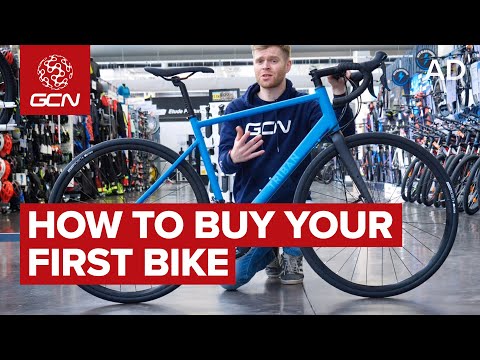
Your experience level should influence both the type of bike you choose and the features you prioritize.
- Beginners: Focus on comfort, reliability, and ease of maintenance. Hybrid bikes and entry-level hardtail mountain bikes are excellent starting points. Avoid overly aggressive geometries or extreme lightweight builds, as they can be difficult to handle.
- Intermediate Riders: You are ready to refine your preferences. Consider a dedicated road bike, a trail hardtail mountain bike, or a gravel bike if you enjoy mixed-surface riding. Upgrading components like tires and saddle can make a noticeable difference.
- Advanced Cyclists: At this level, fit becomes paramount. Invest in a professional bike fitting session and consider custom or semi-custom frame options. Component upgrades like electronic shifting, carbon wheels, and suspension forks can elevate your performance significantly.
Expert Tips for First-Time Buyers
Even with thorough research, first-time bike buyers can fall into common traps. Here are expert recommendations that will save you time, money, and frustration.
- Test ride before you buy. No amount of online research replaces the feeling of riding a bike in person. Visit local shops and try several models in your size.
- Do not skip the accessories. A helmet, lock, lights, and a quality pump are non-negotiable safety essentials.
- Consider total cost of ownership. Factor in maintenance, replacement parts, and potential upgrades when setting your budget.
- Buy from reputable dealers. Authorized bike shops offer warranty support, professional assembly, and post-purchase service that online-only retailers often cannot match.
- Prioritize fit over aesthetics. A beautiful bike that does not fit your body will lead to discomfort and may cause long-term injury. Sizing and professional fitting should always come before color or brand preference.
Conclusion
Choosing the right bicycle is a personal decision that depends on your riding goals, body dimensions, budget, and preferred terrain. This bicycle buying guide has covered the essential categories, sizing principles, component evaluations, budget ranges, and expert tips to help you make a confident and informed purchase. Take your time, do your research, and never underestimate the value of a proper test ride. The right bike will not only improve your riding experience — it will transform the way you move through the world.
Frequently Asked Questions
What is the best bicycle for a beginner commuter?
A hybrid bike or an entry-level city bike with an upright riding position, puncture-resistant tires, and mechanical disc brakes is the ideal choice for new commuters. These bikes offer comfort, reliability, and practicality without the complexity or cost of higher-end models. Brands like Trek, Giant, Specialized, and Cannondale offer excellent entry-level commuter options in the $500 to $1,000 range.
How often should I replace my bicycle?
A well-maintained bicycle can last 20 years or more, but individual components wear at different rates. Tires typically need replacement every 2,000 to 4,000 miles, brake pads every 500 to 1,000 miles, and chains every 2,000 miles. The frame and fork are the longest-lasting components, and unless they are damaged or you outgrow them, there is no fixed replacement schedule.
Should I buy a bike online or from a local shop?
Buying from a local bike shop gives you access to professional assembly, test rides, fitting services, and ongoing maintenance support. Online purchases often come with lower prices and wider selection but require you to handle assembly, shipping damage, and returns yourself. For beginners, a local shop is almost always the better choice. Experienced riders with specific needs may find better value online from reputable retailers.
Is a $1,000 bicycle worth the investment?
Absolutely. A bicycle in the $1,000 range typically features a quality aluminum frame, a reliable mid-tier drivetrain such as Shimano Tiagra or SRAM Apex, hydraulic disc brakes, and comfortable geometry. At this price point, you get excellent performance, durability, and ride quality that will serve daily commuters and recreational riders for years without any need to upgrade immediately.
Do I need a professional bike fitting?
While not strictly necessary for casual riders, a professional bike fit is highly recommended for anyone who rides regularly or experiences discomfort. A proper fit adjusts saddle height, handlebar reach, cleat position, and stem length to match your biomechanics. This prevents knee pain, back strain, and numbness while improving power output and overall efficiency. Even a basic fitting session can transform your riding experience.
What is the difference between hardtail and full-suspension mountain bikes?
A hardtail mountain bike has suspension only on the front fork, making it lighter, more efficient, and less expensive to maintain. A full-suspension mountain bike adds a rear shock absorber, providing better traction, comfort, and control on rough terrain at the cost of added weight and higher price. For most trail riders, a hardtail is the best starting point, while aggressive downhill or enduro riders benefit most from full suspension.