


For decades, the beauty industry has been dominated by a handful of towering conglomerates that control everything from product development to shelf placement. But over the past decade, something remarkable has been shifting. Independent beauty brands are emerging from every corner of the globe, challenging legacy giants and reshaping consumer expectations in profound ways. Beauty brands independence is no longer just a buzzword—it represents a fundamental transformation in how cosmetics, skincare, and personal care products are created, marketed, and sold. Whether you are a beauty enthusiast searching for cleaner formulations, a conscious shopper who wants to understand where your money goes, or an aspiring entrepreneur looking to break into the market, understanding the rise of independent cosmetic brands is essential. This deep dive explores what makes indie beauty labels so compelling, how they differ from mainstream players, and why their independence matters more than ever in today’s evolving marketplace.
What Does Beauty Brands Independence Really Mean?
At its core, beauty brands independence refers to companies that operate without the financial backing or ownership of large multinational corporations. These are self-funded beauty startups and indie beauty labels that retain full creative control, ethical decision-making power, and profit autonomy. Unlike mass-market beauty giants backed by private equity or publicly traded parent companies, independent beauty brands make decisions based on their founder’s vision, customer feedback, and genuine passion for the craft rather than shareholder pressure.
The definition of an independent beauty brand goes beyond just ownership structure. It encompasses a philosophy. It means prioritizing ingredient transparency over marketing budgets, investing in sustainable packaging instead of excessive advertising campaigns, and building authentic relationships with consumers rather than relying on celebrity endorsements. Independently owned makeup brands and self-funded skincare startups often source ingredients locally, partner with ethical manufacturers, and cultivate communities around shared values like cruelty-free testing, vegan formulations, and environmental responsibility.
Why Beauty Brands Independence Matters in Today’s Market
The significance of independent cosmetics companies extends far beyond niche aesthetics or Instagram-worthy packaging. Their independence allows them to innovate faster, respond to consumer needs more nimbly, and take creative risks that conglomerates often cannot justify. Here is why this independence carries real weight in the modern beauty landscape.
Innovation and Agility
Large beauty corporations typically operate on rigid annual planning cycles. Independent brands, by contrast, can pivot within weeks. When consumers demanded CBD-infused serums, indie beauty labels were already on shelves. When the clean beauty movement exploded, autonomous beauty companies moved faster than any legacy brand to reformulate and relabel. This agility is one of the most significant advantages of operating outside the corporate structure.
Consumer Trust and Transparency
Modern buyers are increasingly skeptical of greenwashing and misleading claims. Independent brands often build trust through radical honesty about their sourcing, manufacturing processes, and pricing breakdowns. Transparency-driven beauty companies publish full ingredient lists, share supplier partnerships, and openly discuss the challenges of running a small business. This level of openness fosters loyalty that traditional marketing budgets cannot replicate.
Diversity and Representation
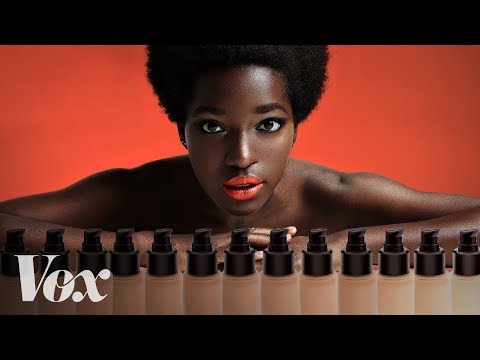
Independent beauty brands have been instrumental in expanding representation across shade ranges, gender-neutral product lines, and culturally inclusive marketing. Because founders often create products for themselves and their communities, independent beauty startups are more likely to address underserved needs in the market that larger corporations overlook or underinvest in.
How Independent Beauty Brands Are Reshaping the Industry
The impact of non-mass-market beauty companies on the broader industry cannot be overstated. From direct-to-consumer digital models to community-first marketing strategies, indie labels have rewritten the playbook for how beauty products reach consumers.
- Direct-to-Consumer (DTC) Dominance: Most independent beauty brands launched online first, bypassing traditional retail gatekeepers entirely. This DTC approach allows them to retain higher margins, collect first-party consumer data, and build personalized shopping experiences.
- Social Media as a Launchpad: Platforms like TikTok and Instagram have democratized brand building. An indie skincare company with a passionate founder and authentic content can achieve viral reach without spending millions on traditional advertising.
- Subscription and Community Models: Many independent brands leverage membership programs, curated boxes, and engaged online communities to generate predictable revenue and foster brand loyalty organically.
- Sustainability by Design: Rather than treating eco-friendly packaging as an afterthought, independently owned makeup brands often build sustainability into their core business model from day one.
Independent Beauty Brands vs. Major Beauty Corporations

Understanding the differences between independent beauty companies and their corporate counterparts helps consumers make informed purchasing decisions. The table below highlights key distinctions that define the landscape of beauty brands independence.
| Factor | Independent Beauty Brands | Major Beauty Corporations |
| Ownership | Founder-owned or privately held | Subsidiaries of large conglomerates or publicly traded |
| Creative Control | Full autonomy over formulations and branding | Governed by corporate oversight and brand portfolio strategies |
| Innovation Speed | Rapid iteration based on direct consumer feedback | Slower due to bureaucratic approval processes and scale constraints |
| Marketing Approach | Authentic storytelling, influencer partnerships, community-driven | High-budget campaigns, celebrity endorsements, mass media buys |
| Price Point | Often premium but value-driven with transparent pricing | Wide range, but markup is often inflated by corporate overhead |
| Ethical Standards | Typically built around personal values and founder mission | Varies widely; some divisions lead, others lag behind |
| Distribution | Primarily online DTC, select boutiques, and specialty retailers | Global retail networks, department stores, and mass-market channels |
| Scalability | Limited but highly focused market penetration | Massive scale with presence in virtually every market worldwide |
This comparison reveals that beauty brands independence is not about competing on scale—it is about competing on authenticity, quality, and values. Independent brands thrive precisely because they do not need to appeal to every consumer on the planet.
Key Characteristics That Define a Truly Independent Beauty Brand
Not every brand that markets itself as “indie” genuinely operates independently. Here are the defining traits you should look for when identifying autonomous beauty companies that are truly self-governing.
- No corporate parent company ownership: The brand is not a subsidiary, division, or licensed line of a larger entity.
- Founder-led decision-making: The original creator or founding team retains significant control over product direction and company strategy.
- Transparent supply chain: Independent brands openly share where and how their products are manufactured and sourced.
- Profit reinvestment into the brand: Revenue goes directly back into formulation R&D, packaging innovation, and community building rather than corporate dividends.
- Distinct brand identity: Indie brands tend to have a clear, uncompromised vision that sets them apart from mass-market offerings.
- Responsive customer engagement: Founders of independent skincare brands are often personally active in customer conversations, social media, and feedback loops.

Practical Tips for Finding and Supporting Independent Beauty Brands
If you want to actively support beauty brands independence and discover exceptional indie labels, here are actionable steps you can take right now.
- Explore curated indie marketplaces: Platforms dedicated exclusively to independent beauty products make discovery effortless. Sites that vet and verify indie status help consumers find authentic independent cosmetic brands quickly.
- Follow founders directly: Social media accounts of brand founders often provide unfiltered insights into the creative process, ingredient sourcing, and behind-the-scenes operations.
- Read ingredient labels and brand stories: Truly independent brands invest in storytelling. Their websites typically feature detailed “About” pages, founder interviews, and transparency reports that mass-market brands rarely provide.
- Attend local and virtual beauty pop-ups: Indie brands often showcase at smaller events where you can test products, ask questions directly to the creators, and discover emerging labels before they go mainstream.
- Join beauty communities and forums: Dedicated online communities for independent beauty enthusiasts share recommendations, reviews, and early alerts about new indie beauty labels launching.
The Future of Independent Beauty: What Comes Next?
The trajectory of beauty brands independence points toward an even more decentralized, inclusive, and innovative future. As consumers continue to demand accountability, authenticity, and ethical practices, independent brands are uniquely positioned to lead this evolution. Advances in direct-to-consumer technology, AI-powered personalization, and sustainable packaging innovation will further empower independently owned makeup brands to compete with— and even surpass— their larger counterparts on both quality and values.
However, challenges remain. Independent brands must navigate supply chain disruptions, rising raw material costs, and the difficulty of scaling without compromising their independence or core mission. The brands that will thrive are those that stay true to their founding principles while embracing smart business strategies that allow sustainable growth.
Frequently Asked Questions
What qualifies a beauty brand as truly independent?
A beauty brand qualifies as truly independent when it has no corporate parent company, is founder-owned or privately held, and maintains full creative and operational control without external shareholders dictating product decisions or brand direction. The brand’s values, formulations, and business model should reflect its founders’ authentic vision rather than corporate mandates.
Are independent beauty brands more expensive than mainstream brands?
Not necessarily. While many independent brands position themselves in the premium price range due to high-quality ingredients and small-batch production, there are also affordable indie options. The key difference is that independent brands are typically more transparent about what you are paying for, breaking down costs for ingredients, packaging, and labor rather than absorbing markup through opaque corporate pricing structures.
How can I verify that a brand is genuinely independent and not a corporate subsidiary?
You can verify a brand’s independence by researching its ownership structure on the company’s website, checking business registries, reading in-depth founder interviews, and using resources from beauty industry publications that track acquisitions and corporate ownership. Red flags include vague “About” pages, lack of founder transparency, and sudden product line expansions that seem disconnected from the brand’s original mission.
What are the biggest advantages of buying from independent cosmetic companies?
The biggest advantages include access to innovative and niche formulations that larger corporations may overlook, greater ingredient transparency and ethical sourcing, direct relationships with brand founders, support for small businesses and local economies, and the assurance that your purchase aligns with a specific set of values rather than a generic corporate portfolio.
Will the rise of independent beauty brands eventually disrupt major beauty corporations?
Independent brands have already disrupted the industry significantly, forcing major corporations to acquire successful indie labels, reformulate products with cleaner ingredients, and adopt more transparent marketing practices. While full disruption of established corporations is unlikely in the near term, the growing influence of independent beauty startups is permanently raising industry standards and consumer expectations across the board.
Conclusion
Beauty brands independence represents far more than a trend—it is a paradigm shift in how the beauty industry operates, innovates, and connects with consumers. From independent skincare brands championing clean formulations to autonomous beauty companies redefining sustainability and representation, indie labels are proving that you do not need a massive corporate budget to create exceptional products and build loyal communities. As consumers become more discerning and values-driven, the power of independent beauty brands will only continue to grow. Supporting these brands is not just a purchasing decision—it is an investment in a more diverse, transparent, and creative beauty industry for everyone.