


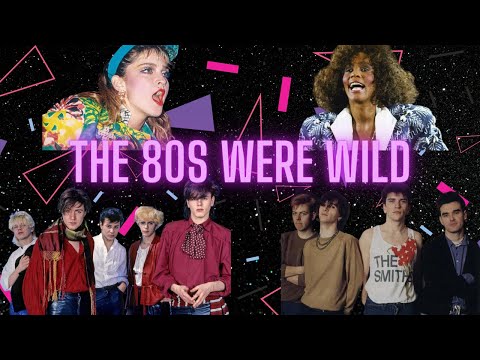
When you think about 1980 trends fashion, what comes to mind first? For most people, it is a whirlwind of shoulder pads, electric neon colors, ripped fishnet stockings, and big hair that defied gravity. The 1980s were a decade of bold self-expression, excess, and experimentation in clothing like no era before or since. From the punk-influenced street styles of early in the decade to the sleek power suits of the late 1980s, every subculture had its own distinctive look. Understanding the 1980s fashion movement is essential not just for vintage enthusiasts but for anyone interested in how pop culture shapes what we wear today. This deep dive explores the most iconic 1980s fashion trends, breaks down the differences between early and late 1980s style, and gives you practical tips for incorporating retro 80s aesthetics into your modern wardrobe.
Why 1980s Fashion Trends Still Matter Today
The influence of 1980s fashion trends extends far beyond costume parties and throwback playlists. Today’s designers regularly draw inspiration from 80s clothing styles, and vintage shops report steady demand for authentic pieces from this era. The decade gave us foundational aesthetics that still define streetwear, high fashion, and everyday dressing. Whether you are a fashion student studying retro aesthetics or someone looking for 80s outfit ideas for a themed event, understanding the cultural context behind the trends makes all the difference.
The 1980s was shaped by MTV, blockbuster movies, fitness culture, and the rise of designer brands. Fashion became louder, more colorful, and more deliberately styled than ever before. The decade bridged the gap between casual and formal wear in ways that feel fresh and relevant even decades later.
Top 1980s Fashion Trends That Defined the Decade
1. Power Dressing and Exaggerated Silhouettes
Power dressing became synonymous with 1980s professional fashion. Women entering corporate roles adopted structured blazers with oversized shoulder pads, cinched waists, and wide-leg trousers to project authority. The silhouette was intentionally exaggerated — broad shoulders, nipped waists, and long skirts created an imposing, confident look. Designers like Giorgio Armani and Claude Montana championed this aesthetic, making padded shoulders a staple of every wardrobe.
Men’s power dressing was equally dramatic. Double-breasted suits, wide lapels, and padded chests were standard fare in boardrooms across America and Europe. The look communicated success, ambition, and status in a decade defined by Wall Street excess.
2. Neon Colors and Bold Prints
If there is one word that captures 80s fashion at its most exuberant, it is “neon.” Electric pink, lime green, acid yellow, and vivid turquoise dominated everything from leotards to rain jackets. Bold geometric prints, abstract patterns, and high-contrast color blocking were everywhere. The fitness craze of the decade, led by icons like Jane Fonda, pushed bright-colored aerobics wear into mainstream fashion.

- Neon leg warmers and headbands
- Highlighter-colored tracksuits
- Contrasting color-blocked outfits
- Fluorescent accessories as statement pieces
3. Punk, New Wave, and Street Style
The punk and new wave movements kept the 1980s fashion landscape gritty and rebellious. Leather jackets, band tees, ripped denim, safety pins, and heavy boots defined the anti-establishment look. Bands like The Clash, Dead Kennedys, and Siouxsie and the Banshees turned clothing into political statements. Meanwhile, new wave fashion embraced asymmetrical haircuts, synthetic fabrics, and playful accessories that were more playful than aggressive.
4. Denim Everything
Denim became the universal fabric of the 1980s. Acid-wash jeans, denim jackets, denim skirts, and even denim-on-denim double denim outfits were staples across all demographics. Designer denim labels like Calvin Klein and Jordache elevated the fabric from workwear to high fashion. Ripped and distressed denim also emerged during this period, signaling an edgy, countercultural attitude.
5. Aerobics and Fitness Fashion
The fitness boom of the 1980s brought leotards, leggings, unitards, headbands, and high-cut swimsuit-style tops into everyday wardrobes. Jane Fonda and Olivia Newton-John made athletic wear fashionable outside the gym. Spandex, velour, and terry cloth became synonymous with the active lifestyle, and fitness fashion remains a direct ancestor of today’s athleisure movement.
Early 80s vs. Late 80s Fashion: A Comparison
The 1980s decade evolved dramatically in its fashion choices. Early 80s style was more eclectic and subculture-driven, while late 80s fashion leaned into polished, branded, and status-conscious aesthetics.
| Category | Early 1980s | Late 1980s |
| Silhouette | Looser, punk-inspired, layered | Structured, tailored, power-driven |
| Colors | Neon, pastel, mixed prints | Solid bold tones, black and white dominance |
| Fabrics | Velvet, leather, corduroy, polyester | Silk, designer denim, spandex |
| Accessories | Chokers, safety pins, fingerless gloves | Oversized earrings, luxury watches, belts |
| Influence | Music subcultures, street art | MTV, luxury brands, celebrity culture |
Iconic 1980s Fashion Icons and Their Influence
No discussion of 80s style inspiration is complete without mentioning the people who shaped the trends. Madonna popularized lace gloves, layered jewelry, fishnet tops, and the bustier as outerwear. Michael Jackson’s red leather jacket from the “Thriller” video became one of the most replicated pieces in fashion history. Princess Diana brought preppy sophistication to royal dressing, influencing women’s fashion worldwide. And Grace Jones pushed gender-fluid fashion boundaries with sharp, architectural silhouettes that challenged every convention.
MTV played a massive role in accelerating fashion adoption. When audiences saw their favorite musicians wearing specific styles on television, those trends spread overnight. Hair metal bands introduced teased, voluminous hair and tight metallic outfits. Hip-hop artists on the rise brought tracksuits, gold chains, and sneakers into urban fashion. Each subculture contributed something unique to the rich tapestry of 1980s fashion.
How to Incorporate 1980s Fashion Trends Into Your Modern Wardrobe
You do not need a time machine to wear 80s-inspired looks. Here are practical expert tips for styling retro 80s aesthetics today:
- Start with one statement piece. A pair of high-waisted acid-wash jeans or a cropped denim jacket instantly signals retro inspiration without overwhelming your look.
- Use accessories strategically. Scrunchies, oversized sunglasses, layered chain necklaces, and chunky belts are easy ways to nod to the decade.
- Embrace color blocking. Pair a bright pink top with a contrasting turquoise skirt to capture the neon energy of early 80s fashion.
- Layer intentionally. Wear a cropped cardigan over a leotard, add a denim jacket on top, and finish with a scarf for that effortless 80s layered look.
- Choose structured pieces. A blazer with exaggerated shoulders gives you the power dressing feel without looking costumey.
- Mix eras thoughtfully. Pair 80s-inspired pieces with modern basics so the outfit feels fresh rather than costume-y.
The key to making 80s trends work today is restraint. Choose one or two elements from the decade and build around them. The goal is to reference the era, not recreate it entirely.
Common Mistakes When Styling 1980s Fashion
Many people make the mistake of going overboard when attempting retro 80s looks. Piling on every trend at once — neon everything, shoulder pads, leg warmers, and scrunchies — can create a costume-like effect rather than a stylish outfit. Another common error is ignoring fit. Authentic 1980s fashion relied on intentional silhouettes, so modern interpretations should be tailored or deliberately oversized rather than sloppy. Finally, avoid treating vintage pieces as purely nostalgic items; integrate them into contemporary outfits for a look that feels current and intentional.
FAQs About 1980s Fashion Trends
What were the most popular 1980s fashion trends for women?
The most popular 1980s fashion trends for women included shoulder-padded blazers, high-waisted jeans, off-the-shoulder tops, leggings worn as pants, oversized costume jewelry, and aerobics-inspired leotards. Madonna and Princess Diana were major style influencers during this period.
How did men’s fashion change during the 1980s?
Men’s 1980s fashion moved from the relaxed styles of the 1970s to sharp, tailored looks featuring double-breasted suits, polo shirts with popped collars, Members Only jackets, acid-wash jeans, and high-top sneakers. The fitness boom also popularized fitted tank tops and track shorts.
What fabrics and materials defined 80s clothing?
Polyester, spandex, velour, leather, acid-washed denim, corduroy, and neon-colored synthetics were the defining fabrics of the decade. These materials reflected the era’s obsession with futuristic aesthetics and ease of movement, especially in fitness and dance wear.
Where can I find authentic 1980s vintage clothing today?
Thrift stores, vintage boutiques, and online platforms like Depop, Poshmark, and Etsy are excellent sources for authentic 1980s pieces. Look for specific labels such as Jordache, Members Only, and Calvin Klein to identify genuine era pieces with provenance.
Why is 1980s fashion making a comeback in modern style?
1980s fashion is experiencing a resurgence because its emphasis on bold self-expression, color, and individuality aligns perfectly with current fashion values. Designers from brands like Balenciaga and Versace regularly reference 80s silhouettes, and the athleisure trend owes much to the decade’s fitness fashion revolution.
Conclusion
The 1980s remains one of the most influential and visually exciting decades in fashion history. From power suits and shoulder pads to neon aerobics gear and punk leather jackets, the era offered something for every personality and subculture. The trends that emerged from 1980s pop culture, music, and media continue to inspire contemporary designers and everyday dressers alike. Whether you are curating a full retro look or simply adding a few 80s-inspired pieces to your rotation, understanding the context and evolution of the decade’s style gives you an edge in styling with confidence and authenticity. The key takeaway is this: 1980s fashion was never about subtlety, and neither should your modern interpretation be.