In today’s oversaturated marketplace, making informed purchasing decisions has never been more critical — or more difficult. With thousands of products competing for your attention across every category imaginable, how do you separate genuine quality from clever marketing? This is exactly where consumer reports step in, serving as one of the most trusted resources for unbiased product evaluations, performance data, and reliability insights. Whether you’re buying a new refrigerator, shopping for car insurance, or comparing smartphone models, consumer reports give you the clarity needed to choose confidently. In this comprehensive guide, we’ll explore everything you need to know about consumer reports — from how they’re created and who publishes them, to how you can leverage them for smarter buying in 2024 and beyond.
What Are Consumer Reports?
A consumer report is a detailed evaluation or summary of a product, service, or brand that is based on systematic testing, research, and analysis. Unlike casual online reviews written by individual shoppers, consumer reports are typically produced by organizations dedicated to consumer advocacy and protection. These organizations conduct rigorous testing under controlled conditions, gather data from real-world usage, and compile findings into actionable reports that help buyers make better choices.
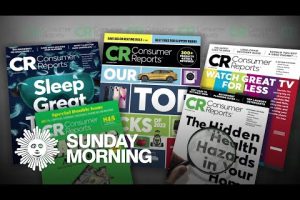
The most well-known entity in this space is Consumer Reports magazine (now Consumer Reports Online), published by Consumers Union, a nonprofit organization founded in 1936. Their mission has always been straightforward: test products independently, report findings honestly, and advocate for consumer rights. Other notable sources include government agencies like the Federal Trade Commission (FTC), the National Highway Traffic Safety Administration (NHTSA), and various international consumer protection bodies that publish safety and performance data.
How Consumer Reports Work and Who Publishes Them
The Role of Consumer Advocacy Organizations
Consumer advocacy organizations play a pivotal role in bridging the information gap between manufacturers and buyers. These entities operate independently of commercial interests, meaning they have no financial incentive to endorse or promote specific brands. Their funding typically comes from membership subscriptions, donations, and grants, which allows them to maintain editorial independence.
When an organization like Consumer Reports decides to evaluate a product, the process usually involves several critical steps:
- Product Selection: Choosing items that are most relevant and widely purchased by consumers.
- Benchmark Testing: Testing products against defined performance standards using specialized equipment and protocols.
- Longevity and Reliability Tracking: Monitoring products over extended periods to assess long-term durability.
- Owner Surveys: Collecting satisfaction and complaint data from real users through large-scale surveys.
- Compilation and Publishing: Aggregating all findings into a comprehensive report with ratings, scores, and recommendations.
Government Agencies and Regulatory Bodies
Beyond nonprofit organizations, government agencies also produce consumer-oriented reports. The Consumer Financial Protection Bureau (CFPB), for example, publishes reports on financial products like credit cards, mortgages, and bank accounts. Similarly, the National Highway Traffic Safety Administration releases vehicle safety reports, recall notices, and crash test ratings that are essential for car buyers.
Why Consumer Reports Matter for Buyers and Businesses
The significance of consumer reports extends well beyond personal shopping decisions. For individual buyers, these reports reduce the risk of purchasing defective or underperforming products. For businesses, they serve as a benchmark for quality assurance and competitive positioning. Here’s a closer look at why they matter so much:
- Risk Reduction: Consumer reports help buyers avoid products with known defects, safety issues, or poor reliability track records.
- Cost Savings: By identifying the most durable and efficient products, reports help consumers avoid costly replacements or repairs.
- Transparency: They bring hidden performance issues to light that manufacturers might not voluntarily disclose.
- Market Accountability: When consumer reports highlight problems, brands are incentivized to improve product quality and customer service.
- Legal and Regulatory Influence: Report findings often inform policy changes, product recalls, and new safety regulations.
Key Categories Covered in Consumer Reports
Consumer reports span an enormous range of categories. Some of the most frequently evaluated areas include:
Electronics and Home Appliances
From televisions and laptops to washing machines and air conditioners, electronics and appliances represent a major focus of consumer reporting. Testing typically evaluates energy efficiency, performance consistency, ease of use, durability, and value for money. For instance, a refrigerator might be tested for temperature stability over weeks, while a smartphone undergoes battery life cycling, camera quality assessment, and drop tests.
Automotive and Vehicle Safety
Car-buyers rely heavily on consumer reports for reliability ratings, crash test results, fuel economy data, and ownership satisfaction scores. Organizations like Consumer Reports, J.D. Power, and IIHS (Insurance Institute for Highway Safety) each bring unique methodologies to automotive evaluation. The IIHS, for example, conducts its own crashworthiness tests, while Consumer Reports tracks long-term ownership data from real car owners.
Financial Products and Services
Bank accounts, credit cards, insurance policies, and investment platforms all fall under the consumer report umbrella. These reports evaluate interest rates, fee structures, customer service responsiveness, transparency of terms, and overall value. The CFPB regularly publishes complaint data that can serve as an informal consumer report for financial institutions.

How to Read and Interpret Consumer Reports

Understanding Ratings and Scores
Most consumer reports use a standardized rating system — often a numerical score (out of 10 or 100) or a tiered system (Excellent, Very Good, Good, Fair, Poor). Understanding these scales is essential:
A score of 90 or above typically indicates a product that excels in most tested categories.
A score between 70 and 89 suggests solid performance with minor weaknesses.
A score below 60 usually signals significant concerns that potential buyers should carefully consider.
Always look at the specific subcategories within a report rather than focusing solely on the overall score. A home theater system might score exceptionally on audio quality but poorly on ease of setup — details that matter depending on your priorities.
Identifying Red Flags
Pay close attention to recurring complaints in owner surveys. A single negative review is not alarming, but patterns of complaints about the same issue — such as premature motor failure, software crashes, or poor customer support — are significant red flags. Consumer reports that aggregate thousands of owner experiences make these patterns visible and actionable.
Consumer Reports vs. Online Reviews: Understanding the Difference
One common mistake buyers make is conflating consumer reports with user-generated online reviews. While both provide valuable information, they differ fundamentally in methodology, objectivity, and depth.
| Aspect | Consumer Reports | Online Reviews |
| Source | Independent organizations | Individual consumers |
| Testing Methodology | Controlled, standardized lab tests | Subjective, personal experience |
| Bias Risk | Low (nonprofit-funded) | Moderate to high (fake reviews possible) |
| Sample Size | Thousands of products tested systematically | Varies widely; often small or unrepresentative |
| Depth of Analysis | Comprehensive with measurable metrics | Anecdotal and experience-based |
| Cost | Often requires subscription | Free to read |
The ideal approach combines both sources. Use consumer reports for baseline performance data and reliability expectations, then cross-reference with online reviews for real-world usage insights that lab tests might miss.

Expert Tips for Using Consumer Reports Effectively
To get the maximum value from consumer reports, follow these practical recommendations:
- Subscribe to Trusted Sources: A subscription to Consumer Reports or similar services provides access to detailed test data and exclusive ratings that free sources simply don’t offer.
- Check Dates: Consumer reports evolve. A product tested three years ago may no longer reflect its current iteration. Always look for the most recent evaluation available.
- Compare Across Multiple Reports: Don’t rely on a single source. Cross-check findings from Consumer Reports, J.D. Power, professional review outlets, and regulatory agencies for a complete picture.
- Focus on Reliability Ratings for Big Purchases: For expensive items like vehicles, appliances, or HVAC systems, reliability scores matter more than initial performance scores. A product that breaks down after two years isn’t a bargain regardless of how impressive it looked on day one.
- Read the Full Methodology: Understanding how a report was compiled helps you judge its relevance to your specific needs. If a testing methodology doesn’t account for factors important to you, supplement with other sources.
Frequently Asked Questions About Consumer Reports
Where can I access free consumer reports online?
Several organizations offer free consumer report data online. The Consumer Financial Protection Bureau provides free reports on financial products. The NHTSA website offers free vehicle safety data and recall information. While some comprehensive reports require a paid subscription (like Consumer Reports magazine), many government-produced consumer reports are freely accessible.
How often are consumer reports updated for new products?
Update frequency varies by category. Consumer electronics reports are typically updated annually or biannually as new models launch. Automotive reliability reports may be updated quarterly based on incoming owner survey data. Government safety reports are published as new testing is completed or incidents are reported. Staying current is key — always check the publication or test date before making decisions.
Can consumer reports be used for small business purchasing decisions?
Absolutely. Small businesses benefit enormously from consumer reports when selecting commercial equipment, office technology, vehicles, or service providers. The same reliability and performance data that helps individual shoppers also protects business investments and reduces downtime caused by equipment failures.
What should I do if a product I own is rated poorly in a consumer report?
If your product receives a poor rating, first verify that the tested model matches your specific version and configuration. Then review the specific complaints or failure modes identified. If the issue is safety-related, contact the manufacturer immediately and check for recall information on sites like NHTSA.gov or CPSC.gov. For non-safety issues, document your concerns and escalate to the manufacturer’s customer service while referencing the specific report findings.
How reliable are consumer reports compared to professional review websites?
Consumer reports from established organizations like Consumer Reports or government agencies generally offer higher methodological rigor than most professional review websites. However, reputable professional outlets like Wirecutter, RTINGS, or Tom’s Guide also conduct thorough testing. The most reliable approach is to triangulate data across multiple credible sources rather than relying on any single outlet.
Are consumer reports relevant for services rather than physical products?
Yes, and increasingly so. Consumer reports now cover streaming services, internet providers, insurance companies, healthcare plans, and home warranty services. Organizations like Consumer Reports and J.D. Power regularly publish service satisfaction surveys that evaluate customer experience, billing transparency, problem resolution speed, and overall value.
Conclusion
Consumer reports remain one of the most powerful tools available to anyone making purchasing decisions — whether you’re a first-time buyer or a seasoned professional managing procurement for a business. They cut through marketing noise, expose hidden flaws, and deliver evidence-based evaluations that no amount of manufacturer claims can replicate. By understanding how these reports are created, knowing where to find them, and learning to interpret their data correctly, you gain a significant advantage in navigating today’s complex marketplace. Make consumer reports a non-negotiable part of your research process, and you’ll consistently make smarter, safer, and more cost-effective choices. The informed consumer isn’t just a smarter consumer — they’re a protected one.