




Buying healthy food is one of the most impactful decisions you can make for your overall well-being, yet it remains one of the most confusing and overwhelming choices for many people navigating today’s grocery landscape. With so many labels claiming to be “natural,” “organic,” or “clean,” understanding what truly constitutes healthy food to buy can feel like decoding a foreign language. This comprehensive guide breaks down everything you need to know about purchasing nutritious foods—from understanding ingredient lists and decoding nutrition facts to identifying the best places to shop and building a realistic budget that supports long-term health. Whether you are just starting your wellness journey or looking to refine your existing habits, this article delivers actionable strategies backed by nutritional science and real-world expertise.
Understanding What It Means to Buy Healthy Food
Defining “Healthy Food” in Today’s Market
The term healthy food is not regulated in a universal sense, which is why so many products exploit the label for marketing purposes. At its core, buying healthy food means selecting whole, minimally processed items that deliver essential macronutrients—proteins, complex carbohydrates, and healthy fats—alongside micronutrients like vitamins, minerals, and phytonutrients. Think of whole grains, fresh vegetables, lean proteins, legumes, nuts, seeds, and fruits as the foundation of your grocery cart. These are the foods that fuel cellular repair, support immune function, and reduce chronic disease risk over time.
When you are shopping for healthy food, prioritize items with short ingredient lists you can actually pronounce. A bag of dried lentils with one ingredient—lentils—is infinitely more nutritious than a “health bar” loaded with added sugars, preservatives, and artificial flavors. Understanding this distinction is the first step toward becoming a savvy, informed consumer.
Why Choosing the Right Foods Matters for Long-Term Health
The food you bring into your home shapes your daily habits, energy levels, mental clarity, and even your mood. Research consistently links diets rich in nutrient-dense whole foods to lower rates of heart disease, type 2 diabetes, obesity, and certain cancers. Conversely, heavily processed foods high in refined sugars, trans fats, and sodium contribute to inflammation, weight gain, and metabolic dysfunction.
When you make a deliberate decision to buy foods that are good for you, you are not just making a purchase—you are investing in your future. Every grocery trip is an opportunity to stock your kitchen with ingredients that support vitality. Small, consistent choices compound over weeks and months into transformative health outcomes. This is why learning how to identify and select genuinely nutritious items at the store is such a critical life skill.
Top Categories of Nutrient-Dense Foods to Prioritize
Building a healthy grocery list starts with understanding the food categories that deliver the most nutritional bang for your buck. Here are the essential groups every health-conscious shopper should include:
- Leafy greens and cruciferous vegetables—spinach, kale, broccoli, and Brussels sprouts are packed with fiber, vitamin K, folate, and antioxidants that combat oxidative stress.
- Lean proteins—chicken breast, turkey, wild-caught fish, eggs, tofu, and lentils provide the amino acids your body needs for muscle repair, hormone production, and immune support.
- Whole grains—oats, quinoa, brown rice, and barley offer sustained energy through complex carbohydrates and are rich in B vitamins and dietary fiber.
- Healthy fats—avocados, olive oil, nuts, and seeds support brain function, hormone balance, and the absorption of fat-soluble vitamins like A, D, E, and K.
- Fruits—berries, citrus fruits, and apples provide natural sugars alongside antioxidants, vitamin C, and polyphenols that reduce inflammation.
- Fermented foods—yogurt, kefir, sauerkraut, and kimchi promote gut microbiome diversity, which is increasingly linked to immunity and mental health.
How to Read Labels and Make Smarter Purchases
Packaging can be incredibly misleading, which is why learning to read nutrition labels and ingredient lists is non-negotiable when you want to buy nutritious food. Here are expert tips for decoding what is really inside the package:
- Check the serving size first. Many products list unrealistically small serving sizes to make their nutritional profile look better than it actually is.
- Watch for added sugars. The American Heart Association recommends no more than 25 grams of added sugar per day for women and 36 grams for men. Many processed foods exceed a single day’s allowance in one serving.
- Look for fiber content. Products with at least 3 grams of fiber per serving are generally better choices for digestive health and blood sugar management.
- Scan the ingredient list for whole-food ingredients. If the list is dominated by chemical names, artificial colors, or preservatives, put the item back.
- Understand the difference between “low fat” and “low sugar.” Many products labeled “low fat” compensate by adding extra sugar or sodium to improve taste.
Best Places to Buy Healthy Food
Where you shop matters just as much as what you buy. Different retail environments offer different advantages when it comes to accessing quality, nutritious food.
| Store Type | Best For | Pros | Cons |
| Farmers Markets | Fresh, seasonal produce and local products | Peak freshness, supports local farmers, no packaging waste | Limited hours, seasonal availability, higher prices |
| Health Food Stores | Specialty items, organic products, supplements | Wide selection of organic and specialty options | Higher prices, fewer conventional staples |
| Warehouse Clubs | Bulk buying of staples like grains, nuts, and frozen produce | Lower per-unit cost, great for meal prepping | Impulse buys, large quantities can go to waste |
| Online Grocery Delivery | Convenience and price comparison | Easy to compare options, saves time, subscription discounts | Shipping fees, limited ability to inspect freshness |
| Regular Supermarkets | Everyday staples and frozen options | Wide availability, competitive pricing, loyalty programs | Heavily processed food surrounds healthy options |
For the best results, combine multiple shopping strategies. Hit a farmers market for seasonal produce, use a warehouse club for bulk staples like oats and nuts, and rely on your local supermarket for quick, convenient purchases. This hybrid approach maximizes both quality and affordability.
Budget-Friendly Strategies for Buying Nutritious Foods
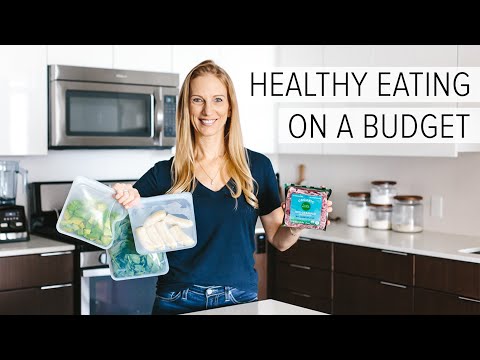
One of the biggest myths surrounding healthy eating is that it has to be expensive. While organic and specialty products can carry premium price tags, building a nutritious diet on a budget is entirely achievable with the right approach.
Proven Money-Saving Tips
- Buy seasonal produce. Fruits and vegetables that are in season are not only fresher and more flavorful but also significantly cheaper because of supply abundance.
- Purchase frozen fruits and vegetables. Flash-frozen produce retains most of its nutrients and costs a fraction of fresh out-of-season alternatives.
- Cook in batches and meal prep. Preparing large quantities of soups, stews, and grain bowls at the start of the week reduces food waste and saves time during busy weekdays.
- Choose store-brand over name-brand. Most store-brand products meet the same quality standards as their name-brand counterparts at a fraction of the cost.
- Buy dried legumes in bulk. Beans, lentils, and chickpeas are among the most affordable and protein-rich foods available, and buying them dried is far cheaper than canned versions.
- Plan your meals around what is on sale. Check weekly flyers before making your shopping list and build meals around discounted ingredients.
Advanced Tips for Building a Sustainable Healthy Eating Routine
Once you have mastered the basics of purchasing nutritious food, the next level involves creating systems and habits that make healthy eating effortless and sustainable over the long term.
- Stock your pantry with versatile staples. Keep olive oil, garlic, onions, canned tomatoes, spices, and a variety of grains on hand. These form the backbone of countless healthy meals with minimal effort.
- Explore new cuisines. Mediterranean, Japanese, Indian, and Middle Eastern cooking traditions emphasize whole foods, aromatic spices, and balanced nutrition. Exploring these cuisines keeps your meals exciting while naturally aligning with healthy eating principles.
- Grow your own herbs and microgreens. Even a small windowsill garden can provide fresh cilantro, basil, mint, or microgreens that elevate the flavor and nutritional profile of your dishes.
- Read beyond the front of the package. Marketing on the front is designed to sell; the back and side panels contain the real nutritional data. Train yourself to look past the colorful packaging and go straight to the facts panel and ingredient list.
- Practice the 80/20 rule. Aim to make 80 percent of your food choices nutrient-dense and whole, while allowing 20 percent flexibility for enjoyment. This prevents burnout and makes healthy eating a lifelong practice rather than a short-lived diet.
Frequently Asked Questions
What are the best healthy foods to buy for beginners on a budget?
For beginners looking to eat well without breaking the bank, focus on affordable staples like dried beans and lentils, brown rice, oats, bananas, cabbage, carrots, frozen vegetables, eggs, and canned tuna. These items are nutrient-dense, versatile, and some of the most cost-effective whole foods available at any grocery store.
Is it worth paying more for organic produce when you buy healthy food?
Organic produce reduces your exposure to pesticide residues, which is beneficial, but conventionally grown fruits and vegetables still provide substantial nutritional value. The Environmental Working Group’s “Dirty Dozen” and “Clean Fifteen” lists can help you prioritize which items are worth buying organic and which are safe to purchase conventionally.
How can I tell if a packaged food is actually healthy or just marketed as healthy?
Always flip the package and read the nutrition facts panel and ingredient list. Healthy packaged foods typically have short ingredient lists dominated by recognizable whole-food ingredients, low added sugar (under 5 grams per serving), and meaningful fiber content (at least 3 grams). If the label uses vague terms like “natural” or “made with real ingredients” without providing concrete nutritional data, approach with caution.
What is the best way to store healthy foods to reduce waste?
Invest in quality airtight containers for grains and legumes, use the freezer for excess produce and bread, store herbs upright in a glass of water in the refrigerator, and keep ethylene-producing fruits like bananas and avocados separate from leafy greens. Proper storage can extend the freshness of your groceries by several days and significantly reduce food waste.
Can I buy healthy food online and still get fresh quality?
Yes, many online grocery platforms now offer fresh produce, meats, and pantry staples with quality guarantees. Look for services that source from local farms, offer subscription discounts, and allow you to filter products by dietary preferences. Just be mindful of shipping times and storage instructions to ensure freshness upon delivery.
Conclusion
Learning how to buy healthy food is a skill that pays dividends for every aspect of your life—from physical energy and mental sharpness to long-term disease prevention and emotional well-being. By understanding what constitutes genuinely nutritious food, reading labels with a critical eye, shopping strategically across multiple venues, and building budget-conscious habits, you can transform your grocery trips into acts of self-care. The key is consistency over perfection. Start by making one or two small swaps in your current shopping routine, and build from there. Over time, these incremental changes will compound into a lifestyle that supports vibrant health and lasting vitality.