


The 1960s represented one of the most transformative decades in menswear history, fundamentally reshaping how men approached style, self-expression, and personal identity. From the sharp, narrow-lapelled mod suits that dominated the early years to the psychedelic prints and flowing silhouettes that defined the late sixties, the fashion trends of the decade broke every rule that previous generations had set for men’s clothing. Whether you are a fashion historian, a vintage enthusiast, or simply a man looking to refresh your wardrobe with timeless inspiration, understanding 1960s men’s fashion trends offers an incredible well of ideas that remain remarkably relevant today. This guide dives deep into the trends, icons, styling techniques, and cultural forces that made this era a golden age for men’s style.
The Cultural Forces That Shaped 1960s Men’s Fashion
To truly appreciate the clothing that emerged during this decade, you have to understand the social and cultural landscape that drove it. The early 1960s still carried echoes of the conservative 1950s, but by the mid-decade, a wave of youth-driven rebellion began to reshape every aspect of culture. The British Invasion, led by bands like The Beatles and The Rolling Stones, brought fresh styles across the Atlantic and created an insatiable demand for modern, youthful menswear. Meanwhile, the civil rights movement, the space race, and the rise of counterculture gave men new permission to experiment with color, fabric, and silhouette.
The decade essentially split into two distinct fashion philosophies. The first half embraced clean lines, sharp tailoring, and a polished, sophisticated aesthetic rooted in the mod subculture. The second half pushed toward freedom, flamboyance, and individuality, influenced by the hippie movement and psychedelic art. This duality is what makes 1960s mens fashion so endlessly fascinating and versatile for modern styling.
Essential 1960s Mens Fashion Trends
The Rise of Slim-Fit Mod Suits and Tailored Silhouettes
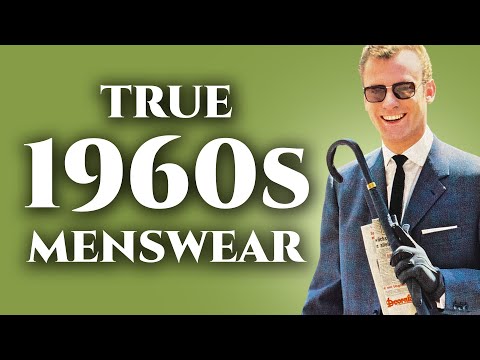
The mod movement, short for modernism, was arguably the single most influential force in early 1960s mens fashion. Mod men embraced slim-cut suits with narrow lapels, fitted jackets, and tapered trousers that created a sleek, elongated silhouette. The fabrics were often lightweight wools, mohair blends, or even tropical-weight linens that gave suits a polished but relaxed feel perfect for the warm British summers where the movement was born.
Key characteristics of the mod suit style included:
- Two-button jackets with narrow, peaked lapels
- High-waisted, slim-cut trousers that broke cleanly at the shoe
- Single-breasted designs with clean, minimal detailing
- Bold color choices including powder blue, mustard yellow, and olive green
- Three-piece suits paired with thin ties and pocket squares
What made mod suits so revolutionary was the rejection of the boxy, oversized tailoring that had dominated menswear for decades. The fit was intentional, almost architectural, and it sent a clear message about confidence and modernity.
Turtlenecks and the Casual-Chic Shift
Few garments capture the effortless cool of the 1960s better than the turtleneck. Worn alone under a blazer or as a standalone piece with jeans, the turtleneck became a wardrobe staple for men who wanted to look polished without appearing overly formal. Designers like Pierre Cardin and Ralph Lauren helped popularize the silhouette, and soon every fashion-conscious man had at least one tucked into his rotation.
The versatility of the turtleneck is what made it so enduring. It worked equally well in a boardroom setting, at an upscale dinner, or at a casual weekend gathering. Pair it with a wool blazer and slim trousers for a smart-casual look, or throw it under a leather jacket for an edgier vibe that bridged the gap between classic and counterculture.
Bold Prints, Color Blocking, and Pattern Play
As the decade progressed, mens fashion grew bolder with color and pattern. The late 1960s saw men embracing paisley prints, geometric motifs, wide stripes, and psychedelic designs that would have been unthinkable a decade earlier. Color blocking became a signature technique, with men pairing bright, contrasting hues in a single outfit to create maximum visual impact.
This trend was not just about aesthetics. It represented a broader cultural shift toward self-expression and the rejection of rigid social norms. A man wearing a vibrant orange shirt with flared purple trousers in 1968 was making a statement about individuality and creative freedom that went far beyond clothing.

Footwear Transformation
The 1960s also brought significant changes to men’s footwear. Chelsea boots, inspired by the Beatles and popularized by fashion icon John Stephen, became a defining shoe of the decade. Their elastic side panels offered both comfort and a streamlined look that complemented slim-fit trousers perfectly. Meanwhile, pointed-toe loafers, chunky boots, and even platform shoes gained traction as the counterculture movement encouraged men to explore more dramatic footwear options.
Wardrobe Essentials: 1960s Mens Fashion Trends at a Glance
| Garment | Key Style Features | Best Paired With | Era Peak |
| Mod Slim Suit | Narrow lapels, fitted jacket, tapered trousers | Thin tie, pocket square, Chelsea boots | 1963–1966 |
| Turtleneck Sweater | Fine-gauge knit, ribbed collar and cuffs | Blazer, leather jacket, slim jeans | 1964–1968 |
| Wide-Leg Trousers | High waist, flared leg, bold colors | Fitted shirt, platform shoes | 1968–1970 |
| Chelsea Boots | Elastic sides, pointed toe, low heel | Mod suits, slim trousers | 1963–1967 |
| Psychedelic Shirts | Bold prints, color blocking, oversized collars | Denim, wide trousers, boots | 1967–1969 |
| Flat Cap | Wool or tweed, structured brim | Peacoat, slim jeans, brogues | 1960–1964 |
How to Incorporate 1960 Mens Fashion Trends Into Modern Style
The beauty of 1960s mens fashion trends is that they translate surprisingly well into contemporary wardrobes. The key is to adapt rather than copy, taking the core principles of each look and filtering them through a modern lens. Here are some practical recommendations for pulling off retro-inspired outfits without looking costumed.
- Start with the suit. A slim-fit, single-breasted blazer in a muted color like charcoal, navy, or olive immediately channels the mod aesthetic. Pair it with tapered trousers and a fitted turtleneck for a look that feels both vintage and current.
- Invest in quality knitwear. A well-made turtleneck or crewneck sweater in merino wool or cashmere is one of the most versatile pieces you can own. Layer it under a jacket or wear it solo with slim jeans for a look that nods directly to sixties casual style.
- Experiment with color. Modern menswear has become more accepting of color, but you can push further by incorporating the bold pairings that defined the late sixties. Try a burgundy shirt with cream trousers or a teal jacket over a white tee.
- Choose the right footwear. Chelsea boots and pointed-toe loafers are the easiest vintage shoes to integrate into a modern wardrobe. They work with both suits and casual outfits, bridging the gap between decades effortlessly.
- Accessorize intentionally. Thin ties, patterned socks, slim belts, and sunglasses with bold frames all help complete the 1960s-inspired look without overwhelming your outfit.
Iconic Male Fashion Icons of the 1960s
No discussion of 1960s mens fashion trends would be complete without acknowledging the individuals who defined the era through their personal style. These men were not just wearing clothes. They were setting trends that millions of people around the world would follow.
The Beatles arguably did more to popularize men’s fashion in the 1960s than any single designer. Their evolution from matching collarless suits to military-inspired jackets and psychedelic outfits mapped the decade’s entire fashion trajectory. James Bond, as portrayed by Sean Connery, brought the sharp, tailored British look to global audiences and made the slim-fitting suit an aspirational standard for men everywhere. Jimi Hendrix pushed boundaries with flamboyant colors, ruffled shirts, and layered accessories that challenged every convention of masculine dressing. Steve McQueen brought rugged cool to the screen, popularizing turtlenecks, leather jackets, and a effortlessly stylish casual approach that remains influential today. Twiggy, while primarily a fashion icon in the broader sense, influenced menswear through his androgynous styling that blurred the lines between masculine and feminine silhouettes.
Frequently Asked Questions About 1960 Mens Fashion Trends
What were the most popular 1960s men’s fashion trends for everyday wear?
For everyday wear, the most popular trends included fitted turtlenecks worn under blazers, slim-cut chinos in neutral or earth tones, button-down shirts with wide collars, and Chelsea boots or loafers as go-to footwear. The mod influence meant that even casual outfits prioritized clean lines, fitted silhouettes, and intentional color coordination rather than sloppy or oversized clothing.
How can a modern man incorporate 1960s fashion trends without looking costume-like?
The secret is restraint and selective adoption. Start with one or two sixties-inspired pieces per outfit, such as a slim-fit blazer or a turtleneck, and keep the rest of the ensemble grounded in modern basics. Avoid head-to-head vintage recreations unless you are going for a themed look. Focus on the principles of the era — fit, color confidence, and attention to detail — rather than trying to replicate exact outfits from the period.
What fabrics and materials defined 1960s mens fashion?
The decade saw a shift toward lighter, more breathable fabrics. Lightweight wools, mohair blends, tropical-weight linens, and cotton seersucker were all staples. Turtlenecks were typically made from fine-gauge merino wool or cotton cashmere, while mod suits often featured mohair-wool blends that gave them a subtle sheen and lightweight feel. As the counterculture movement gained momentum, denim, corduroy, and tie-dye fabrics became increasingly prominent.
Why did 1960s mens fashion move toward slimmer fits compared to previous decades?

The shift toward slimmer fits was driven by multiple factors. The mod subculture in London championed a sleek, youthful aesthetic that rejected the bulky, boxy tailoring of the 1950s. The influence of European fashion designers, particularly Italian tailors, brought a new emphasis on fit and proportion. Additionally, the cultural emphasis on youth and vitality meant that men wanted clothing that projected energy, movement, and a modern sensibility rather than the restrained formality of earlier eras.
What are the best 1960s-inspired accessories for men today?
The most impactful accessories include slim ties in silk or knit fabrics, patterned socks that peek above the shoe, thin leather belts in brown or tan, Wayfarer-style sunglasses, and watch designs with minimalist dials and leather straps. A fedora or flat cap can also add a nostalgic finishing touch to an otherwise modern outfit.
Final Thoughts on 1960 Mens Fashion Trends
The 1960s gave men permission to care about fashion in ways that previous generations had not encouraged. From the precision of the mod suit to the rebellious energy of psychedelic prints, the decade offered a spectrum of style options that celebrated individuality and creative expression. The trends that emerged during this period did not simply belong to a bygone era. They continue to influence contemporary menswear in meaningful ways, from the slim-fit tailoring that dominates modern suit design to the growing acceptance of color, pattern, and personal flair in everyday mens clothing. Whether you are building a complete vintage-inspired wardrobe or simply looking to add a few sixties-inspired pieces to your rotation, the fashion of this dynamic decade offers timeless lessons in confidence, fit, and the power of self-expression through clothing.