


When people think about transformative decades in fashion, the 1960s almost always tops the list. The 1960s women’s fashion trends completely rewrote the rules of style, breaking away from the structured, conservative silhouettes of the previous era. From the mod miniskirts of London’s Carnaby Street to the sleek space-age fabrics of André Courrèges, this decade introduced a wave of experimentation, self-expression, and cultural rebellion that still influences designers today. Whether you are a vintage fashion enthusiast, a history buff, or simply someone looking for retro-inspired outfit ideas, understanding the key trends of the 1960s can deepen your appreciation for one of the most dynamic periods in fashion history.
The Cultural Forces Behind 1960s Women’s Fashion
Fashion never exists in a vacuum, and the 1960s were no exception. The decade was shaped by massive social movements, the rise of youth culture, and a growing sense of liberation that spilled directly into clothing choices. Women began rejecting the idea that fashion had to be uncomfortable or restrictive. Instead, they embraced styles that were playful, bold, and unapologetically modern. The feminist movement, the Space Race, and the British Invasion all left their fingerprints on what women wore every single day.
The Influence of the Youth Market
Before the 1960s, the fashion industry primarily catered to older, affluent consumers. Designers created garments that reflected mature tastes and traditional values. That all changed when young people became the most powerful consumer demographic for the first time. Teenagers and young women wanted clothing that felt youthful, affordable, and cutting-edge. This shift gave birth to ready-to-wear collections, boutique culture, and fast-fashion precursors that made trendy outfits accessible to women of all income levels.
Pop Art and Music as Fashion Catalysts
The British Invasion brought bands like The Beatles and The Rolling Stones to the forefront of popular culture, and their style became aspirational for millions of women. Bright colors, geometric patterns, and graphic prints took inspiration from pop art movements led by figures like Andy Warhol. Musicians and their fans created a feedback loop where stage outfits influenced streetwear and vice versa. This connection between music and fashion remains one of the strongest threads linking the 1960s to modern style culture.
Iconic 1960s Women’s Fashion Trends
Several distinct fashion movements defined the decade, each carrying its own aesthetic philosophy and cultural significance. Understanding these trends gives you a complete picture of why the 1960s remain so revered in fashion history.
The Mod Style
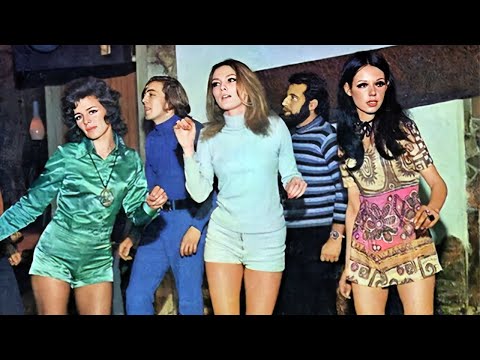
The mod movement originated in London and quickly spread across the globe. Mod fashion emphasized clean lines, bold geometric shapes, and a streamlined, almost futuristic look. Key elements included:
- Mini skirts, often paired with colored tights or knee-high boots
- Shift dresses and A-line silhouettes
- Bold op-art patterns and color-blocking
- Go-go boots in white or bright colors
- Leather jackets and tailored trouser suits
Designers like Mary Quant, who is widely credited with popularizing the miniskirt, embodied the mod spirit. Quant’s Bazaar boutique on King’s Road became a cultural landmark, proving that affordable, fun fashion could be just as powerful as haute couture. The mod look was about confidence, modernity, and a refusal to be boring.
The Space Age Aesthetic
French designer André Courrèges led the charge into what many critics called the “Space Age” look. This trend drew direct inspiration from the aerospace industry and the moon landing race. Women wore vinyl boots, plastic raincoats, metallic fabrics, and helmets as accessories. The silhouettes were architectural and architectural, favoring tall, flat shoes and minimalist tunics that emphasized the body as a sculptural form. Courrèges showed that fashion could be futuristic without sacrificing wearability, and his influence echoes in contemporary avant-garde collections every season.
The Feminine Hourglass Revival
Not every 1960s trend rejected the past. French couturier Coco Chanel continued championing tweed suits and classic silhouettes, while designers like Valentino leaned into the feminine hourglass shape with structured bodices and flowing skirts. Hollywood glamour also played a huge role, as actresses like Audrey Hepburn and Jackie Kennedy set standards for elegant, polished dressing that contrasted sharply with the rebellious mod styles. The coexistence of these opposing aesthetics is what made the 1960s so rich and varied in terms of women’s fashion choices.
Key Designers Who Defined the Decade
No discussion of 1960s women’s fashion trends is complete without highlighting the visionary designers who brought these styles to life. Each contributed something unique to the broader fashion landscape of the decade.
- Mary Quant — The queen of the miniskirt and the mod movement. She made fashion fun, youthful, and accessible through her London boutiques.
- André Courrèges — Pioneer of the space-age look, known for white boots, geometric cuts, and futuristic fabrics.
- Pierre Cardin — Another space-age innovator who experimented with molded dresses and unconventional materials.
- Yves Saint Laurent — Introduced the Le Smoking tuxedo suit for women, a groundbreaking moment for gender-fluid fashion.
- Coco Chanel — Continued her legacy of elegant simplicity, proving that timeless design transcends trends.
- Emilio Pucci — Famous for vibrant psychedelic prints and jersey fabrics that defined the free-spirited side of the decade.
These designers collectively pushed the boundaries of what women’s clothing could be, introducing new fabrics, new silhouettes, and new attitudes that permanently altered the fashion industry.
1960s Fashion Accessories and Beauty Trends
Accessories played an enormous role in completing the iconic 1960s look. No outfit was considered finished without the right finishing touches. Here are the accessories and beauty staples that defined the decade:
- Eyebrows: Thin, heavily plucked eyebrows inspired by Twiggy and Brigitte Bardot
- Eye makeup: Heavy black eyeliner, pastel eyeshadows, and false lashes for a dramatic, wide-eyed look
- Hair: The pixie cut, the beehive, and long straight hair with center parts
- Bags: Tiny clutch purses and structured box bags in metallic or bright solids
- Jewelry: Oversized plastic bangles, geometric necklaces, and mod earrings
- Hats and headbands: Wide-brimmed sunglasses, fascinators, and embroidered headbands
The beauty standards of the 1960s celebrated a youthful, almost androgynous look, particularly in the early part of the decade. Models like Twiggy embodied the waifish aesthetic with their short hair, pale complexions, and heavy eye makeup. As the decade progressed, a more glamorous, sun-kissed look emerged, influenced by supermodels like Veruschka and the global rise of bronzed, healthy skin as a beauty ideal.
Early vs. Late 1960s Fashion: A Comparison
The 1960s experienced a dramatic evolution in style from the beginning to the end of the decade. What women wore in 1960 looked vastly different from what they wore in 1969. The table below highlights the key differences between the two halves of the decade.
| Aspect | Early 1960s (1960–1963) | Late 1960s (1964–1969) |
| Silhouette | Fitted, hourglass, A-line | Shift, straight, and boxy |
| Hemlines | Knee-length and below | Mini skirts, above the knee |
| Fabrics | Wool, tweed, silk | PVC, vinyl, synthetic blends, cotton |
| Colors | Neutrals, pastels, earth tones | Bright primaries, psychedelia, metallics |
| Hair | Victory rolls, structured updos | Pixie cuts, beehives, long straight hair |
| Influence | Classic Hollywood, Jackie Kennedy | Youth culture, Space Race, counterculture |
This comparison makes it clear that the 1960s were not a monolithic fashion moment but rather a rapidly evolving landscape that reflected the decade’s shifting cultural values. Early 1960s fashion still carried echoes of the 1950s, while the late 1960s embraced the counterculture movement, psychedelic art, and a more liberated, bohemian approach to dressing.
Practical Tips for Incorporating 1960s Trends Today
If you want to bring the spirit of 1960s women’s fashion into your modern wardrobe, you do not need to commit to a full retro look. Here are some expert tips for blending vintage inspiration with contemporary style:
- Start with accessories: A pair of white go-go boots, oversized sunglasses, or a geometric clutch can instantly channel the mod era without overwhelming your outfit.
- Embrace the shift dress: Shift dresses remain incredibly versatile and work beautifully with modern belts and layered jewelry.
- Try bold color-blocking: Pair two solid colors that contrast sharply, inspired by mod-era color theory.
- Experiment with miniskirt proportions: The 1960s miniskirt was playful and confident. Pair it with knee-high boots or tights for an authentic retro vibe.
- Opt for graphic prints: Op-art patterns, geometric designs, and abstract florals are easy ways to nod to the decade without looking costumey.

The key to wearing 1960s-inspired fashion today is confidence and balance. Mix vintage pieces with modern staples so the look feels curated rather than costume-like. Most importantly, focus on the attitude — the 1960s were about breaking rules, embracing individuality, and dressing with joy.
Conclusion
The 1960s women’s fashion trends represent a watershed moment in the history of style. The decade dismantled old conventions, embraced new materials, and celebrated diversity in expression like never before. From the mod miniskirts of London to the space-age glamour of Paris, the 1960s gave women permission to be bold, experimental, and unapologetically themselves. That spirit of creative freedom is arguably the decade’s greatest and most lasting contribution to fashion. Whether you are curating a vintage-inspired capsule wardrobe or simply want to understand why certain silhouettes and styles remain timeless, the 1960s offer an endless well of inspiration that continues to shape the way we dress today.
Frequently Asked Questions
What were the most iconic 1960s women’s fashion trends?
The most iconic trends include the miniskirt popularized by Mary Quant, the mod shift dress, the space-age aesthetic led by André Courrèges, bold geometric prints, go-go boots, and the tailored trouser suit. Each trend reflected a different facet of the decade’s cultural energy, from youthful rebellion to futuristic optimism.
How did 1960s fashion differ from 1950s fashion for women?
1960s fashion moved away from the structured, hourglass silhouettes and conservative hemlines of the 1950s. The decade embraced shorter hemlines, looser fits, synthetic fabrics, and bolder colors. Where the 1950s emphasized elegance and formality, the 1960s celebrated youthfulness, playfulness, and experimentation.
Which 1960s fashion trend has had the biggest impact on modern fashion?
The miniskirt arguably had the most lasting impact. Introduced by Mary Quant and popularized globally during the 1960s, the miniskirt challenged gender norms and redefined women’s freedom of movement. It remains a wardrobe staple in contemporary fashion and continues to evolve with each new decade.
How did the Space Race influence women’s fashion in the 1960s?
The Space Race inspired designers like André Courrèges and Pierre Cardin to create futuristic looks using vinyl, metallic fabrics, plastic, and architectural silhouettes. The result was a collection of garments that looked like they belonged in a science fiction film, complete with helmets, white boots, and clean, geometric cuts that emphasized the body as a modernist form.
What beauty trends were popular alongside 1960s fashion?
Beauty trends included thin, heavily shaped eyebrows, dramatic eye makeup with thick eyeliner and pastel shadows, pale lips, and the iconic pixie cut or beehive hairstyle. Models like Twiggy defined the decade’s early beauty aesthetic, while later years saw a shift toward sun-kissed, glamorous looks influenced by celebrities like Brigitte Bardot.