


When it comes to nourishing your body and optimizing your health, a good diet is far more than just a set of rules about what to eat or avoid. It is a sustainable, personalized approach to fueling your body with the right nutrients at the right times. Whether you are just starting your wellness journey or looking to refine an existing eating plan, understanding the fundamentals of a truly effective diet can transform the way you feel, think, and perform every single day. The truth is, there is no single “perfect” diet that works for everyone. What matters most is building a nutritional foundation rooted in whole foods, balanced macronutrients, and consistent habits that align with your unique lifestyle, goals, and body needs. In this comprehensive guide, we will walk you through everything you need to know about creating and maintaining a diet that actually works — from basic principles to advanced strategies you will not find in most generic nutrition articles.
What Exactly Is a Good Diet?
A good diet is one that provides your body with adequate energy, essential nutrients, and sufficient variety to support long-term physical and mental health. It is not about deprivation, extreme restrictions, or following the latest fad diet trend. Instead, it is about creating a sustainable eating pattern that meets your nutritional needs while still being enjoyable enough to stick with over months and years. The best diets emphasize whole, minimally processed foods, include a balance of macronutrients and micronutrients, and are flexible enough to accommodate personal preferences, cultural food traditions, and individual health conditions. At its core, a well-structured eating plan supports stable energy levels, healthy digestion, immune function, mental clarity, and disease prevention.
Core Principles of a Balanced Diet
Before diving into specific meal plans or food lists, it is essential to understand the foundational principles that underpin any effective dietary approach. These principles apply whether you are managing weight, building muscle, improving gut health, or simply trying to feel more energized throughout the day.
Macronutrients You Need
Macronutrients — proteins, carbohydrates, and fats — are the three pillars of your diet. Each plays a distinct and critical role in bodily function:
- Protein: Essential for muscle repair, immune function, hormone production, and satiety. Aim for high-quality sources such as lean meats, fish, eggs, legumes, and dairy.
- Carbohydrates: The body’s primary energy source. Focus on complex carbohydrates like whole grains, oats, sweet potatoes, and vegetables rather than refined sugars and white flour products.
- Healthy Fats: Support brain health, hormone regulation, and nutrient absorption. Prioritize sources like avocados, olive oil, nuts, seeds, and fatty fish rich in omega-3 fatty acids.
Micronutrients That Matter
While macronutrients get most of the attention, micronutrients — vitamins and minerals — are equally vital. Iron, calcium, vitamin D, magnesium, zinc, and B vitamins all play roles in everything from bone density to mood regulation. A diet rich in colorful fruits, leafy greens, whole grains, and diverse protein sources naturally provides a broad spectrum of these essential nutrients without requiring expensive supplementation.
Building Your Ideal Meal Plan
Constructing a practical, effective meal plan does not have to be complicated. The key is to start with a framework and adjust based on your results, preferences, and evolving nutritional needs.
Beginner Guide to Eating Well
If you are new to structured nutrition, start with these simple steps:
- Eat real food. Choose items with short ingredient lists that you can recognize. If it has a long list of unpronounceable chemicals, it is probably not the best choice.
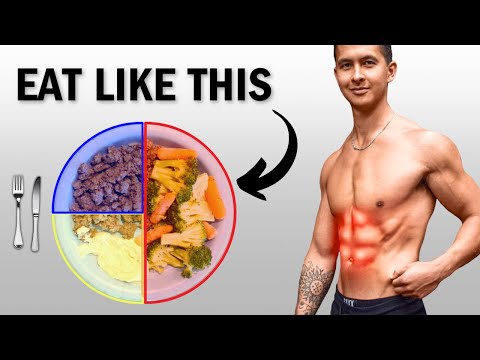
- Fill half your plate with vegetables. This simple visual cue ensures you are getting fiber, vitamins, and minerals at every meal.
- Drink more water. Hydration is foundational to digestion, energy, and cognitive function. Aim for at least eight glasses per day, more if you are physically active.
- Do not skip meals. Regular eating patterns help stabilize blood sugar levels and prevent the energy crashes that lead to poor food choices later in the day.
- Prepare meals ahead of time. Batch cooking and meal prep remove the guesswork and reduce the temptation to reach for convenient, ultra-processed options.
Intermediate Adjustments for Better Results
Once you have established a baseline of healthy eating, you can start fine-tuning your approach for more specific outcomes:
- Track your intake temporarily. Using a food journal or nutrition tracking app for a few weeks can reveal gaps in your nutrient intake or hidden sources of excess sugar and sodium.
- Experiment with meal timing. Some people thrive with intermittent fasting windows, while others perform better with more frequent, smaller meals. Listen to your body and adjust accordingly.
- Prioritize fiber intake. A diet rich in dietary fiber — found in vegetables, fruits, whole grains, and legumes — supports gut microbiome health, which is increasingly linked to immunity, mood, and weight management.
- Incorporate anti-inflammatory foods. Turmeric, ginger, berries, fatty fish, and extra virgin olive oil can help reduce chronic inflammation, a root cause of many modern health problems.

Foods to Embrace vs. Foods to Limit
Understanding which foods to prioritize and which to minimize is one of the most practical steps you can take toward better nutrition. The table below offers a clear comparison to guide your grocery shopping and meal preparation decisions.
| Embrace These Daily | Limit or Avoid |
| Leafy greens and cruciferous vegetables | Sugary beverages and sodas |
| Whole grains like quinoa, brown rice, and oats | Refined white bread and pastries |
| Lean proteins: chicken, turkey, fish, tofu, legumes | Processed meats like hot dogs and sausages |
| Healthy fats from nuts, seeds, and olive oil | Trans fats found in fried and packaged snack foods |
| Fresh fruits in moderation | Excessively salty and ultra-processed convenience foods |
| Fermented foods like yogurt, kimchi, and sauerkraut | Artificial sweeteners and heavily flavored snack products |
The goal is not perfection but progress. Allowing occasional indulgences within an otherwise nutrient-dense eating pattern is both realistic and psychologically healthy. The 80/20 rule — where approximately 80% of your diet consists of whole, nutritious foods and 20% allows for flexibility — is a sustainable approach that prevents the feelings of deprivation that often derail long-term dietary success.
Common Diet Mistakes and How to Avoid Them
Even well-intentioned eaters often fall into patterns that undermine their efforts. Here are some of the most common pitfalls:
- Following overly restrictive diets. Cutting out entire food groups without medical necessity can lead to nutrient deficiencies, metabolic slowdown, and an unhealthy relationship with food.
- Relying on supplements instead of whole foods. Supplements can fill gaps, but they cannot replicate the complex synergy of nutrients found in whole, natural foods.
- Ignoring portion sizes. Even healthy foods contain calories, and consuming them in excess can hinder weight management goals. Using smaller plates and practicing mindful eating can help.
- Drinking your calories. Smoothies, juices, and specialty coffee drinks can pack more sugar and calories than a full meal, undermining an otherwise solid nutrition plan.
- Setting unrealistic expectations. Sustainable dietary change happens gradually. Expecting dramatic results in a matter of days leads to frustration and abandonment of healthy habits.
Expert Tips for Long-Term Dietary Success
Nutrition professionals consistently emphasize that the best diet is the one you can maintain. Here are evidence-based strategies for building lasting habits:
- Make gradual changes. Swap one unhealthy habit per week rather than overhauling your entire diet overnight. Small, consistent adjustments compound into significant results over time.
- Eat with intention. Sit down for meals, chew slowly, and pay attention to hunger and fullness cues. Mindful eating improves digestion and prevents overeating.
- Diversify your plate. Eating a wide variety of foods ensures a broader intake of nutrients and keeps meals interesting, reducing the risk of boredom-driven dietary lapses.
- Align your diet with your activity level. Active individuals need more protein and complex carbohydrates for recovery and energy. Sedentary days call for slightly lighter meals with an emphasis on vegetables and healthy fats.
- Seek professional guidance when needed. Registered dietitians and nutritionists can provide personalized recommendations based on your health history, blood work, and specific goals.
Conclusion
A good diet is not a short-term fix or a restrictive eating protocol designed for quick results. It is a lifelong commitment to nourishing your body with wholesome, nutrient-dense foods that support optimal physical and mental performance. By understanding the core principles of balanced nutrition, building practical meal plans, avoiding common mistakes, and developing sustainable habits, you can create an eating pattern that serves your health for decades to come. The most effective nutrition strategy is the one that fits your life, your preferences, and your body. Start where you are, make incremental improvements, and trust the process. Your future self will thank you.
Frequently Asked Questions
What does a good daily diet look like for weight loss?
A weight-loss-focused daily diet emphasizes a moderate caloric deficit while maintaining high protein intake to preserve lean muscle mass. A typical day might include oatmeal with berries and nuts for breakfast, a grilled chicken salad with olive oil dressing for lunch, and baked salmon with roasted vegetables for dinner. The key is creating a sustainable calorie deficit of 300 to 500 calories per day rather than drastic cuts that are difficult to maintain.
How many meals per day is best for a healthy diet?
There is no one-size-fits-all answer. Some individuals thrive on three balanced meals per day, while others benefit from smaller, more frequent meals to maintain stable blood sugar. The most important factor is meeting your total daily nutritional needs regardless of meal frequency. Experiment with different eating schedules and choose the pattern that supports your energy levels, hunger management, and lifestyle.
Is a low-carb or low-fat diet better for overall health?
Research suggests that neither approach is universally superior. The best dietary pattern depends on individual factors including activity level, metabolic health, personal preferences, and specific health goals. Some people do well with moderate carbohydrate intake from whole food sources, while others thrive on higher fat, lower carb eating. The common thread in all successful diets is a focus on whole, minimally processed foods and adequate nutrient density.
Can a good diet improve mental health and mood?
Yes, emerging research in nutritional psychiatry strongly supports the connection between diet quality and mental health. Diets rich in omega-3 fatty acids, B vitamins, magnesium, zinc, and fermented foods have been associated with reduced symptoms of depression and anxiety. The gut-brain axis plays a significant role, and a healthy gut microbiome supported by a diverse, fiber-rich diet positively influences neurotransmitter production and overall mood regulation.

What is the difference between a diet and a healthy eating pattern?
A diet typically refers to a specific set of rules or restrictions for a short-term goal, while a healthy eating pattern is a long-term, flexible approach to nutrition that encompasses overall food quality, variety, and balance. The healthiest approach is one that you can maintain indefinitely — not a temporary protocol but a lifestyle rooted in whole foods, adequate hydration, and mindful eating practices.