When people ask about an example of nutritious food, they are usually looking for real, practical options that can transform their daily eating habits. Nutrition is not about chasing trends or eliminating entire food groups—it is about choosing foods that deliver meaningful vitamins, minerals, fiber, protein, and healthy fats your body depends on every single day. Whether you are a beginner just starting to pay attention to what you eat or an experienced health enthusiast refining your plate, understanding what makes a food genuinely nutritious can change everything. In this guide, we will walk through concrete examples of nutritious choices across every food category, compare them with less beneficial alternatives, and give you actionable strategies you can start using today.
What Does “Nutritious” Actually Mean?
The word nutritious gets thrown around a lot, but its meaning is rooted in science. A nutritious food is one that provides a high ratio of essential micronutrients and macronutrients relative to its calorie content. This concept is often called nutrient density, and it is the cornerstone of healthy eating. For example, a handful of almonds offers magnesium, vitamin E, healthy fats, and protein, while a similarly sized serving of candy offers mostly sugar and very little else. The difference lies entirely in nutrient density.
When nutritionists evaluate whether something qualifies as an example of nutritious eating, they look at several factors:
- The concentration of vitamins and minerals per calorie
- The presence of dietary fiber and beneficial phytonutrients
- The quality of protein, fat, and carbohydrate sources
- The absence of excessive added sugars, sodium, or artificial additives
- The food’s ability to support sustained energy and satiety
Understanding these criteria helps you move beyond vague labels like “healthy” and make informed choices backed by nutritional science.
Top Examples of Nutritious Foods Across Every Category
Let us get into the specific examples of nutritious foods that deserve a regular spot in your kitchen. These are not exotic superfoods found only in specialty stores—they are accessible, affordable, and backed by decades of nutritional research.
Examples of Nutritious Fruits and Vegetables
Fruits and vegetables form the foundation of any nutrient-rich diet. Some standout examples of nutritious produce include:
- Spinach — Packed with iron, folate, vitamin K, and antioxidants, spinach is one of the most nutrient-dense leafy greens available. A single cup of raw spinach contains fewer than 10 calories while delivering a significant portion of your daily vitamin requirements.
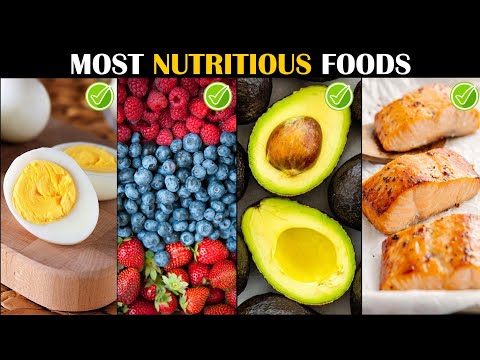
- Blueberries — Often cited as a top example of nutritious berries, blueberries are rich in anthocyanins, which are powerful antioxidants linked to improved brain function and reduced inflammation.
- Sweet Potatoes — Unlike white potatoes, sweet potatoes offer beta-carotene, fiber, and complex carbohydrates that provide sustained energy without blood sugar spikes.
- Broccoli — This cruciferous vegetable is loaded with vitamin C, vitamin K, potassium, and sulforaphane, a compound studied for its potential cancer-fighting properties.
- Avocados — A unique example of nutritious fruit, avocados provide monounsaturated fats that support heart health and help your body absorb fat-soluble vitamins from other foods.
Examples of Nutritious Proteins
Protein is essential for muscle repair, immune function, and hormone production. These are some of the best examples of nutritious protein sources:
- Salmon — Rich in omega-3 fatty acids, high-quality protein, and vitamin D, salmon is widely regarded as one of the most nutritious animal proteins available.
- Eggs — Whole eggs are a complete protein source containing all nine essential amino acids, plus choline, which supports brain health.
- Lentils — A plant-based powerhouse, lentils provide protein, fiber, iron, and B vitamins at a fraction of the cost of many animal proteins.
- Greek Yogurt — With nearly double the protein of regular yogurt and beneficial probiotics for gut health, Greek yogurt is a versatile example of nutritious dairy.
Examples of Nutritious Grains and Legumes
Whole grains and legumes are often overlooked, yet they are among the most reliable examples of nutritious staple foods:
- Quinoa — Technically a seed, quinoa is a complete protein containing all essential amino acids, making it an exceptional choice for vegetarians and vegans.
- Oats — Rich in beta-glucan fiber, oats help lower cholesterol and stabilize blood sugar levels throughout the morning.
- Chickpeas — An excellent source of plant-based protein and fiber, chickpeas support digestive health and provide steady energy.
- Brown Rice — Unlike its refined counterpart, brown rice retains its bran and germ layers, delivering magnesium, B vitamins, and fiber.
Building a Nutritious Meal Plan That Actually Works
Knowing examples of nutritious foods is only half the battle. The real challenge is assembling them into a meal plan that feels sustainable and enjoyable. Here are practical steps to get started:
Start With the Plate Method
The plate method is one of the simplest frameworks for building balanced meals. Imagine your plate divided into three sections:
- Half the plate: Non-starchy vegetables and fruits — think leafy greens, roasted broccoli, sliced peppers, or a colorful fruit salad.
- One-quarter of the plate: Lean protein — salmon, grilled chicken, tofu, or a generous serving of lentils.
- One-quarter of the plate: Whole grains or starchy vegetables — quinoa, brown rice, sweet potato, or whole-grain bread.
Add a small portion of healthy fat — a drizzle of olive oil, a few slices of avocado, or a handful of nuts — and you have a complete, nutritious meal without needing a complicated recipe.
Meal Prep Strategies for Busy Schedules
One of the biggest barriers to eating nutritiously is time. Try these expert-backed strategies:
- Batch-cook grains and legumes on Sunday and store them in portions for the week ahead.
- Pre-wash and chop vegetables so they are ready to throw into stir-fries, salads, or soups.
- Keep frozen fruits and vegetables on hand — they are just as nutritious as fresh and eliminate the “what am I making for dinner” dilemma.
- Prepare overnight oats or smoothie bags the night before to guarantee a nutrient-rich breakfast even on your busiest mornings.
Nutritious vs. Empty-Calorie Foods: A Side-by-Side Comparison
Understanding the difference between nutrient-dense options and empty-calorie choices is critical for long-term health. The table below highlights how common foods stack up against each other:
| Food Item | Calories (approx.) | Key Nutrients | Satiety Level |
| Avocado (half) | 160 | Potassium, fiber, vitamin E, healthy fats | Very High |
| White Bread (2 slices) | 140 | Minimal — mostly refined carbohydrates | Low |
| Salmon Fillet (100g) | 208 | Omega-3, protein, vitamin D, B12 | Very High |
| French Fries (100g) | 312 | High sodium, unhealthy fats, low micronutrients | Low |
| Blueberries (1 cup) | 84 | Antioxidants, vitamin C, fiber | Moderate |
| Candy Bar (standard) | 250 | Added sugar, minimal vitamins or minerals | Very Low |
| Lentils (1 cup cooked) | 230 | Protein, iron, fiber, folate, potassium | High |
This comparison makes it clear why choosing the right examples of nutritious foods matters — you get far more nutritional value per calorie, stay fuller longer, and support your body’s functions more effectively.
Expert Tips for Maximizing Nutritional Value
Even when you choose nutritious ingredients, how you prepare them can affect their nutritional profile. Keep these tips in mind:
- Minimize overcooking vegetables: Steaming or lightly sautéing preserves more vitamins than boiling, which leaches water-soluble nutrients into the cooking water.
- Pair iron-rich foods with vitamin C: Adding lemon juice to a spinach salad or bell peppers to a lentil dish significantly improves iron absorption.
- Eat the rainbow: Different colored fruits and vegetables contain different phytonutrients. Variety ensures you get a broad spectrum of health benefits.
- Read ingredient labels: Even products marketed as “healthy” can contain hidden sugars, excessive sodium, or preservatives that undermine their nutritional value.
- Prioritize whole foods over supplements: A banana, a handful of walnuts, or a serving of salmon provides nutrients in their natural, bioavailable form, which your body absorbs more efficiently than isolated pill forms.
FAQs: Common Questions About Examples of Nutritious Eating
What are three quick examples of nutritious snacks?
Three excellent examples of nutritious snacks include a small handful of mixed nuts (providing healthy fats and protein), a piece of whole fruit like an apple paired with almond butter, and a cup of Greek yogurt topped with fresh berries. Each option delivers meaningful nutrients without relying on processed ingredients or excessive sugar.
What is a good example of a nutritious breakfast for weight management?
A nutrient-dense breakfast that supports weight management is a bowl of overnight oats made with rolled oats, chia seeds, unsweetened almond milk, and topped with fresh blueberries and a sprinkle of cinnamon. This combination provides sustained energy, high fiber, protein, and antioxidants — keeping you full and satisfied well past mid-morning.
Can you give an example of a nutritious lunch for someone following a plant-based diet?
Absolutely. A quinoa bowl with roasted chickpeas, massaged kale, diced avocado, cherry tomatoes, and a tahini-lemon dressing is a perfect example of nutritious plant-based eating. It delivers complete protein, healthy fats, fiber, iron, and a wide range of vitamins and minerals in a single satisfying meal.
What are examples of nutritious foods for children?
Child-friendly examples of nutritious foods include scrambled eggs with spinach, banana slices with peanut butter, whole-grain pasta with hidden vegetable tomato sauce, and homemade trail mix with dried fruits, seeds, and a small amount of dark chocolate chips. These options make nutrition enjoyable without sacrificing taste.
How do I know if a food is truly nutritious and not just marketed as healthy?
Look past front-of-package marketing claims. Check the ingredient list for recognizable whole foods, and verify the nutrition panel for high fiber, protein, vitamin, and mineral content with minimal added sugars and sodium. If a food provides multiple essential nutrients per calorie, it is a genuine example of nutritious eating.
Final Thoughts
Exploring real examples of nutritious foods is one of the most impactful things you can do for your long-term health. From leafy greens and fatty fish to whole grains and legumes, the most nutritious options are often simple, whole, and minimally processed. The key is consistency — choosing nutrient-dense foods most of the time, experimenting with different preparation methods, and building meals that nourish both your body and your palate. You do not need perfection; you need progress. Start by swapping just one empty-calorie item in your daily routine with one of the examples of nutritious foods discussed in this article, and watch how the cumulative effect transforms your energy, focus, and overall well-being over time.