E-commerce, short for electronic commerce, refers to the buying and selling of goods and services over the internet, along with the transfer of money and data to complete those transactions. But the e-commerce definition goes far beyond simply making purchases online. It encompasses the entire ecosystem of digital business operations, from product listing and inventory management to payment processing, order fulfillment, and customer relationship management. In today’s world, understanding what e-commerce truly means is essential for entrepreneurs, marketers, and anyone navigating the digital economy. Whether you are running a small boutique shop on Shopify or managing enterprise-level supply chains for a multinational corporation, electronic commerce sits at the heart of modern trade. This comprehensive guide breaks down every layer of e-commerce meaning, explores the different models that define the industry, and offers practical insights for building a successful online business.
What Is E-Commerce? A Complete Definition and Meaning
At its core, the e-commerce definition describes any commercial transaction where the buying and selling of products or services occurs through digital channels. The meaning of e-commerce extends to include not just the transaction itself, but also the technologies, platforms, and processes that enable it. Electronic commerce relies on several foundational technologies working together seamlessly, including mobile commerce platforms, electronic funds transfer systems, supply chain management software, internet marketing tools, online transaction processing, and automated data collection systems.
When people ask, “what does e-commerce mean,” the most straightforward answer is digital buying and selling conducted over computer networks, primarily the internet. However, the deeper meaning of e-commerce involves understanding how businesses leverage technology to reach customers, streamline operations, and create value in ways that traditional brick-and-mortar stores simply cannot replicate. From a consumer perspective, e-commerce means the ability to shop anytime, anywhere, with access to a global marketplace right at your fingertips. The scope of electronic commerce continues to expand as new technologies like augmented reality shopping, voice-assisted purchasing, and blockchain-based transactions reshape what the digital marketplace can offer.
The Evolution of Electronic Commerce
The history of e-commerce is a fascinating journey that spans several decades and reflects the rapid growth of digital technology. The earliest forms of electronic commerce date back to the 1960s when businesses began using Electronic Data Interchange, known as EDI, to exchange business documents digitally. The launch of the World Wide Web in the early 1990s opened the floodgates for online retail, with pioneers like Amazon and eBay emerging as dominant players and fundamentally changing how the world shops.
From Early Online Transactions to Modern Digital Marketplaces
In the beginning, online shopping was met with skepticism. Consumers worried about the security of sharing credit card information over the internet. But as encryption technologies improved and trust grew, electronic commerce exploded. Today, the digital marketplace includes everything from individual sellers on Etsy to massive B2B wholesale platforms like Alibaba. The evolution of e-commerce meaning has expanded to cover not just retail sales but also digital services, subscription models, and even cryptocurrency transactions. The COVID-19 pandemic further accelerated e-commerce adoption, pushing millions of consumers and businesses online almost overnight and fundamentally reshaping the global economy. This rapid transformation has cemented electronic commerce as a permanent fixture of the modern commercial landscape.
Types of E-Commerce Models Explained
Understanding the different types of electronic commerce is crucial for anyone looking to start or grow an online business. Each e-commerce model serves a distinct market and involves different transaction dynamics. Here are the primary types that define the industry:

- Business-to-Consumer (B2C): This is the most common form of e-commerce, where businesses sell directly to individual consumers. Think of purchasing shoes from Nike’s website or ordering groceries through Instacart.
- Business-to-Business (B2B): In this model, businesses sell products or services to other businesses. Wholesale platforms, software-as-a-service providers, and industrial supply chains all operate on B2B e-commerce principles.
- Consumer-to-Consumer (C2C): This model facilitates transactions between individual consumers. Platforms like eBay, Craigslist, and Facebook Marketplace exemplify C2C electronic commerce.
- Consumer-to-Business (C2B): Here, individuals offer products or services to companies. Freelance platforms like Upwork and Fiverr operate on this model, where consumers sell their skills and businesses purchase those services.
- Direct-to-Consumer (D2C): A rapidly growing model where brands sell directly to their end customers without intermediaries. D2C brands use their own websites and social media channels to reach buyers, bypassing traditional retail channels entirely.
Key Components That Make E-Commerce Function
A successful e-commerce operation depends on several critical components working in harmony. Each element plays a specific role in ensuring that customers can browse, select, purchase, and receive products or services efficiently.
- E-Commerce Website or Platform: The digital storefront where customers interact with products, browse categories, and complete purchases. Platforms like WooCommerce, Magento, and BigCommerce power millions of online stores worldwide.
- Payment Gateway: The technology that securely processes financial transactions, including credit cards, digital wallets like Apple Pay and Google Pay, and emerging alternatives such as Buy Now Pay Later (BNPL) services.
- Shopping Cart System: Software that allows customers to collect items, review orders, apply discount codes, and proceed to checkout seamlessly without losing their selections.
- Inventory Management: Systems that track stock levels, manage warehousing, and automate reordering to prevent overselling or stockouts across multiple sales channels simultaneously.
- Order Fulfillment and Shipping: The logistics chain responsible for packaging, dispatching, and delivering products to customers efficiently and affordably.
- Customer Relationship Management (CRM): Tools that track customer interactions, purchase history, and preferences to personalize the shopping experience and drive repeat business.
- Search Engine Optimization (SEO): Strategies that ensure e-commerce websites rank well on search engines like Google, driving organic traffic and increasing visibility for product listings.
E-Commerce vs. Traditional Commerce: A Side-by-Side Comparison
While both electronic commerce and traditional retail aim to facilitate the exchange of goods and services, the methods, advantages, and challenges differ significantly. Understanding these differences helps businesses choose the right approach or determine how to blend both models effectively.
| Feature | Traditional Commerce | E-Commerce |
| Operating Hours | Limited to business hours | Available 24/7, year-round |
| Geographic Reach | Limited to local area | Global marketplace access |
| Overhead Costs | High (rent, utilities, staffing) | Lower operational costs |
| Customer Experience | Tangible product interaction | Virtual experience with reviews and visuals |
| Payment Methods | Cash, card, check | Digital wallets, BNPL, crypto, cards |
| Scalability | Requires physical expansion | Easily scalable with server capacity |
| Personalization | Limited by staff knowledge | AI-driven recommendations and data analytics |
The table above highlights why more businesses are investing heavily in digital storefronts. The meaning of e-commerce in modern commerce is not just about replacing physical stores but about complementing them through an omnichannel approach that meets customers wherever they are — online, in-app, or in person.
How E-Commerce Transactions Work in Practice
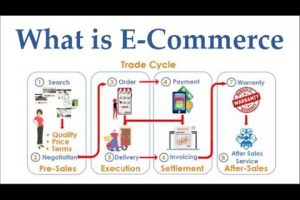
The e-commerce process involves a series of well-orchestrated steps that happen in seconds when a customer clicks “Buy Now.” Understanding this flow is essential for anyone building or managing an online store.
- Customer Browses the Storefront: A shopper visits an e-commerce website, uses search functions or category filters, and finds products that match their needs and preferences.
- Product Selection and Cart Addition: The customer adds items to a digital shopping cart, reviews quantities, and applies any available promotions or discount codes before proceeding.
- Checkout and Payment Processing: During checkout, the buyer enters shipping details and payment information. The payment gateway encrypts and verifies the transaction data securely using SSL protocols.
- Order Confirmation and Fulfillment: The system generates an order confirmation, notifies the warehouse team, and initiates the picking, packing, and shipping process automatically.
- Delivery and Post-Purchase Engagement: The customer receives tracking information, gets the product delivered, and may leave a review or engage with post-purchase email marketing campaigns designed to drive loyalty.
Each step in this workflow relies on robust technology infrastructure, secure data protocols, and efficient logistics partners. The meaning of e-commerce in practice is this entire interconnected chain of events, optimized for speed, security, and customer satisfaction at every touchpoint.
Expert Tips for Thriving in the E-Commerce Landscape
Building a successful e-commerce business requires more than just listing products online. Here are expert recommendations to help you stand out in a crowded digital marketplace and build a brand that lasts:
- Prioritize Mobile-First Design: More than 70% of e-commerce traffic comes from mobile devices. Ensure your website loads quickly and offers a seamless, intuitive experience on smartphones and tablets.
- Invest in High-Quality Product Content: Detailed descriptions, professional images, and video demonstrations significantly increase conversion rates and reduce product return rates by setting accurate expectations.
- Leverage Data Analytics: Use tools like Google Analytics and heatmaps to understand customer behavior, identify drop-off points in the checkout process, and optimize your store for maximum conversions.
- Build Trust Through Transparency: Display clear return policies, showcase customer reviews prominently, and use trust badges on payment pages to reassure first-time buyers and reduce cart abandonment.
- Diversify Your Sales Channels: Sell not just on your own website but also on marketplaces like Amazon, Etsy, and social commerce platforms like Instagram Shopping and TikTok Shop to maximize reach.
- Focus on Customer Retention: Acquiring a new customer costs five times more than retaining an existing one. Implement email marketing sequences, loyalty programs, and personalized recommendations to keep buyers coming back.
Frequently Asked Questions
What Is the Simple Definition of E-Commerce?
The simple e-commerce definition is the buying and selling of goods and services over the internet, along with the transfer of funds and data to complete those transactions electronically. It encompasses all online commercial activities conducted between businesses, consumers, and even government entities through digital platforms.
What Does E-Commerce Mean for Small Businesses?
For small businesses, e-commerce meaning translates into the ability to reach a global audience without the need for a physical storefront. It levels the playing field, allowing small retailers to compete with larger corporations by leveraging digital platforms, social media marketing, and targeted online advertising to connect with customers across the world on a level competitive field.
What Are the Main Benefits of Electronic Commerce?
The primary benefits of e-commerce include 24/7 availability, lower overhead costs compared to physical retail, access to a global customer base, personalized shopping experiences powered by data analytics, and the ability to scale operations rapidly without significant capital investment in physical infrastructure or additional retail locations.
How Is E-Commerce Different from E-Business?
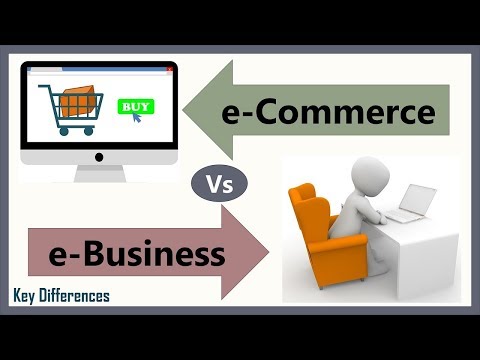
While the terms are often used interchangeably, e-commerce specifically refers to the buying and selling of products and services online. E-business is a broader concept that encompasses all business processes conducted electronically, including e-commerce but also covering internal operations like inventory management, human resources, and customer support systems.

What Are the Latest Trends Shaping the Future of E-Commerce?
Current trends include social commerce integration on platforms like Instagram and TikTok, artificial intelligence-driven product recommendations, voice commerce through smart speakers, augmented reality shopping experiences that let customers visualize products in their space, and the growing adoption of sustainable and ethical e-commerce practices that prioritize environmentally conscious packaging and transparent supply chains.
Is E-Commerce a Good Career Path?
Absolutely. The e-commerce industry is one of the fastest-growing sectors globally, creating demand for professionals in areas like digital marketing, web development, supply chain management, data analytics, and user experience design. Understanding e-commerce meaning and operations opens doors to diverse and rewarding career opportunities across countless industries.
Electronic commerce has fundamentally transformed how the world buys, sells, and connects. The definition and meaning of e-commerce continue to evolve as new technologies like artificial intelligence, blockchain, and immersive virtual reality reshape the digital shopping experience. Whether you are a curious beginner exploring the world of online business or an experienced entrepreneur looking to refine your strategy, understanding electronic commerce at its deepest level gives you a competitive edge. The digital marketplace is no longer a distant future — it is the present, and those who embrace its full potential will thrive in the years to come. Start by mastering the fundamentals covered in this guide, stay curious about emerging trends, and never underestimate the power of a well-executed online strategy to grow your business and reach customers across the globe.