


Defining an e-commerce business goes far beyond simply “selling things online.” At its core, e-commerce business refers to the buying and selling of goods or services through digital channels, but the real story lies in how these transactions are structured, delivered, and optimized across a rapidly evolving digital ecosystem. Whether you are a complete beginner exploring how to start an online store or a seasoned entrepreneur looking to scale, understanding the full scope of what an e-commerce business entails is absolutely essential. This guide breaks down every layer — from foundational definitions and business models to operational strategies, common pitfalls, and expert recommendations that separate thriving digital stores from ones that barely survive.
What Is an E-Commerce Business — A Clear, Comprehensive Definition
An e-commerce business is any commercial venture that facilitates transactions electronically, primarily over the internet. Unlike traditional brick-and-mortar retail, e-commerce eliminates geographical barriers, allowing businesses to reach customers 24/7 from virtually anywhere in the world. The term itself is short for “electronic commerce,” and it encompasses everything from a single-person dropshipping store on Shopify to multinational corporations like Amazon and Alibaba managing billions in annual revenue.
What many people miss is that online business definition extends beyond just retail sales. It includes digital products, subscription services, online consultations, marketplace platforms, and even B2B wholesale transactions conducted through digital portals. Understanding this breadth is critical because your business model determines everything from your technology stack to your marketing strategy and revenue forecasting.
Types of E-Commerce Business Models Explained
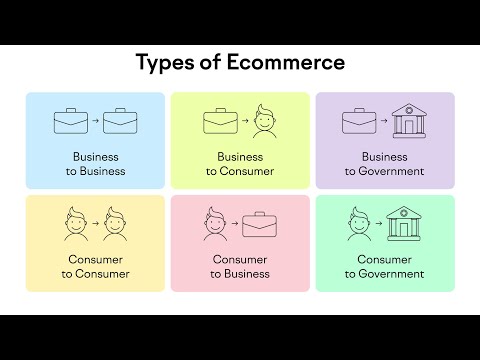
Not all online businesses operate the same way. The e-commerce business model you choose fundamentally shapes your customer relationships, pricing strategy, inventory management, and growth potential. Below are the primary models every aspiring entrepreneur should understand.
1. Business-to-Consumer (B2C)
This is the most recognizable e-commerce model, where a business sells directly to individual end users. Think of brands like Nike’s online store, Zara, or any Amazon seller. B2C businesses typically focus on branding, emotional marketing, and seamless checkout experiences.
2. Business-to-Business (B2B)

B2B e-commerce involves transactions between companies — for example, a manufacturer selling wholesale supplies to retailers through a digital platform. These deals often involve larger order volumes, longer sales cycles, and more complex negotiation processes.

3. Consumer-to-Consumer (C2C)
Platforms like eBay, Etsy, and Facebook Marketplace enable individual consumers to sell directly to other consumers. C2C businesses thrive on community trust, user reviews, and platform facilitation.
4. Consumer-to-Business (C2B)
In this less common but growing model, individuals offer products or services to businesses. Freelance platforms like Upwork and influencer marketing programs where creators pitch brands are prime examples.
5. Subscription-Based E-Commerce
Businesses like Dollar Shave Club or Birchbox charge customers recurring fees for curated products delivered on a regular schedule. This model generates predictable revenue and high customer lifetime value.
| Model | Sells To | Example | Revenue Model |
| B2C | Individual consumers | Amazon, Shopify stores | Direct sales, subscriptions |
| B2B | Other businesses | Alibaba, ThomasNet | Bulk orders, recurring contracts |
| C2C | Other consumers | Etsy, eBay | Commission, listing fees |
| C2B | Businesses | Upwork, influencer marketing | Service fees, sponsored posts |
| Subscription | Recurring consumers | Dollar Shave Club, BarkBox | Monthly recurring revenue |
Key Components That Power a Successful E-Commerce Business
Running a profitable online store requires more than just a website. Several interconnected components must work together seamlessly for your e-commerce business definition to translate into sustainable, profitable operations.
- E-Commerce Platform: The software backbone — Shopify, WooCommerce, BigCommerce, or Magento — determines how your store looks, functions, and scales.
- Payment Gateway Integration: Secure payment processing through Stripe, PayPal, or Square is non-negotiable for customer trust and transaction completion.
- Inventory Management System: Real-time tracking of stock levels prevents overselling and ensures fulfillment accuracy.
- Shipping and Fulfillment: Whether you handle logistics in-house or partner with third-party fulfillment services, delivery speed and reliability directly impact customer satisfaction.
- Digital Marketing Engine: SEO, pay-per-click advertising, email marketing, social media, and content marketing drive traffic and conversions.
- Customer Relationship Management (CRM): Tools that track customer behavior, preferences, and purchase history enable personalized experiences and repeat sales.
- Data Analytics and Reporting: Conversion rates, average order value, cart abandonment rates, and customer acquisition costs must be monitored constantly.
How E-Commerce Businesses Actually Work — From Concept to Execution
The definition of e-commerce business in practice involves a continuous cycle of attraction, conversion, fulfillment, and retention. Here is how each phase works.
Phase 1 — Discovery and Traffic Generation: Potential customers find your store through search engines, social media, paid ads, or direct URLs. Strong SEO strategy and content marketing are critical at this stage.
Phase 2 — Conversion: Visitors browse products, compare options, and make purchasing decisions. A well-designed storefront with clear calls-to-action, social proof, and frictionless checkout dramatically improves conversion rates.
Phase 3 — Order Processing and Fulfillment: Once a transaction is complete, the order moves to fulfillment — whether that means picking and packing a physical product or delivering a digital file instantly.
Phase 4 — Post-Purchase and Retention: Follow-up emails, loyalty programs, request for reviews, and exceptional customer service turn one-time buyers into repeat customers and brand advocates.
Benefits of Running an E-Commerce Business
- Global Reach: Your store is accessible to anyone with an internet connection, removing the physical limitations of a traditional storefront.
- Lower Overhead Costs: Without expensive retail space, utilities, and large in-store staff, online businesses can operate with significantly reduced fixed costs.
- Scalability: Digital infrastructure can handle thousands of transactions simultaneously, making it far easier to scale than a physical operation.
- Data-Driven Decision Making: Every click, view, and purchase generates data that can be analyzed to optimize pricing, marketing, and product offerings.
- Operating Flexibility: Run your business from anywhere in the world with an internet connection, giving you location independence.
Challenges Every E-Commerce Business Faces
- Intense Competition: Low barriers to entry mean thousands of competitors vying for the same customer attention.
- Cart Abandonment Rates: Industry averages hover around 70%, requiring sophisticated retargeting and email recovery strategies.
- Cybersecurity Risks: Protecting customer data and payment information is both a legal obligation and a trust imperative.
- Logistics Complexity: Managing shipping costs, returns, and international customs can become a major operational headache.
- Customer Trust Building: Without physical interaction, convincing strangers to spend money on your brand requires consistent social proof, transparent policies, and strong branding.
Expert Tips for Building a Profitable E-Commerce Venture
If you are serious about launching or growing an online business, these expert recommendations will give you a competitive edge.
- Start with a Niche: Broad markets are saturated. Narrow down to a specific audience with a clear problem you can solve better than anyone else.
- Invest in Mobile Optimization: Over 60% of e-commerce traffic now comes from mobile devices. Your store must load fast and function flawlessly on smartphones.
- Leverage Email Marketing Relentlessly: Email remains the highest-ROI marketing channel for online stores. Build your list from day one with lead magnets and welcome sequences.
- Prioritize Page Speed: A one-second delay in page load time can reduce conversions by up to 7%. Use tools like Google PageSpeed Insights regularly.
- Implement Strategic Upselling and Cross-Selling: Increasing average order value through related product suggestions and bundled offers is one of the fastest paths to revenue growth.
- Track Every Metric That Matters: Do not guess. Monitor conversion rate, customer acquisition cost, lifetime value, and return on ad spend with dedicated analytics tools.
Frequently Asked Questions
What Exactly Is an E-Commerce Business?
An e-commerce business is a commercial enterprise that sells products or services through digital platforms, primarily the internet. It encompasses online transactions between businesses, consumers, or other entities, and includes models like B2C, B2B, C2C, and subscription-based stores.
How Do I Start an E-Commerce Business With No Experience?
Begin by selecting a niche, choosing an easy-to-use platform like Shopify or WooCommerce, sourcing products through dropshipping or wholesale suppliers, setting up secure payment processing, and launching a basic marketing campaign. Free resources like Google’s Digital Garage and HubSpot Academy offer excellent beginner training.
What Are the Most Profitable E-Commerce Business Models in 2024?
Subscription-based e-commerce, niche dropshipping with branded products, digital product sales (courses, templates, software), and print-on-demand services currently rank among the most profitable models due to their low overhead and high margin potential.
How Much Does It Cost to Launch an E-Commerce Business?
Startup costs vary widely. A basic store on Shopify with dropshipping can launch for as little as $50-$100 per month. A custom-built store with inventory and paid advertising may require $5,000-$25,000 or more in the first year. The key is starting lean and reinvesting profits into growth.
What Skills Do I Need to Run a Successful Online Store?
Core skills include digital marketing (SEO, paid ads, email campaigns), basic data analysis, customer service, supply chain management, and basic web design. However, you do not need to master everything at once — outsourcing and using no-code tools can fill the gaps while you learn.
Final Thoughts
The e-commerce business landscape is one of the most dynamic and accessible entrepreneurial opportunities available today. Whether your goal is to build a full-time income replacement, a side hustle, or a scalable digital empire, understanding the nuances of online commerce — from business models and platform selection to marketing, fulfillment, and customer retention — gives you a massive advantage. The brands that win in e-commerce are not necessarily the ones with the biggest budgets; they are the ones that understand their customers deeply, deliver exceptional value, and iterate based on real data. Start small, stay consistent, keep learning, and your online business can grow far beyond what you initially imagined.