


If you are stepping up to the plate or shopping for a young player on your team, choosing the right baseball helmet is one of the most important decisions you will make. A baseball helmet is not just protective equipment — it is a confidence builder, a performance tool, and a critical piece of safety gear that can prevent serious head injuries. Whether you are a first-time parent browsing for a youth batting helmet or a seasoned veteran looking for a lightweight model with maximum ventilation, this baseball helmet buying guide will walk you through every factor you need to consider before spending your money. We will cover sizing, certification standards, materials, fit, ventilation, face masks, and top recommendations so you can make an informed choice with confidence.
Why Choosing the Right Baseball Helmet Matters
The baseball diamond is one of the most fast-paced environments in sports. A pitch can travel over 90 miles per hour, a line drive can come off the bat at even higher speeds, and collisions at home plate happen more often than fans realize. A properly fitted batting helmet absorbs impact energy, disperses force across a wider surface area, and protects the skull, temples, and jaw. Choosing a helmet that does not meet safety standards or fits poorly can leave a player vulnerable to concussions, skull fractures, and dental injuries. This guide will help you understand what separates a quality helmet from an unsafe one.
Key Safety Certifications to Look For

Before you consider style, brand, or price, the first thing you should verify is certification. In the United States, the NOCSAE (National Operating Committee on Standards for Athletic Equipment) sets the benchmark for baseball helmet safety. A helmet that carries the NOCSAE stamp has been independently tested to withstand specific impact forces.
- NOCSAE certification — the gold standard for amateur and professional baseball helmets in North America.
- ASTM F1446 — the standard specification for baseball batting helmets, often listed alongside NOCSAE.
- Youth-specific standards — some helmets are designed specifically for younger players with softer impact absorption for developing skulls.
If a helmet does not clearly display these certifications on the label or packaging, do not purchase it, regardless of how good it looks.
Baseball Helmet Sizing Guide
One of the biggest mistakes players make is buying a helmet that is too large because they think they will “grow into it.” A helmet that shifts on your head during a swing or while running the bases is a helmet that will not protect you when it matters most. Proper baseball helmet sizing is the foundation of a safe and comfortable fit.
How to Measure Your Head
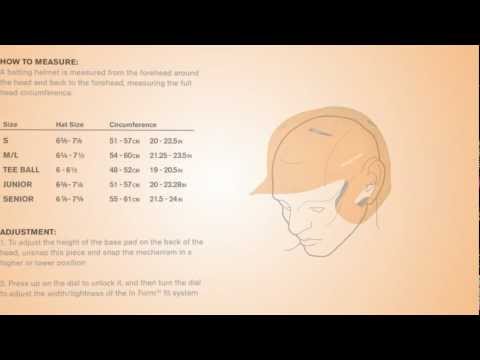
Use a soft measuring tape and wrap it around your head approximately one inch above your eyebrows and ears. This is the widest part of the head for most people. Compare your measurement to the sizing chart provided by the manufacturer, since different brands use slightly different sizing scales.
| Head Circumference | Helmet Size | Typical Age Range |
| Under 19 inches | Youth Small | 5–8 years old |
| 19–20 inches | Youth Medium | 8–11 years old |
| 20–21.5 inches | Youth Large / Adult Small | 11–14 years old |
| 21.5–23 inches | Adult Medium | 14+ years old |
| 23+ inches | Adult Large | Adult with larger head |
Fit Testing Tips
- The helmet should sit snugly on the head without shifting more than one inch in any direction.
- The front rim should rest approximately one finger-width above the eyebrows.
- Side pads should make firm contact with the temples without causing pressure points.
- Try on the helmet with whatever batting helmet inner liner or sweatband you plan to use, since these affect overall fit.
Types of Baseball Helmets
Not all helmets are built the same. Understanding the different categories will help you narrow down your options based on player position, age, and league requirements.
Youth Baseball Helmets
Designed for players typically aged 5 to 12, youth helmets are lighter in weight and feature thinner padding. Many include adjustable fit systems so the helmet can grow with the player. Some leagues require double-ear protection, so always check your little league helmet requirements before purchasing.
Adult Baseball Helmets
Adult helmets are constructed with sturdier polycarbonate shells, advanced padding systems, and often more ventilation channels. Professional and adult amateur players tend to prioritize weight reduction and airflow over pure durability, since adult skulls are fully developed and can handle greater impact forces.
Helmets with Face Masks
Attachable and integrated face masks are especially popular among youth players, catchers, and anyone playing in leagues that allow or require them. A baseball helmet with face mask adds a layer of facial protection against errant pitches, wild throws, and collisions at the plate. Look for models with quick-release mechanisms so the mask can be removed easily for storage or when not needed.
Catchers’ Helmets

Catcher helmets are a completely different category. They feature a full face cage, reinforced jaw protection, and additional padding around the crown. If you are shopping for a catcher, do not try to use a standard batting helmet — invest in a certified catcher’s model that is specifically designed for the position’s unique risks.
Materials and Construction
The shell material and interior padding of a batting helmet directly affect its durability, comfort, and ability to absorb impact. Here is what you should know about each component.
- Polycarbonate shell — the most common and durable outer layer found in modern helmets. It resists cracking and maintains its structure through repeated impacts.
- Expanded polypropylene (EPP) foam — a lightweight interior foam that absorbs shock effectively and retains its shape over time.
- EVA foam padding — soft, comfortable, and common in youth models, but tends to compress faster than EPP foam.
- ABS plastic — a budget-friendly shell material that works well for recreational and youth use but may crack under severe impacts.
Higher-end helmets often combine a polycarbonate shell with multi-density padding systems, giving you the best balance of protection and comfort.
Ventilation and Comfort Features
Nobody wants to wear a helmet that turns their head into an oven during a summer doubleheader. Baseball helmet ventilation has come a long way, and modern helmets feature strategically placed air vents that promote airflow without compromising structural integrity. When comparing models, look for helmets with multiple vents on the crown and sides.
Other comfort features worth considering include moisture-wicking sweatbands, removable and washable pads, and adjustable chin straps with quick-release buckles. These details may seem minor, but they make a significant difference during long practices and extended games.
Top Factors to Compare Before Buying
Use this checklist when comparing helmets side by side:
- Safety certification — NOCSAE and ASTM compliance is non-negotiable.
- Size and adjustability — measure your head and match it to the manufacturer’s sizing chart.
- Weight — heavier helmets cause neck fatigue; lighter models are preferable for younger players.
- Ventilation — look for multiple vents that align with your head shape for maximum airflow.
- Padding quality — multi-density padding outperforms single-density foam in both comfort and protection.
- Face mask compatibility — check whether the helmet supports attachable or integrated masks.
- Durability — read reviews and check warranty terms to ensure the helmet will last through a full season or more.
- League compliance — some leagues restrict helmet styles or require specific certifications.
Popular Baseball Helmet Brands Compared
Several brands dominate the baseball helmet market, each with its own strengths. Here is a quick comparison of the most respected names in the industry.
| Brand | Best For | Notable Feature | Price Range |
| Rawlings | Professional and youth players | S100 pro-comp series with superior impact resistance | Mid to Premium |
| Easton | Youth and intermediate players | Lightweight designs with excellent ventilation | Budget to Mid |
| Wilson | All-around use | Comfort-fit systems with adjustable sizing | Mid |
| Mizuno | Players who prioritize comfort | Soft, ergonomic padding that molds to the head | Mid to Premium |
| All-Star | Youth leagues | Affordable double-ear protection options | Budget |
Expert Tip on Brand Selection
Do not chase brand names blindly. A mid-range helmet from a reputable brand with proper certification will outperform an expensive helmet that lacks the right safety ratings. Always prioritize certification and fit over marketing and aesthetics.
Helmet Maintenance and Longevity
Even the best baseball helmet for sale will wear out if you do not take care of it. After every use, wipe down the exterior with a damp cloth and let it air dry. Check the chin strap and buckle for fraying or looseness regularly. Replace the helmet immediately if you notice cracks in the shell, compressed or flattened padding, or any signs of structural damage after an impact. Most experts recommend replacing a batting helmet every three to five years, or sooner if it has absorbed a significant hit.
Common Mistakes to Avoid
- Buying a helmet that is too big — a helmet that slides around during a swing will not protect you.
- Ignoring league regulations — some youth leagues prohibit certain helmet styles or require double-ear coverage.
- Skipping certification checks — uncertified helmets, even if they look protective, may not meet impact standards.
- Passing down damaged helmets — a helmet that has already absorbed a major hit may have hidden cracks that compromise its protection.
- Overlooking chin strap tightness — a loose chin strap can cause the helmet to come off during a slide or collision.
Final Thoughts: Making the Best Choice
Buying a baseball helmet does not have to be overwhelming. Start with safety certification, get the right size, prioritize comfort and ventilation, and choose a reputable brand that fits your budget and level of play. Whether you are equipping a young baseball player for their first season or upgrading your own batting gear, the right helmet makes every at-bat safer and more enjoyable. Use this guide as your reference point, take your time trying on models in person whenever possible, and never compromise on protection for style or savings.
Frequently Asked Questions
1. How often should I replace my baseball helmet?
Replace your batting helmet every three to five years, or immediately after any significant impact that causes visible damage to the shell or interior padding. Helmets degrade over time even without obvious damage, so err on the side of caution and replace them regularly to maintain optimal protection.
2. Can adults wear youth baseball helmets?
Adults can technically wear youth helmets if the sizing matches, but it is not recommended. Youth helmets are built with thinner shells and less robust padding, which may not provide the same level of impact protection that adult models deliver. Always choose a helmet designed for your age group and head size.
3. What is the difference between single-ear and double-ear baseball helmets?
A single-ear helmet protects the ear on the side of the batting hand only, while a double-ear helmet protects both ears. Most youth leagues now require double-ear protection for safety reasons, and many adult players prefer the full coverage for added confidence during at-bats.
4. Do baseball helmets protect against concussions?
Baseball helmets are designed to reduce the severity of head impacts and lower the risk of skull fractures, but no helmet can completely prevent concussions. The padding and shell work together to absorb and distribute impact forces, which mitigates — but does not eliminate — the risk of traumatic brain injury. Always pair helmet use with safe playing habits and proper technique.
5. Is a face mask necessary on a baseball helmet?
Face masks are not strictly required for most batting situations, but they are highly recommended for youth players, base runners, and anyone playing in leagues that allow them. A face mask protects against dental injuries, facial fractures, and cuts caused by errant pitches or collisions, adding a valuable layer of safety to standard helmet protection.
6. How tight should a baseball helmet chin strap be?
The chin strap should be snug enough that the helmet does not shift or wobble when you move your head, but not so tight that it causes discomfort or restricts breathing. You should be able to fit one finger comfortably between the strap and your chin. A properly tightened chin strap is one of the simplest yet most overlooked aspects of helmet safety.