


The world of beauty and beauty supply is a multibillion-dollar industry that touches nearly every aspect of modern life. From the skincare products sitting on your bathroom shelf to the professional-grade tools used in salons and spas, the sheer breadth of options can feel overwhelming—especially if you’re just starting out. Whether you’re a beauty enthusiast building your first collection, a seasoned makeup artist refining your kit, or someone looking to open a beauty supply store, understanding the landscape of cosmetic products and beauty tools is essential. This comprehensive guide breaks down everything you need to know about beauty supplies, from beginner basics to advanced professional insights, helping you make smarter, more informed choices every step of the way.
What Exactly Is Beauty Supply?
The term beauty supply refers broadly to the raw materials, products, and tools used in personal care, cosmetics, and aesthetic treatments. It encompasses everything from drugstore face moisturizers and drugstore mascara to high-end serums, salon-grade hair coloring systems, and professional-grade skincare devices. Unlike a standard cosmetics brand that markets directly to consumers, beauty supply products often serve as the foundation—ingredients, formulations, and equipment—that both beauty professionals and everyday consumers rely on.

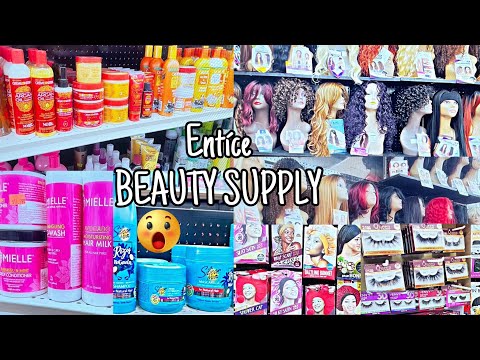
In practical terms, walking into a beauty supply store or browsing an online beauty supply retailer will expose you to categories that span skincare, makeup, hair care, body care, fragrance, nail products, brushes and tools, and even spa equipment. Understanding how these categories interconnect is the first step toward building a knowledgeable, effective beauty routine—or a profitable business.
The Beauty Supply Industry: A Quick Overview
Why the Industry Continues to Grow
The global beauty market is projected to surpass $700 billion in the coming years, and growth is being driven by several key trends. Consumer demand for clean, cruelty-free, and sustainable beauty products has surged. Social media influencers have created new pathways for niche brands to reach millions. And the rise of personalized skincare—where formulations are tailored to individual skin types—has opened doors to entirely new product lines.
For entrepreneurs, the beauty supply industry remains one of the most accessible and resilient sectors to enter. Barriers to entry are relatively low compared to other industries, and the recurring nature of personal care purchases means strong potential for repeat business.
Key Segments Within Beauty Supply
- Skincare — cleansers, toners, serums, moisturizers, sunscreens, exfoliants, and treatment products targeting concerns like acne, aging, hyperpigmentation, and hydration.
- Makeup & Cosmetics — foundation, concealer, lipstick, eyeshadow palettes, blush, setting sprays, primers, and mineral makeup.
- Hair Care — shampoos, conditioners, hair masks, styling products, hair color, bleach, relaxers, and heat protection tools.
- Nail Products — nail polishes, gel systems, acrylic powders, UV/LED lamps, cuticle oils, and nail art supplies.
- Tools & Equipment — makeup brushes, beauty sponges, mirrors, facial steamers, microcurrent devices, eyelash curlers, and styling irons.
- Fragrance & Body Care — perfumes, body lotions, shower gels, body scrubs, and aromatherapy products.
Types of Beauty Products: Drugstore vs. Professional vs. Clean Beauty
One of the most important distinctions in the beauty and beauty supply world is the tier of products. Not all cosmetics are created equal, and understanding where a product falls on the spectrum helps you set realistic expectations and budgets.
| Category | Description | Price Range | Best For |
| Drugstore / Mass Market | Widely available, affordable formulations designed for everyday use. Brands like Maybelline, L’Oreal, and NYX fall here. | $3–$25 | Beginners, everyday routines, experimentation |
| Professional / Salon Grade | Higher-concentration actives, advanced formulations. Brands like Redken, Olaplex, and MAC fall here. | $20–$100+ | Salon professionals, serious enthusiasts, targeted treatments |
| Clean / Natural Beauty | Free from parabens, sulfates, synthetic fragrances, and other controversial ingredients. Brands like Tata Harper, Beautycounter, and Ilia. | $20–$150+ | Eco-conscious consumers, sensitive skin, ingredient-aware buyers |
| Luxury / High-End | Premium packaging, exclusive formulations, brand prestige. Brands like La Mer, Charlotte Tilbury, and Tom Ford. | $50–$500+ | Luxury markets, gifting, specialized treatments |
Choosing between these tiers isn’t about spending more—it’s about matching the product to your needs. Many experts recommend a hybrid approach: use professional-grade treatments like serums and chemical exfoliants, while relying on quality drugstore products for daily staples like cleansers and mascaras.
How to Choose the Right Beauty Supply Products
For Beginners: Start Simple
If you’re new to beauty supply shopping, resist the urge to buy everything at once. Start with a core set of beauty essentials:
- A gentle cleanser suited to your skin type (oily, dry, combination, sensitive).
- A moisturizer with SPF for daytime protection.
- A basic foundation or tinted moisturizer for even skin tone.
- A mascara and brow pencil for defining your eyes.
- A versatile lipstick or lip balm.
- A good set of makeup brushes or a beauty blender.
These makeup essentials and skincare basics will cover 90% of your daily needs. Once you’re comfortable, you can layer in more specialized products like serums, primers, and color correctors.
For Intermediate Users: Focus on Targeted Solutions
If you already have a routine but feel it’s missing something, it’s time to get strategic. Consider adding:
- Treatment serums — vitamin C for brightening, retinol for anti-aging, niacinamide for pore refinement.
- Exfoliants — AHA/BHA peels or toners to remove dead skin cells and unclog pores.
- Eye creams — targeted formulas for under-eye circles and fine lines.
- Primer and setting products — to extend makeup wear and improve application.
- Hair treatments — bond repair systems like Olaplex No. 3 or deep conditioning masks.
At this stage, reading ingredient lists becomes critical. Look for semantic keyword terms like “hypoallergenic,” “non-comedogenic,” “dermatologist-tested,” and “clinically proven” to guide your selections.
For Advanced Users: Go Pro-Level
If you’re running a salon, building a brand, or simply operating at an expert level, your beauty supply needs shift dramatically. You’ll want to explore:
- Professional-grade chemical peels and laser-compatible skincare.
- Salon-only hair lines with ammonia-free color systems.
- Microcurrent devices, LED therapy masks, and professional facial equipment.
- Bulk purchasing from authorized beauty supply distributors to reduce per-unit costs.
- Custom formulation services for private-label branding.
Building Your Perfect Beauty Supply Kit
Whether you’re stocking a beauty supply store near me or organizing your personal vanity, a well-curated kit follows a logical structure. Here’s a step-by-step framework:
- Identify your audience or personal needs. Are you targeting sensitive skin? Acne-prone skin? Salon clients? Define the niche first.
- Prioritize staple products with high turnover. Cleansers, moisturizers, lipsticks, and mascaras sell fastest in retail and are used most at home.
- Include a few hero or specialty items. These are your differentiators—a viral TikTok product, a cult-favorite serum, or a unique nail color line.
- Stock complementary tools. Brushes, applicators, mirrors, and wipes add convenience and basket size.
- Verify authenticity and supplier credentials. Counterfeit beauty products are a real problem. Always source from authorized distributors or direct brand partnerships.
- Rotate seasonally. Summer calls for lighter sunscreens and waterproof mascara; winter demands richer creams and hydrating masks.
Expert Tips for Maximizing Your Beauty Routine
Even the best beauty products won’t deliver results if used incorrectly. These expert-backed tips will help you get the most out of every purchase:
- Layer from thinnest to thickest. Apply toners before serums before creams. Thicker products block penetration of lighter ones.
- Never skip patch testing. New products should be tested on your inner wrist or behind your ear for 24–48 hours before full-face application.
- Store products properly. Vitamin C serums and retinoids degrade when exposed to light and heat. Keep them in cool, dark environments.
- Replace old products on schedule. Mascara every 3 months, liquid eyeliner every 6 months, and moisturizers within 12 months of opening.
- Clean your tools. Dirty brushes and sponges harbor bacteria that cause breakouts. Wash them weekly with a gentle brush cleanser.
- Read reviews critically. Look for detailed, verified-purchase reviews rather than generic five-star endorsements. Photo reviews are especially valuable.

Clean Beauty and Emerging Trends in Beauty Supply
The clean beauty movement has fundamentally reshaped how consumers think about cosmetic products. Today’s buyers increasingly ask questions like: What’s in this product? Was it tested on animals? Is the packaging recyclable? Brands that answer these questions transparently are gaining market share rapidly.
Other notable trends shaping the beauty and beauty supply landscape include:
- Microdosing skincare — using minimal amounts of potent actives like retinol to reduce irritation while still seeing results.
- Barrier repair — products focused on strengthening the skin’s moisture barrier using ceramides, fatty acids, and squalane.
- Men’s grooming expansion — a rapidly growing segment of the beauty supply market now includes dedicated men’s skincare and fragrance lines.
- K-Beauty and J-Beauty influence — Korean and Japanese formulations like sheet masks, essences, and cushion compacts continue gaining global traction.
- Tech-integrated beauty — AI skin analysis tools, smart mirrors, and app-connected beauty devices are creating new product categories entirely.
Conclusion
The world of beauty and beauty supply is vast, dynamic, and full of opportunity—whether you’re a consumer refining your personal care routine or an entrepreneur building a business. The key is to stay informed, prioritize quality over hype, and always match products to genuine needs rather than trends. Start with the basics, layer in knowledge, and don’t be afraid to experiment at your own pace. The right beauty supply choices don’t just enhance your appearance—they boost confidence, encourage self-care, and connect you to a global industry that continues to innovate every single day.
Frequently Asked Questions (FAQs)
1. What is the best way to find a reliable beauty supply store near me?
Start by searching Google Maps for local beauty supply stores and checking reviews on Google and Yelp. Look for stores that carry recognized brands, offer authenticity guarantees, and have knowledgeable staff. For online options, verify that the retailer is an authorized distributor—brands usually list their authorized sellers on their official websites.
2. How do I start a beauty supply business from home?
Begin by identifying your niche—whether it’s curated skincare bundles, professional hair tools, or affordable makeup kits. Register your business, secure a seller’s permit, and source products from authorized beauty supply distributors. Start with a small inventory, sell through social media platforms or Etsy, and reinvest profits into expanding your catalog. Focus on customer education and trust-building through transparent ingredient information.
3. What are the must-have beauty supply items for a professional makeup artist?
Professional makeup artists typically rely on a curated collection including: a full-coverage foundation palette, a wide range of brushes, beauty sponges, setting powders, high-pigment eyeshadows, waterproof eyeliners, false lash adhesives, and professional-grade skincare prepping products. Investing in quality beauty tools and keeping them sanitized is just as important as the products themselves.
4. Are drugstore beauty supply products safe and effective?
Many drugstore beauty products are both safe and effective. Major brands like CeraVe, La Roche-Posay, NYX, and Maybelline are dermatologist-recommended and undergo rigorous testing. The key is reading labels, understanding your skin type, and avoiding ingredients known to irritate your skin. Price does not always correlate with quality—some affordable products outperform luxury alternatives.
5. How often should I replace products in my beauty supply kit?
Product shelf life varies. As a general rule: mascara should be replaced every 3 months, liquid eyeliner and foundation every 6 to 12 months, lipsticks and glosses every 18 to 24 months, and powder products like eyeshadow palettes up to 2 years. If you notice changes in texture, smell, or color, discard the product immediately regardless of the date.
6. What’s the difference between beauty supply stores and traditional cosmetics retailers?
Beauty supply stores typically offer a broader inventory that includes professional-grade products, tools, equipment, and supplies aimed at both consumers and industry professionals. Traditional cosmetics retailers like Sephora focus more on branded, consumer-facing products. Beauty supply stores near me often cater to salon owners and makeup artists, offering bulk sizes and trade discounts that standard beauty retailers don’t provide.