


In today’s rapidly evolving marketplace, beauty companies have grown from small boutique operations into multi-billion-dollar global enterprises that shape culture, self-expression, and personal identity. Whether you’re a skincare enthusiast hunting for clean formulations, a makeup lover tracking the next viral brand, or a professional looking to partner with reputable cosmetic manufacturers, understanding the landscape of beauty companies is essential. This comprehensive guide dives deep into the world of beauty brands, exploring their types, selection strategies, industry trends, and practical tips that help you make smarter purchasing and partnership decisions.
What Are Beauty Companies and Why Do They Matter?
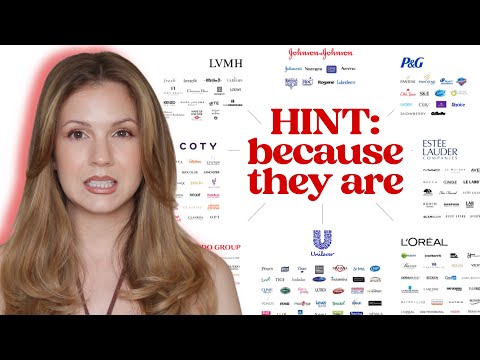
Beauty companies are organizations that manufacture, distribute, and market products designed to enhance personal appearance, skincare, fragrance, and grooming. These entities range from multinational corporations like L’Oréal and Estée Lauder to indie startups launching a single product line from a home lab. Their significance extends far beyond commerce — they influence beauty standards, drive ingredient innovation, set sustainability benchmarks, and shape consumer behavior across demographics.

The beauty industry generated over $580 billion globally in 2023, and the number of active brands continues to climb. Understanding what separates top-performing companies from the rest helps consumers and aspiring entrepreneurs navigate this crowded space with confidence.
Types of Beauty Companies You Should Know
The beauty industry is incredibly diverse. Not all companies operate the same way, and their focus areas determine their target audience, pricing strategy, and product philosophy. Here is a breakdown of the major categories:
Skincare-Focused Beauty Brands
Companies in this category prioritize dermatological formulations, active ingredients like retinol, hyaluronic acid, and peptides, and science-backed results. Brands like Paula’s Choice, The Ordinary, and SkinCeuticals have carved niches by offering transparent ingredient lists and clinical data. Many modern skincare companies emphasize clean beauty — formulations free from parabens, sulfates, and synthetic fragrances.
Cosmetics and Makeup Companies
Makeup-focused brands dominate social media and influencer marketing. These companies produce foundations, eyeshadows, lipsticks, and tools designed for color, coverage, and trend-driven innovation. Fenty Beauty, MAC Cosmetics, and ColourPop exemplify how cosmetic companies leverage celebrity partnerships and inclusive shade ranges to capture market share.
Hair Care and Fragrance Brands
Hair care companies like Olaplex and Moroccanoil focus on specialized treatments, while fragrance houses like Jo Malone and Maison Margiela create olfactory experiences that blur the line between beauty and luxury lifestyle. These segments often command premium pricing and loyal followings.
How to Choose the Right Beauty Company for Your Needs
With thousands of brands available, selecting the right one requires more than trusting a pretty Instagram ad. Here are the critical factors that separate a worthwhile purchase from a wasteful one:
- Ingredient Transparency — Leading beauty companies publish full ingredient lists (INCI names) and avoid proprietary “secret blends” that hide potentially harmful substances.
- Cruelty-Free and Sustainable Practices — Certifications like Leaping Bunny, B Corp, and cruelty-free logos signal ethical commitments that modern consumers increasingly demand.
- Skin Type and Concern Alignment — The best brands categorize products by skin type (oily, dry, sensitive, combination) and address specific concerns like acne, hyperpigmentation, or aging.
- Clinical Evidence and Reviews — Reputable companies invest in dermatological testing, peer-reviewed studies, or long-term user testimonials rather than relying solely on marketing hype.
- Price-to-Value Ratio — Expensive does not always mean effective. Mid-range companies often use the same active ingredients as luxury brands at a fraction of the cost.
Key Factors at a Glance

| Factor | What to Look For | Why It Matters |
| Ingredient List | Full INCI transparency, no hidden fillers | Prevents allergic reactions and irritation |
| Certifications | Leaping Bunny, EWG Verified, B Corp | Validates cruelty-free and sustainable claims |
| Clinical Testing | Dermatologist-tested, patch-test data | Ensures safety and efficacy claims are backed |
| Return Policy | Satisfaction guarantee, open-product returns | Reduces financial risk of trying new brands |
| Brand Reputation | Consistent positive reviews, expert endorsements | Indicates reliability and long-term quality |
Top Beauty Companies Leading the Industry in 2024
Several companies have distinguished themselves through innovation, market reach, and consumer trust. The table below compares some of the most influential beauty brands across key metrics:
| Company | Specialty | Price Range | Notable Strength |
| The Ordinary | Skincare | Budget-friendly | Radical ingredient transparency |
| Fenty Beauty | Cosmetics | Mid-range | Inclusive shade matching and diversity |
| Estée Lauder | Premium skincare & makeup | Luxury | Decades of dermatological research |
| Glossier | Skincare & minimal makeup | Mid-range | Community-driven product development |
| Olaplex | Hair care | Premium | Bond-building technology innovation |
| Drunk Elephant | Clean skincare | Premium | Elimination of the “Suspicious 6” ingredients |
Each of these companies has built its identity around a specific value proposition — whether it’s affordability, inclusivity, scientific rigor, or clean formulations. Their success demonstrates that modern beauty companies must offer more than just a product; they must deliver a brand experience and a philosophy that resonates with their audience.
How Beauty Companies Are Adapting to Modern Trends
The beauty industry is undergoing a massive transformation driven by technology, cultural shifts, and heightened consumer awareness. Here are the most significant trends reshaping how beauty brands operate:
- AI-Powered Personalization — Companies like Function of Beauty and Proven use artificial intelligence to analyze individual hair and skin profiles, then customize formulations accordingly. This represents a shift from one-size-fits-all products to hyper-personalized solutions.
- Clean and Green Chemistry — Consumers are demanding safer ingredients and eco-friendly packaging. Beauty companies are reformulating products with plant-based alternatives, biodegradable packaging, and carbon-neutral manufacturing processes.
- Direct-to-Consumer (DTC) Models — Many emerging brands skip traditional retail entirely, selling through their own websites and social channels. This model allows companies to maintain higher margins and build direct relationships with customers.
- Inclusive Beauty Standards — Leading brands now expand shade ranges, feature diverse models, and formulate products for a wider spectrum of skin tones, hair textures, and cultural beauty practices.
- Subscription and Membership Programs — Companies like Allure and beauty boxes leverage recurring revenue models that provide curated products at discounted rates, fostering long-term customer loyalty.
Whether you are a consumer looking for better products or an aspiring entrepreneur entering the beauty space, these practical recommendations will give you a competitive edge:
- Patch-test everything. Even products from the most reputable cosmetic companies can cause reactions. Always test new formulations on a small area of skin 24 hours before full application.
- Read beyond marketing claims. Terms like “natural,” “organic,” and “dermatologist recommended” are not regulated uniformly. Look for third-party certifications instead.
- Follow ingredient lists, not brand names. A lesser-known brand might use the same active ingredients as a prestige label at a significantly lower price point.
- Track your routine and results. Keeping a simple journal of products and skin responses helps you identify what works and what doesn’t, saving money and preventing frustration.
- For entrepreneurs: Invest in regulatory compliance early. Cosmetic companies must adhere to FDA guidelines, EU cosmetic regulations, and regional safety standards depending on their target market.
Frequently Asked Questions About Beauty Companies
What should I look for when evaluating a beauty company’s credibility?
Start by checking for full ingredient transparency, third-party certifications like Leaping Bunny or EWG Verified, and published clinical testing data. A credible beauty company will never hide behind vague marketing language and will provide clear contact information and customer service channels for product inquiries.
Are expensive beauty companies always better than affordable ones?
Not necessarily. Price often reflects branding, packaging, and marketing costs rather than formulation quality. Many budget-friendly brands use identical active ingredients as luxury counterparts. The key is comparing ingredient lists, concentrations, and third-party testing results rather than relying on price as a quality indicator.
How do I start my own beauty company with a limited budget?
Begin with a niche product category where you have expertise, such as a specific skincare serum or a targeted lip treatment. Focus on regulatory compliance, secure reliable manufacturing partners, and validate your product through small-batch testing before scaling. Building a strong direct-to-consumer presence through social media and email marketing can significantly reduce overhead costs.
What is the difference between clean beauty companies and traditional cosmetic brands?
Clean beauty companies deliberately avoid a defined list of controversial ingredients — often referred to as the “dirty dozen” or “Suspicious 6” — including parabens, phthalates, formaldehyde donors, and synthetic fragrances. Traditional cosmetic brands may use these ingredients if they comply with regulatory safety thresholds. However, “clean” is not a regulated term, so consumers should verify claims through independent certifications and ingredient databases.
Social media has fundamentally reshaped the beauty industry by enabling direct-to-consumer brand building, real-time customer feedback loops, influencer-driven product discovery, and viral marketing campaigns. Many modern cosmetic companies now allocate more than half of their marketing budgets to digital channels and rely heavily on user-generated content and TikTok reviews to drive product launches and sales.
Final Thoughts
The world of beauty companies is vast, dynamic, and full of opportunity — whether you are a consumer seeking better products or an entrepreneur building a brand. By understanding the different types of beauty brands, knowing what factors to evaluate, and staying informed about industry trends, you position yourself to make smarter decisions every step of the way. The companies that thrive are those that prioritize transparency, innovation, and genuine consumer trust. In an industry where trends shift overnight, those foundational values remain the most powerful competitive advantages of all.