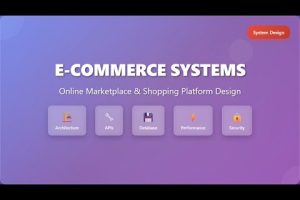
E-commerce has fundamentally reshaped the way people buy, sell, and interact with brands across the globe. What started as a niche experiment in the mid-1990s has exploded into a multi-trillion-dollar industry that touches virtually every corner of the consumer economy. Whether you are a budding entrepreneur exploring how to launch your first online storefront or a seasoned business owner looking to scale an existing digital operation, understanding the nuances of ecommerce is no longer optional—it is essential. This comprehensive guide dives deep into the mechanics, strategies, platforms, and trends that define modern electronic commerce, giving you actionable insights you can implement right away.
What Is E-Commerce and Why Does It Matter?
At its core, e-commerce refers to the buying and selling of goods or services over the internet, along with the transfer of money and data required to complete those transactions. The term encompasses far more than just placing items in a digital shopping cart. It includes payment processing, inventory management, order fulfillment, customer relationship management, and everything in between.
According to recent market research, global retail e-commerce sales surpassed $5.8 trillion in 2023 and are projected to grow steadily through the decade. This explosive growth is driven by shifting consumer expectations—people now demand seamless mobile shopping experiences, fast delivery, personalized recommendations, and frictionless returns. Businesses that fail to adapt to these expectations risk losing significant market share to competitors who have mastered the digital retail landscape.
Understanding ecommerce also means recognizing its role in the broader digital economy. It intersects with digital marketing, supply chain logistics, data analytics, cybersecurity, and customer experience design. A successful online business is not just a website—it is an ecosystem built around trust, convenience, and value delivery.
Types of E-Commerce Business Models
Not all online businesses operate the same way. E-commerce models vary based on who is selling to whom and how the transaction is structured. Let us break down the primary models that dominate the digital marketplace.

Business-to-Consumer (B2C)
The B2C model is the most recognizable form of ecommerce. Businesses sell directly to individual consumers through online retail stores, marketplaces, or mobile applications. Think of brands like Amazon, Nike, or smaller niche stores selling handmade jewelry on platforms like Etsy. B2C ecommerce thrives on emotional marketing, branding, and exceptional user experience.
Business-to-Business (B2B)
B2B ecommerce involves transactions between businesses, such as a manufacturer selling raw materials to a distributor or a software company licensing tools to enterprise clients. These transactions tend to involve larger order volumes, longer sales cycles, and more complex pricing structures. Platforms like Alibaba and Faire specialize in connecting B2B buyers and sellers worldwide.
Consumer-to-Consumer (C2C)
C2C platforms enable individuals to sell products or services directly to other individuals. eBay, Craigslist, and Facebook Marketplace are prime examples. These platforms typically earn revenue through transaction fees or listing charges and rely heavily on community trust and review systems.
Direct-to-Consumer (DTC)
The DTC model has gained massive traction over the past decade. Brands bypass traditional retail intermediaries entirely, selling straight to customers through their own websites or social media channels. Companies like Glossier and Gymshark built billion-dollar empires using this approach, maintaining full control over brand narrative, customer data, and profit margins.
Key Benefits of Building an E-Commerce Business
Starting an online store offers advantages that traditional brick-and-mortar retail simply cannot match. Here are some of the most compelling reasons to enter the ecommerce space.
- Global Reach: Your store is open 24/7 and accessible to customers anywhere in the world, breaking geographical barriers entirely.
- Lower Overhead Costs: Without the expense of leasing physical retail space, hiring large in-store staff, or maintaining a costly storefront, your profit margins can be significantly higher.
- Scalability: Digital infrastructure allows you to handle increased traffic and orders without proportional increases in operational costs, especially when using cloud-based tools.
- Data-Driven Decisions: Every click, bounce, cart abandonment, and purchase generates actionable data that helps you optimize marketing, pricing, and product offerings.
- Personalization at Scale: Advanced algorithms and customer segmentation tools let you tailor product recommendations, emails, and offers to individual buyer preferences.
E-Commerce Platform Comparison
Choosing the right platform is one of the most critical decisions in launching an online store. Each platform comes with distinct strengths, pricing structures, and capabilities. The table below compares some of the most popular options to help you make an informed choice.
| Platform | Best For | Starting Price | Key Strength |
| Shopify | Growing brands needing reliability | $39/month | App ecosystem and ease of use |
| WooCommerce | WordPress users wanting flexibility | Free (plugin) | Full customization and open-source control |
| BigCommerce | Mid-market and B2B businesses | $39/month | Built-in features without transaction fees |
| Magento (Adobe Commerce) | Large enterprises and complex stores | Custom pricing | Enterprise-grade scalability and power |
| Squarespace | Creatives and small boutiques | $33/month | Stunning design templates |
Your choice should align with your technical expertise, budget, expected traffic volume, and long-term growth plans. A startup selling handmade crafts has very different needs than a multinational wholesale operation.
Essential Tools and Technologies for E-Commerce Success
Running a profitable online store requires more than just a shopping cart plugin. Modern ecommerce depends on a robust stack of integrated tools that handle everything from inventory tracking to email marketing automation.

Payment Processing
Payment gateways like Stripe, PayPal, and Square enable secure transactions across multiple currencies and payment methods. Offering diverse options—credit cards, digital wallets like Apple Pay, buy-now-pay-later services like Klarna, and even cryptocurrency—can dramatically increase conversion rates.
Search Engine Optimization (SEO)
Organic search remains one of the highest-return marketing channels for ecommerce. Optimizing product pages with descriptive titles, structured data markup, image alt text, and keyword-rich descriptions helps your store rank higher on Google and attract qualified traffic without relying solely on paid advertising.
Email and SMS Marketing
Tools like Klaviyo, Omnisend, and Mailchimp allow you to build automated flows for abandoned cart recovery, post-purchase follow-ups, and personalized product recommendations. Email and SMS remain the channels with the highest return on investment for online retailers.

Analytics and Performance Tracking
Google Analytics 4, combined with platform-native dashboards, gives you visibility into customer behavior, acquisition channels, and revenue attribution. Understanding metrics like customer lifetime value, average order value, and conversion rate is critical for making informed strategic decisions.
Expert Tips for E-Commerce Growth
Moving from a basic online store to a high-performing ecommerce business requires deliberate strategy. Here are expert recommendations that separate thriving stores from struggling ones.
- Prioritize Mobile Experience: Over 60% of ecommerce traffic now comes from mobile devices. Ensure your site loads quickly, buttons are easily tappable, and checkout flows are simplified for smaller screens.
- Invest in High-Quality Product Photography: Consumers cannot touch products online, so visuals must compensate. Use multiple angles, lifestyle images, and zoom capabilities to reduce uncertainty and build confidence.
- Implement Social Proof Strategically: Customer reviews, user-generated content, trust badges, and real-time purchase notifications create psychological trust signals that directly influence buying decisions.
- Optimize for Speed: Every additional second of page load time can cost you 7% in conversions. Compress images, leverage browser caching, and choose a reliable hosting provider.
- Build an Email List From Day One: Your email list is one of the most valuable owned assets in ecommerce. Offer lead magnets, exit-intent popups, and loyalty incentives to grow your subscriber base consistently.
- Diversify Your Traffic Sources: Relying on a single channel like organic search or paid ads creates vulnerability. Build presence on social media, explore marketplace selling, invest in content marketing, and consider affiliate partnerships.
Common E-Commerce Mistakes to Avoid
Even experienced online sellers make preventable errors that drain revenue and erode customer trust. Watch out for these common pitfalls.
- Neglecting Site Speed: Slow-loading pages kill conversions. Regularly audit your site performance and remove unnecessary plugins or bloated code.
- Vague Product Descriptions: Generic copy fails to answer customer questions and does not rank well in search engines. Be specific about features, dimensions, materials, and use cases.
- Ignoring Mobile Users: A desktop-only design alienates a massive portion of your potential customer base.
- Complicated Checkout Processes: Every extra field or unexpected fee increases cart abandonment. Streamline the path to purchase ruthlessly.
- Underestimating Customer Service: Fast, helpful support—whether through live chat, chatbots, or email—differentiates you from competitors and drives repeat purchases.
Frequently Asked Questions
What is the best e-commerce platform for beginners?
Shopify and Squarespace are widely considered the best options for beginners due to their intuitive interfaces, guided setup wizards, and extensive tutorial libraries. Shopify offers deeper e-commerce functionality and a massive app marketplace, while Squarespace excels at providing beautiful, design-forward templates with minimal technical knowledge required.
How much does it cost to start an e-commerce business?
Startup costs vary widely depending on your model and platform. A basic store using WooCommerce can launch for under $100 in the first month, covering domain registration and a hosting plan. A Shopify store might cost $39 to $100 monthly plus transaction fees. Budgeting for product photography, initial inventory, and marketing spend should also be factored into your launch plan.
What are the biggest challenges in e-commerce today?
The most significant challenges include increasing customer acquisition costs due to rising digital advertising prices, maintaining competitive shipping and delivery speeds, managing inventory across multiple sales channels, and keeping up with evolving data privacy regulations like GDPR and CCPA. Adapting to these challenges requires continuous learning and operational flexibility.
How can I improve my e-commerce conversion rate?
Improving conversion rates starts with reducing friction in the buying process. Simplify navigation, optimize product pages with clear calls-to-action, offer multiple payment options, display trust signals prominently, and use exit-intent popups with compelling offers. A/B testing different elements systematically helps you identify what resonates most with your specific audience.
Is dropshipping a viable e-commerce model in 2024?
Dropshipping remains viable, but it has become significantly more competitive. Success now requires careful supplier vetting, branded packaging and experiences, niche selection with lower competition, and strong marketing execution. Simply uploading products from a supplier directory no longer works—consumers expect curated, trustworthy brands with fast shipping and reliable service.
Conclusion
The world of ecommerce continues to evolve at a remarkable pace, shaped by emerging technologies like artificial intelligence, augmented reality shopping experiences, and voice commerce. For entrepreneurs and established brands alike, staying informed about these trends while maintaining a relentless focus on customer experience and operational excellence is the recipe for sustained success. Whether you are taking your first steps into online retail or scaling an existing operation, the principles outlined in this guide provide a solid foundation for building a profitable and resilient ecommerce business in 2024 and beyond.