E-commerce has evolved from a niche digital marketplace into the backbone of modern retail, fundamentally reshaping how businesses connect with consumers across the globe. Whether you are a budding entrepreneur launching your first online store or a seasoned brand scaling into new markets, understanding the dynamics of electronic commerce is no longer optional — it is essential. This guide dives deep into the models, strategies, platforms, and emerging trends that define the e-commerce landscape, offering actionable insights for every stage of your online business journey.
What E-Commerce Really Means in Today’s Digital Economy
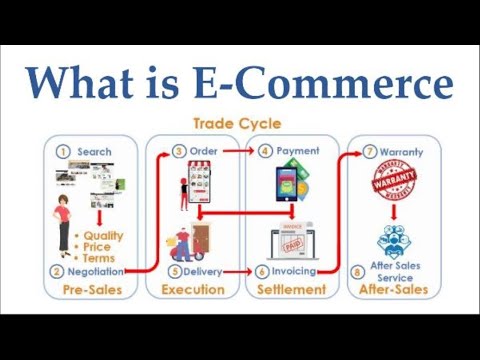
At its core, e-commerce — short for electronic commerce — refers to the buying and selling of goods or services using the internet, along with the transfer of money and data to execute these transactions. But the meaning has expanded far beyond simple online transactions. Today, e-commerce encompasses the entire customer lifecycle, from discovery and browsing to payment processing, fulfillment, post-purchase support, and brand loyalty building.
The global e-commerce market is projected to surpass $6.3 trillion by 2024, driven by shifts in consumer behavior, mobile adoption, and digital payment infrastructure. Understanding what e-commerce truly represents in this context means recognizing it as an ecosystem rather than a single channel. It integrates web design, digital marketing, logistics, customer relationship management, and data analytics into a unified growth engine.
For businesses entering this space, the stakes are high. Consumers now expect seamless checkout experiences, fast shipping, personalized recommendations, and responsive customer service. Falling short on any of these fronts can cost you market share in an increasingly competitive online environment.
The Major E-Commerce Business Models
Not all online businesses operate the same way. The model you choose determines your target audience, revenue streams, pricing strategy, and operational requirements. Here is a closer look at the primary e-commerce models that dominate the digital marketplace.
Business-to-Consumer (B2C)
B2C e-commerce is the most familiar model, where businesses sell directly to individual consumers. Think of retailers like Amazon, Zara, or niche brands selling handmade goods on Etsy. This model relies heavily on branding, emotional appeal, and frictionless purchasing experiences. Key focus areas include conversion rate optimization, cart abandonment reduction, and building repeat purchase behavior through email marketing and loyalty programs.
Business-to-Business (B2B)
B2B e-commerce involves transactions between businesses, such as a manufacturer selling raw materials to a retailer or a software company licensing tools to enterprise clients. These deals tend to have larger order values, longer sales cycles, and more complex procurement processes. Platforms like Alibaba and Faire specialize in connecting B2B buyers and sellers, and the trend toward self-service B2B portals is accelerating rapidly.
Consumer-to-Consumer (C2C)
C2C platforms empower individuals to sell products or services directly to other individuals. eBay, Craigslist, and Facebook Marketplace are prime examples. This model thrives on trust mechanisms like ratings, reviews, and escrow payment systems. For sellers, C2C offers a low barrier to entry, while buyers benefit from competitive pricing and unique or secondhand items.
Subscription-Based E-Commerce
Subscription e-commerce delivers products or services on a recurring schedule, generating predictable revenue streams. Companies like Dollar Shave Club, Birchbox, and Netflix (for digital content) have mastered this model. The key to success lies in value perception — customers must feel that the ongoing cost justifies the convenience and benefits they receive.
Key Trends Driving E-Commerce Growth

The online retail landscape is constantly evolving. Staying current with these trends is critical for maintaining a competitive edge.
- Social Commerce Integration — Platforms like Instagram, TikTok, and Pinterest are becoming full-fledged shopping channels, allowing users to purchase without ever leaving the app.
- AI-Powered Personalization — Machine learning algorithms analyze browsing behavior and purchase history to deliver tailored product recommendations, dynamic pricing, and personalized email campaigns.
- Voice Commerce — With smart speakers and voice assistants gaining traction, consumers are increasingly using voice search to find and buy products online.
- Sustainable and Ethical Shopping — Consumers are demanding transparency about sourcing, packaging, and carbon footprints, pushing brands to adopt greener practices.
- Omnichannel Retailing — Blending online stores with physical retail, click-and-collect services, and mobile apps creates a unified customer experience across every touchpoint.
Building a Winning E-Commerce Strategy
A successful e-commerce strategy goes far beyond setting up a website and listing products. It requires a holistic approach that covers technology, marketing, operations, and customer experience.
Choosing the Right E-Commerce Platform
Your platform is the foundation of your online store. Factors to consider include scalability, customization options, payment gateway integrations, and built-in SEO features. The table below compares some of the most popular e-commerce platforms to help you make an informed decision.
| Platform | Best For | Starting Price | Key Strength |
| Shopify | SMBs and startups | $39/month | Ease of use and app ecosystem |
| WooCommerce | WordPress users | Free (hosting extra) | Full customization and flexibility |
| BigCommerce | Growing mid-size brands | $39/month | Built-in features without transaction fees |
| Magento (Adobe Commerce) | Enterprise-level stores | Custom pricing | Scalability and advanced functionality |
| Squarespace | Creative and visual brands | $33/month | Stunning templates and design tools |
Optimizing for Mobile Commerce
More than 60% of global e-commerce traffic now comes from mobile devices. If your online store is not fully optimized for smartphones and tablets, you are leaving revenue on the table. Mobile optimization means fast page load times, responsive design, simplified navigation, thumb-friendly buttons, and a streamlined checkout process. Google’s mobile-first indexing also means that mobile performance directly impacts your search rankings.
Consider implementing progressive web apps (PWAs) to deliver an app-like experience without requiring users to download anything. PWAs offer offline functionality, push notifications, and faster load times — all factors that boost conversion rates and customer satisfaction.
SEO Best Practices for Online Stores
Search engine optimization remains one of the most powerful levers for driving organic traffic to your e-commerce site. Unlike paid advertising, SEO delivers compounding returns over time. Start with thorough keyword research focused on product-specific queries, buying intent phrases, and long-tail variations that align with how real shoppers search.
Optimize product pages with unique title tags, compelling meta descriptions, structured data markup for rich snippets, and high-quality images with descriptive alt text. Internal linking strategies help search engines understand your site architecture, while fast-loading pages improve both user experience and crawl efficiency. Technical SEO elements like sitemaps, canonical tags, and proper URL structures should never be overlooked.
Frequently Asked Questions
What are the most profitable e-commerce niches for beginners in 2024?
Health and wellness, pet products, sustainable goods, and digital products like online courses and templates consistently show strong profit margins for new sellers. The key is to choose a niche with sufficient demand, manageable competition, and a clear value proposition that differentiates you from established players.
How long does it take to launch a successful e-commerce store?

A basic e-commerce store can be launched in two to four weeks using platforms like Shopify or WooCommerce. However, building a truly profitable online business typically takes three to six months of consistent effort in product research, marketing, customer acquisition, and optimization. Patience and iterative improvement are crucial.
What is the difference between e-commerce and e-business?
E-commerce specifically refers to the buying and selling of goods and services online, while e-business encompasses the broader scope of conducting all business operations digitally, including supply chain management, customer relationship management, inventory systems, and internal communications.
How important is mobile optimization for e-commerce success?
Extremely important. With the majority of online shopping sessions starting on mobile devices, a poor mobile experience directly translates to lost sales. Mobile optimization affects not only conversion rates but also search engine rankings, since Google prioritizes mobile-friendly websites in its indexing and ranking algorithms.
Which payment gateways work best for international e-commerce?
Stripe, PayPal, and Adyen are widely regarded as the best payment gateways for international e-commerce due to their support for multiple currencies, local payment methods, fraud protection, and seamless integration with major e-commerce platforms. Offering diverse payment options significantly reduces cart abandonment among international buyers.
Can AI tools genuinely improve e-commerce conversion rates?
Yes. AI-powered tools for product recommendations, chatbot customer support, dynamic pricing, and personalized email marketing have demonstrated measurable improvements in conversion rates — often increasing them by 15% to 35% depending on implementation quality and the specific use case. The key is integrating AI tools that align with your customer journey rather than deploying them indiscriminately.
Final Thoughts
The world of e-commerce offers immense opportunity for those willing to invest time, strategy, and genuine effort into building something meaningful online. Success does not come from chasing every trend — it comes from understanding your customers, choosing the right business model, leveraging the best tools, and continuously refining your approach based on real data. Whether you are just starting out or looking to scale an existing online store, the principles outlined in this guide provide a solid foundation for long-term growth in the digital marketplace.