


Finding the right air compressor can feel overwhelming whether you are a weekend DIY enthusiast, a professional mechanic, or managing a busy industrial facility. The air compressor buying guide you are reading today cuts through the noise and gives you a clear, practical roadmap to making the best purchasing decision for your specific needs. Not all compressors are created equal, and the wrong choice can lead to underperformance, wasted energy, and frustrating downtime. This comprehensive guide walks you through compressor types, critical specifications like PSI and CFM, tank sizes, power sources, and real-world recommendations so you walk away with the perfect machine for your workshop or job site.
Understanding the Main Types of Air Compressors
Before diving into specifications and brands, it is essential to understand the different compressor types available on the market. Each design serves distinct purposes and comes with its own set of advantages and limitations.
Reciprocating (Piston) Compressors
Reciprocating air compressors use a piston driven by a crankshaft to compress air, similar to how a car engine works. These units are typically oil-lubricated and built for intermittent use, making them ideal for home garages, small workshops, and light-duty tasks like tire inflation, nail gun operation, and spray painting. They tend to be more affordable upfront and available in both single-stage and two-stage configurations. A two-stage piston compressor delivers higher pressure efficiency and cooler discharge air, which extends tool life and improves performance for heavier applications.
Rotary Screw Compressors
Rotary screw compressors use two interlocking helical rotors to compress air continuously. They are the go-to choice for professional and industrial environments where demand is constant and high. These machines run cooler, last longer, and require less maintenance than piston models. If you are running a body shop, a manufacturing floor, or a large construction operation, a rotary screw unit delivers reliable, uninterrupted airflow. They come in both oil-injected and oil-free variants, with oil-free models being preferred for applications where air purity matters, such as food processing or pharmaceutical production.
Portable and Diaphragm Compressors
For users who need mobility, portable electric compressors and diaphragm compressors offer compact, lightweight solutions. Diaphragm models use a flexible membrane instead of pistons, making them completely oil-free and ideal for sensitive environments. Portable tire inflators and small pancake compressors fall into this category and are excellent for on-the-go tasks like inflating tires, running lightweight pneumatic tools, or powering airbrush equipment.
Key Specifications You Must Evaluate
When comparing compressors, several technical specifications determine whether a unit will meet your operational demands. Ignoring these numbers is the number one mistake buyers make.
PSI and CFM Ratings Explained
PSI stands for pounds per square inch and measures the maximum pressure the compressor can generate. CFM, or cubic feet per minute, measures the volume of air delivered at a given pressure. Most pneumatic tools list their required CFM at a specific PSI. For example, an impact wrench might need 90 PSI and 4-5 CFM to operate properly. The golden rule is to choose a compressor that delivers at least 1.5 times the CFM your tools require. This buffer prevents the motor from cycling too frequently and ensures consistent performance under load.
Tank Size and Duty Cycle
Tank size directly affects how long you can run tools continuously before the compressor kicks back on. Larger tanks, such as 60-gallon or 80-gallon models, store more compressed air and reduce motor cycling, which extends the compressor’s lifespan. The duty cycle refers to the percentage of time a compressor can run within a ten-minute period. A 50% duty cycle means the unit can run for five minutes and must rest for five minutes. For heavy-duty work, look for compressors with a duty cycle of 70% or higher.
Power Source and Electrical Requirements
Air compressors run on electricity, gasoline, or diesel. Electric models are quieter, cleaner, and best suited for indoor workshops. Gas-powered units deliver higher output and portability for remote job sites where electrical outlets are unavailable. When selecting an electric compressor, check the amperage requirements and ensure your garage or facility can support the electrical load. A 240-volt compressor is often necessary for larger rotary screw or high-CFM piston units.
Best Air Compressors by Use Case
Choosing the right compressor depends heavily on what you plan to do with it. Below are practical recommendations for different user categories.
For Home Garage and DIY Projects
Most homeowners need a reliable, affordable unit that handles basic tasks like inflating tires, powering brad nailers, and running small impact wrenches. A single-stage piston compressor with a 2-6 gallon tank, around 150 PSI, and 2-4 CFM will cover the vast majority of home projects. Brands like California Air Tools, Makita, and DEWALT offer excellent budget-friendly options with low noise levels and minimal maintenance requirements.
For Professional Automotive and Body Shops
Professional shops demand continuous airflow and higher CFM ratings to power sanders, spray guns, impact wrenches, and multiple tools simultaneously. A two-stage piston compressor with an 80-gallon tank and 14-20 CFM output is a popular choice. Alternatively, a small rotary screw compressor provides even more consistent air delivery with lower noise and reduced maintenance costs over time.
For Industrial and Manufacturing Applications
Industrial settings require compressors built for 24/7 operation with large air demands. Rotary screw compressors in the 30-200 HP range are standard in factories, warehouses, and large construction sites. These units feature integrated aftercoolers, moisture separators, and advanced control systems that optimize energy consumption and reduce operating costs.
Comparison: Top Compressor Types at a Glance
| Feature | Piston (Reciprocating) | Rotary Screw | Portable/Diaphragm |
| Best For | Home workshops, DIY, intermittent use | Professional and industrial continuous use | Light tasks, mobility, sensitive environments |
| Typical CFM Range | 2-15 CFM | 10-200+ CFM | 0.5-3 CFM |
| Tank Size | 2-80+ gallons | Often tankless or large receivers | 1-6 gallons (or none) |
| Noise Level | Moderate to loud | Moderate (with sound enclosure) | Very quiet |
| Maintenance | Moderate (oil changes, valves) | Low (fewer moving parts) | Very low |
| Price Range | $300 – $3,000 | $2,000 – $20,000+ | $100 – $600 |
| Duty Cycle | 25-50% (standard), 70%+ (heavy duty) | 100% continuous | Intermittent |
Expert Tips for Making the Right Purchase
- Always calculate your total CFM demand. Add up the CFM requirements of every tool you plan to run simultaneously and multiply by 1.5 for a comfortable safety margin.
- Invest in a receiver tank if your compressor cycles frequently. A larger tank reduces motor wear, lowers electricity costs, and provides a steady air supply without constant refilling.
- Consider an oil-free compressor for indoor use. Oil-free piston and rotary screw models eliminate the risk of oil contamination in your workspace and reduce maintenance intervals.
- Look for compressors with thermal overload protection. This safety feature prevents motor burnout during extended use or under high ambient temperatures.
- Factor in total cost of ownership. A cheaper compressor with poor energy efficiency or frequent repair needs will cost more over five years than a quality unit with a slightly higher upfront price.
- Check warranty terms and local service availability. A strong warranty and accessible parts and service network can save you significant headaches down the road.
Common Mistakes to Avoid When Buying an Air Compressor
- Underestimating CFM requirements and ending up with a unit that cannot keep up with your tools
- Choosing a compressor based solely on tank size without considering the actual air delivery rate
- Ignoring electrical requirements and installing a unit that trips breakers or overloads circuits
- Purchasing a gas-powered compressor for indoor use, exposing yourself to carbon monoxide and exhaust fumes
- Skipping the need for an air dryer or moisture separator, which leads to rust in tools and ruined paint jobs
Frequently Asked Questions
What size air compressor do I need for a home garage?
For most home garage applications, a single-stage piston compressor with a 6-gallon tank, 150 PSI max, and at least 4 CFM is sufficient. This handles tire inflation, brad nailers, and small impact wrenches without straining the motor. If you plan to run an impact wrench and a sander simultaneously, look for a unit delivering 6-8 CFM with a 20-gallon or larger tank.
How important is CFM compared to PSI when choosing a compressor?
CFM is arguably more important for tool performance because it determines how much air is available for sustained operation. PSI tells you the maximum pressure, but if your compressor cannot deliver enough CFM, your tools will stall or lose power. Always match your compressor’s CFM output to the combined requirements of all tools you plan to use at the same time.
Can I use an air compressor for painting cars?
Yes, but automotive painting requires clean, dry, and oil-free air. An oil-free rotary screw compressor or a two-stage piston compressor paired with a moisture separator and air dryer is ideal for spray booth applications. Aim for a minimum of 10-14 CFM at 40 PSI for HVLP spray guns, and ensure your compressor can sustain that output without excessive cycling.
Are oil-free compressors worth the extra cost?

Absolutely, especially for indoor workshops and applications requiring clean air. Oil-free compressors eliminate the risk of oil carrying over into your air tools or finished products. They also require less maintenance since you do not need to monitor oil levels or schedule oil changes. While they may cost slightly more upfront, the long-term savings in maintenance and the protection of sensitive tools make them a smart investment.
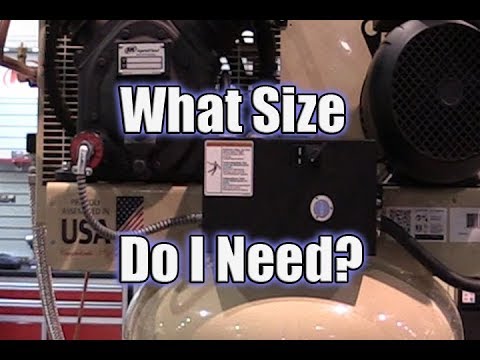
What is the difference between a single-stage and a two-stage air compressor?
A single-stage compressor compresses air in one piston stroke, typically delivering up to 150 PSI. A two-stage compressor passes the air through a second piston for a second compression stage, achieving pressures up to 200 PSI or more with cooler, drier output. Two-stage models are more efficient, run cooler, and last longer, making them the preferred choice for professional and industrial users who demand consistent, high-volume airflow.
How do I reduce moisture in my compressed air system?
Moisture is a common issue that can damage tools and ruin paint jobs. Install an aftercooler or air dryer downstream of your compressor, use a moisture separator or air filter with a water trap, and drain your tank regularly. For critical applications like painting or pneumatic instrumentation, a refrigerated or desiccant dryer ensures virtually moisture-free air delivery throughout your system.
Final Thoughts
Selecting the right air compressor comes down to matching the machine to your actual needs rather than getting swayed by flashy marketing claims or the lowest sticker price. Understand the types available, learn to read PSI and CFM ratings, evaluate tank size and duty cycle, and factor in your power supply and workspace constraints. Whether you are outfitting a home garage with a compact pancake compressor or powering an entire factory floor with a heavy-duty rotary screw unit, the information in this air compressors buying guide gives you the confidence to buy smart. Take your time, compare your options carefully, and invest in a compressor that will deliver reliable performance for years to come.