


Choosing the perfect basketball hoop for your home can be a game-changer for your outdoor fitness routine. Whether you are a parent looking to give your kids a reason to step outside, a serious athlete practicing jump shots, or simply someone who loves the game, navigating the world of basketball hoop buying can feel overwhelming. The sheer variety of options—from portable driveway hoops to professional-grade in-ground courts—means that understanding the core features is essential for making a smart purchase. This basketball hoop buying guide cuts through the noise, providing expert insights to make an informed decision. We will break down everything from backboard materials and rim types to the crucial differences between portable and in-ground systems, ensuring you invest in a setup that lasts for years.
Types of Basketball Hoop Systems

Before diving into specific brands or features, you must understand the three primary categories of basketball systems. Each type serves a different purpose, space requirement, and skill level.
Portable Basketball Systems
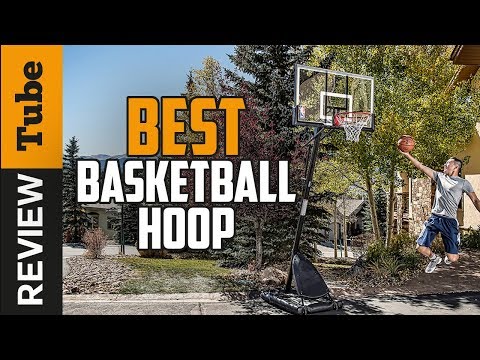
Also known as wheeled or adjustable systems, portable basketball hoops are the most popular choice for residential driveways. These units come with a built-in base that can be filled with water or sand for stability. The biggest advantage is mobility—you can easily roll it out of the way when you need to mow the lawn. For families with younger children, adjustable height features are a massive plus, allowing the rim to drop down to junior levels and rise up to standard heights as the kids grow.
In-Ground Basketball Hoops
An in-ground basketball hoop is set directly into a concrete foundation, offering unparalleled stability and a professional feel. If you have a dedicated court or a permanent outdoor space where mobility is not a concern, an in-ground system is the way to go. These setups feature larger, heavier backboards built to withstand aggressive play. However, installation requires significant effort, including digging a hole, pouring concrete, and waiting for the curing process. For those seeking a permanent home gym setup, this is the gold standard.
Wall-Mounted Systems
If you lack space for a freestanding pole or the budget for an in-ground installation, a wall-mounted basketball hoop is your best bet. These systems bolt directly onto the side of a garage, shed, or wall. They are incredibly space-efficient and provide a rigid, stable playing surface for shooting around corners. Just ensure the structure you are mounting it to can handle the constant impact and weight of the system without causing damage to the building.

Backboard Materials: Acrylic vs Polycarbonate vs Tempered Glass
The backboard is arguably the most important component of your basketball system, influencing both playability and durability. Backboards come in three primary materials, each offering a distinct feel and price point.
Acrylic Backboards
Acrylic backboards are the standard for entry-level and recreational play. They are clear, weather-resistant, and more durable than traditional wooden boards. However, they tend to flex on impact, which can alter the ball’s bounce slightly. Acrylic is best suited for casual shooting and light practice rather than aggressive dunking.
Polycarbonate Backboards
Polycarbonate is a significant step up from acrylic. This material is virtually shatterproof and highly impact-resistant, making it an excellent choice for younger players or those who play aggressively outdoors. Polycarbonate backboards provide a more rigid feel than acrylic, offering a truer basketball bounce that simulates indoor court conditions. They are a fantastic middle-ground option for families looking for long-term durability without breaking the bank.
Tempered Glass Backboards
Tempered glass is the material of choice for professional and serious competitive play. You will find this on NBA and NCAA courts. It offers the best rebound response and the most authentic playing experience. Tempered glass is incredibly rigid, providing a consistent, professional bounce. However, it is the most expensive option and, while designed to shatter into safe granules if broken, it is a significant investment best suited for dedicated players.
Rim Types and Breakaway Features
When you are going through a basketball hoop buying guide, never overlook the rim. The rim is the point of contact for every shot and dunk. Standard fixed rims are bolted directly to the backboard and are common on budget-friendly systems. While they work fine for casual shooting, they do not absorb impact. For anyone who plans to dunk or hang on the rim, a breakaway rim is an absolute necessity. These rims are designed to flex and snap back into place upon impact, protecting the backboard from shattering and preventing wrist injuries. Always look for a system with a double-rim or a heavy-duty single breakaway rim if durability is a priority.
Regulation Size vs. Recreational Size
Understanding basketball hoop dimensions helps you choose the right fit. A regulation basketball hoop has a rim diameter of 18 inches and is mounted at exactly 10 feet high. The standard backboard size for regulation play is 72 inches wide by 42 inches tall. For recreational play, youth players or those just starting out will benefit from a smaller backboard and an adjustable rim height. If you are serious about improving your game, investing in a regulation-sized system from the start will save you from having to upgrade later.
Comparison Table: Portable vs. In-Ground Systems
Still struggling to decide between a portable and an in-ground setup? Here is a quick comparison to help you visualize the differences.
| Feature | Portable System | In-Ground System |
| Mobility | High (wheeled base) | None (permanent concrete) |
| Stability | Moderate (subject to wind) | Excellent (concrete foundation) |
| Installation Effort | Low (fill with water/sand) | High (excavation and pouring) |
| Typical Backboard Size | 44 inches to 60 inches | 60 inches to 72 inches |
| Best For | Renters, casual play, limited space | Serious players, permanent courts |
Expert Tips for Choosing the Right Hoop
Buying a basketball hoop is a significant investment, and you want to make sure you get the most value out of your purchase. Here are some expert recommendations:
- Measure Your Available Space: Before purchasing, measure the area where you plan to install the hoop. Ensure you have enough room for a comfortable shooting range and a safe landing zone.
- Check the Warranty: Durable basketball systems are an investment. Look for manufacturers that offer comprehensive warranties on the pole, backboard, and rim. A solid warranty saves you money on repairs down the road.
- Consider the Ground Surface: If you live in an area with harsh winters, an in-ground system with a concrete anchor is much safer than a portable system that could topple over in icy conditions.
- Don’t Skimp on the Pole: The pole is the backbone of your system. Look for round poles rather than square ones, as they offer better ball response off the backboard and thicker gauge steel provides better stability.
- Evaluate the Base Capacity: For portable systems, the base holds the entire unit upright. A larger water or sand capacity provides better stability, especially if you live in a windy area or have older children who love to hang on the rim.
Finding the Right Hoop for Every Skill Level
Whether you are just starting out or fine-tuning your professional game, there is a perfect setup for you.
Beginner Hoop Recommendations
If you are buying a hoop for kids or someone just picking up the sport, a portable system with an acrylic backboard and an adjustable height mechanism is the best starting point. Look for systems with a base capacity of at least 35 gallons to ensure they do not tip over easily.
Intermediate Hoop Recommendations
For the intermediate player looking to refine their shooting stroke and practice rebounding, upgrade to a portable system with a polycarbonate backboard and a size closer to 54 or 60 inches. A breakaway rim is essential at this stage to allow for safe dunking practice and to protect the equipment.
Advanced Hoop Recommendations
Serious players and dedicated home courts should opt for an in-ground system featuring a regulation-sized tempered glass backboard and a professional-grade double rim. This setup mimics the feel of a professional court and provides the authentic rebound response required for high-level training.
Conclusion
Investing in the right basketball system transforms your backyard into a personal training facility. By carefully considering the type of system, backboard material, rim style, and installation requirements outlined in this guide, you can find a setup that perfectly fits both your available space and your personal ambitions. Use this basketball hoop buying guide as your roadmap, and you will be shooting hoops with confidence in no time. Choose a system that will bring you joy for seasons to come.
Frequently Asked Questions
What size basketball hoop is best for a driveway?
For most residential driveways, a 54-inch to 60-inch backboard provides the best balance of playability and space management. A 54-inch backboard is sufficient for casual shooting and youth practice, while a 60-inch backboard offers a more professional feel and allows for better rebounding practice.
How tall should a basketball hoop be for a 10-year-old?
For a 10-year-old, the recommended rim height is typically 8 to 9 feet. This allows the child to develop proper shooting form without straining to reach the basket. Many portable systems feature adjustable height settings, making it easy to lower the rim for younger players and raise it as they grow.

Is an in-ground or portable basketball hoop better?
The answer depends entirely on your needs. Portable basketball hoops are better for renters or those with limited space who want flexibility. In-ground basketball hoops are superior for permanent installations, offering maximum stability and a professional playing experience that is unmatched by portable units.
What is the best material for a basketball backboard?
For the most authentic playing experience, tempered glass is the best material for a basketball backboard. It provides the truest rebound and is used in professional arenas. However, for residential use, polycarbonate is an excellent alternative, offering superior durability and impact resistance at a fraction of the cost, making it the best all-around choice for most families.
How do I install a basketball hoop?
Installation varies by system type. For portable basketball systems, simply assemble the pole, attach the backboard, and fill the base with water or sand. For in-ground basketball hoops, you will need to dig a hole, set a concrete anchor, and assemble the pole. Always follow the manufacturer’s instructions carefully, and consider hiring a professional if you are not comfortable with concrete work or heavy lifting.
What is a breakaway rim and why do I need one?
A breakaway rim is designed to flex and snap back into place when force is applied, such as during a dunk or when hanging on the rim. You need a breakaway rim to protect the backboard from shattering and to prevent wrist injuries. It is an essential feature for anyone who plays aggressively or wants to preserve the longevity of their basketball hoop system.