


The world of beauty products has evolved dramatically over the past decade, moving far beyond basic makeup and soap to encompass sophisticated skincare science, clean formulations, and personalized routines tailored to every skin type and concern. Whether you are just starting your beauty journey or you are a seasoned enthusiast looking to refine your lineup, understanding what makes quality beauty products tick is the first step toward healthier, more radiant skin. This guide breaks down everything you need to know—from ingredient labels and skin typing to building a routine that actually delivers visible results.
Understanding Beauty Products: What They Really Are
At their core, beauty products encompass a broad category of items designed to cleanse, protect, treat, or enhance the appearance of skin, hair, and nails. This includes everything from daily moisturizers and serums to foundations, masks, and specialized treatments. The modern beauty industry spans thousands of brands, formulations, and price points, which is both exciting and overwhelming for consumers.
The Core Categories of Beauty Products
To navigate the beauty aisle—or your online shopping cart—effectively, it helps to understand the major product categories:
- Cleansers and Toners: The foundation of any skincare routine, removing dirt, oil, and impurities without stripping the skin barrier.
- Moisturizers and Sunscreens: Products that hydrate and protect the skin from environmental damage, UV rays, and premature aging.
- Serums and Treatments: Concentrated formulas targeting specific concerns like fine lines, hyperpigmentation, acne, or dehydration.
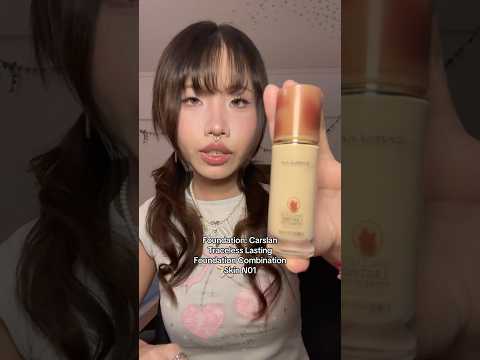
- Makeup and Cosmetics: Products like foundation, lipstick, eyeshadow, and blush designed to enhance or alter appearance.
- Hair Care and Body Products: Shampoos, conditioners, body lotions, and scrubs that complete the overall beauty regimen.
- Tools and Accessories: Brushes, sponges, cleansing devices, and rollers that maximize product effectiveness.
How to Choose the Best Beauty Products for Your Skin Type

Selecting the right beauty supplies starts with knowing your skin type. Using a heavy, oil-based moisturizer on oily skin will only clog pores, while a lightweight gel cleanser on dry, sensitive skin can leave it feeling tight and irritated. Here is a quick breakdown to help you identify what works for you:
- Normal Skin: Balanced, few imperfections, and a comfortable texture. Most products work well, but prioritize maintaining your skin’s natural equilibrium.
- Oily Skin: Prone to shine, enlarged pores, and breakouts. Look for non-comedogenic, oil-free formulations with ingredients like salicylic acid or niacinamide.
- Dry Skin: Often feels tight, flaky, or rough. Rich cream-based moisturizers and hydrating serums with hyaluronic acid and ceramides are essential.
- Combination Skin: A mix of oily zones (typically the T-zone) and dry areas. Lightweight, balanced formulas work best here.
- Sensitive Skin: Reactive to fragrances, dyes, and harsh actives. Fragrance-free, hypoallergenic, and mineral-based products are your safest bet.
Top Ingredients That Make Beauty Products Work
Reading ingredient lists can feel like decoding a chemistry textbook, but a few key players stand out for their proven efficacy. When shopping for cosmetics and skincare products, keep an eye out for these scientifically backed ingredients:
| Ingredient | Primary Benefit | Best For |
| Hyaluronic Acid | Deep hydration and plumping | All skin types, especially dry skin |
| Retinol | Cell turnover and anti-aging | Mature skin, fine lines, uneven texture |
| Niacinamide | Pore minimization and brightening | Oily, acne-prone skin |
| Vitamin C | Antioxidant protection and brightening | Dull skin, hyperpigmentation |
| Salicylic Acid | Exfoliation and acne control | Oily and acne-prone skin |
| Ceramides | Barrier repair and moisture retention | Dry, sensitive, and eczema-prone skin |
Understanding these ingredients empowers you to pick beauty essentials that align with your specific goals rather than relying on marketing claims alone.
Beginner, Intermediate, and Advanced Beauty Routines
Beginner Level: Keep It Simple
If you are new to a structured skincare and beauty routine, start with the basics. A gentle cleanser, a daily moisturizer with SPF, and a lightweight serum form the holy trinity of beginner beauty products. Resist the temptation to layer ten products at once—your skin needs time to adjust, and simplicity reduces the risk of irritation.
Intermediate Level: Targeted Treatments
Once you have a solid foundation, introduce actives like retinol, exfoliating acids, or targeted eye creams. At this stage, it is wise to patch-test new cosmetics and introduce one product at a time so you can identify what works and what does not.
Advanced Level: Professional-Grade Formulations
Advanced enthusiasts often explore prescription-strength retinoids, professional chemical peels, and multi-step Korean or Japanese beauty routines. These consumers prioritize product efficacy, ingredient concentration, and formulation technology, often investing in premium beauty supplies from dermatological brands.
Comparing Popular Beauty Product Types
Not all beauty products are created equal, and price does not always equal performance. Here is a comparison of three popular product types to help you make informed decisions:

| Feature | Drugstore Brands | Mid-Range Brands | Luxury Brands |
| Price Range | $5–$20 | $20–$60 | $60–$200+ |
| Ingredient Quality | Good, functional actives | Often dermatologist-tested | Cutting-edge research |
| Packaging | Basic, functional | Attractive, user-friendly | Premium, travel-friendly |
| Accessibility | Widely available | Stores and online | Specialty retailers |
| Best For | Budget-conscious beginners | Routine-driven users | Ingredient-focused consumers |
The best beauty products are the ones that suit your skin, address your concerns, and fit comfortably within your routine and budget.
Expert Tips for Building an Effective Beauty Routine
Dermatologists and estheticians consistently recommend a few principles that separate effective routines from wasted money and potential skin damage:
- Always wear sunscreen. No beauty product can fully reverse sun damage, and SPF is the single most important step for preventing premature aging.
- Patch test new products. Apply a small amount behind your ear or on your inner wrist and wait 24–48 hours before applying it to your face.
- Layer products thinnest to thickest. Serums and treatments go first, followed by moisturizers, and sunscreen last in the morning.
- Cleanse twice a day. Morning cleansing removes overnight oil buildup, while evening cleansing clears away makeup, sunscreen, and daily pollutants.
- Do not over-exfoliate. Two to three times per week is sufficient for most skin types; daily use of strong acids can compromise your skin barrier.
- Check expiration dates. Expired beauty supplies lose their effectiveness and can harbor bacteria, leading to breakouts and irritation.
These practical strategies apply whether you are exploring affordable cosmetics or investing in high-end formulations.
Frequently Asked Questions About Beauty Products
What are the best beauty products for sensitive skin?
For sensitive skin, look for fragrance-free, hypoallergenic formulations that avoid common irritants like alcohol, sulfates, and synthetic dyes. Brands like CeraVe, La Roche-Posay, and Vanicream are frequently recommended by dermatologists for their gentle, barrier-supporting formulations. Always patch test and introduce new products slowly.
How often should I replace my beauty products?
Most skincare products last six to twelve months after opening, indicated by the PAO (Period After Opening) symbol on the packaging. Mascara should be replaced every three to four months, while foundation typically lasts six to twelve months. Using expired cosmetics increases the risk of bacterial contamination and skin reactions.
Can I use drugstore beauty products alongside luxury brands?
Absolutely. Many drugstore brands use the same active ingredients found in luxury products at a fraction of the cost. The key is to focus on ingredient lists and formulation quality rather than brand prestige alone. A well-curated routine might include a mid-range cleanser, a drugstore sunscreen, and a luxury serum.
What is the difference between skincare and cosmetics?
Skincare products are designed to treat, protect, and improve the health of your skin—think cleansers, serums, and moisturizers. Cosmetics, on the other hand, are intended to enhance or alter appearance, such as foundation, lipstick, and eyeshadow. The best beauty routines integrate both categories for healthy, beautiful-looking skin.
Are natural and organic beauty products always better?
Not necessarily. “Natural” and “organic” are unregulated marketing terms in many regions. While some plant-derived ingredients offer genuine benefits, others can cause irritation or allergic reactions. Synthetic ingredients are not inherently harmful—many are rigorously tested and highly effective. Focus on ingredient safety and compatibility with your skin rather than marketing labels.
What beauty products should I start with as a complete beginner?
Start with a gentle cleanser, a daily moisturizer with SPF, and a basic vitamin C or hyaluronic acid serum. These three products address cleansing, hydration, protection, and early anti-aging without overwhelming your routine. Once you are comfortable, you can add targeted treatments like retinol or exfoliants.
Final Thoughts
The beauty product landscape is vast, but knowledge is your greatest asset. By understanding your skin type, learning to read ingredient lists, and building a routine that evolves with your needs, you can navigate the world of cosmetics and skincare with confidence. The best beauty routine is not the most expensive or the most complex—it is the one that is consistent, thoughtful, and aligned with your unique skin goals. Start simple, stay curious, and let your skin guide you toward the products that truly work.