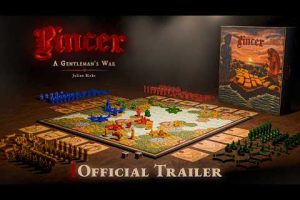
Board games have experienced a remarkable renaissance over the past decade, transforming from dusty shelves in thrift stores into the centerpiece of game nights, family gatherings, and even professional esports arenas. Whether you are a casual player looking for a fun evening activity or a dedicated hobbyist hunting for the next strategic masterpiece, the world of modern board gaming offers something genuinely exceptional. This guide dives deep into what makes tabletop board games so captivating, explores the best titles across every skill level, and provides practical advice for building a collection that delivers hours of entertainment.
What Are Board Games and Why They Still Matter in 2025
A board game is any game that involves counters or pieces moved or placed on a pre-marked surface or board, according to a set of rules. However, that simple definition barely scratches the surface of what modern board gaming has become. Today’s tabletop titles range from elegantly simple roll-and-move experiences to sprawling narrative-driven epics that can last an entire weekend. The resurgence of board games is not a passing trend; it reflects a deeper human craving for face-to-face interaction, tactile engagement, and shared experiences that digital screens simply cannot replicate.
The board game industry has seen double-digit growth year after year, with crowdfunding platforms like Kickstarter and Gamefound launching thousands of innovative projects annually. Titles like Catan, Ticket to Ride, and Gloomhaven have become household names, proving that strategic tabletop entertainment appeals to players of all ages. The social and cognitive benefits of these games make them far more than a pastime — they are tools for connection, learning, and mental sharpness.
The Best Board Games for Every Player Level
Selecting the right game depends heavily on your experience level and the group you are playing with. Below is a breakdown of standout titles organized by difficulty and complexity.
Best Board Games for Beginners
Starting out in the hobby can feel overwhelming, but these accessible titles ease new players into strategic thinking without frustration:
- Ticket to Ride — A straightforward route-building game where players collect train cards and claim railway routes across a map. Easy to learn in 15 minutes.
- Carcassonne — Players place tiles and deploy meeples to claim territories. Its elegant simplicity makes it a perfect gateway game.
- Codenames — A word-based party game ideal for larger groups that requires teamwork and creative thinking.
- King of Tokyo — A dice-rolling combat game themed around giant monsters battling for city supremacy.
Best Board Games for Intermediate Players
Once you have mastered the basics, these titles introduce deeper mechanics and more strategic layers:
- Catan — A resource-trading and settlement-building classic that rewards negotiation and adaptability.
- Pandemic — A cooperative experience where players work together to stop global disease outbreaks before time runs out.
- Wingspan — A beautifully illustrated engine-building game centered on attracting birds to wildlife reserves.
- Terraforming Mars — Players take on corporate roles to transform the Red Planet into a habitable world through resource management and long-term planning.

Best Board Games for Advanced Players
For seasoned tabletop enthusiasts seeking complexity and depth, these heavy strategy titles deliver unparalleled engagement:
- Gloomhaven — A legacy dungeon-crawling adventure with a branching narrative, tactical combat, and over 100 hours of gameplay.
- Twilight Imperium (Fourth Edition) — A grand strategy game for six to eight players set in a galactic empire, often lasting well beyond a single sitting.
- Spirit Island — A cooperative game where players control powerful spirits defending their island from colonizing invaders.
- Arkham Horror: The Card Game — A living card game blending narrative storytelling with strategic deck-building in the Lovecraftian universe.
Board Games vs. Digital Games: A Head-to-Head Comparison
With the rise of digital entertainment, many people wonder whether traditional tabletop board games still hold an edge. The comparison below highlights key differences that matter to most players.
| Category | Board Games | Digital Games |
| Social Interaction | Face-to-face communication, reading body language, shared physical space | Online multiplayer, voice chat, but lacks physical presence |
| Setup Time | 5–30 minutes depending on complexity | Instant launch, but updates and patches can be time-consuming |
| Replay Value | High, especially in legacy and branching-narrative titles | Variable; procedural generation helps but can feel repetitive |
| Cost Per Hour | Low after initial purchase; no subscription fees | Often requires ongoing purchases, battle passes, or subscriptions |
| Learning Curve | Rulebooks can be dense; hands-on experience speeds learning | Tutorials are built-in but can be shallow or hand-holding |
| Portability | Bulky boxes and components; less convenient for travel | Highly portable on phones, tablets, and laptops |
| Cognitive Benefits | Strong evidence for improved memory, problem-solving, and social cognition | Moderate benefits; eye strain and screen fatigue are common drawbacks |
The clear advantage of physical board games lies in the irreplaceable human connection they foster. Sitting across from friends or family, laughing over a failed strategy or celebrating a hard-won victory, creates memories that a screen simply cannot replicate.
The Cognitive and Social Benefits of Playing Board Games

Research consistently supports what board game enthusiasts have long suspected — playing tabletop games provides measurable benefits for mental health and interpersonal relationships.
Cognitive advantages include improved memory retention, enhanced pattern recognition, and stronger critical thinking skills. Games that require resource management or multi-step planning exercise the prefrontal cortex, which governs decision-making and executive function. Studies published in journals such as the American Journal of Play have linked regular board game participation to slower cognitive decline in older adults.
Social and emotional benefits are equally significant. Cooperative board games like Pandemic and Spirit Island teach communication, compromise, and collective problem-solving. Even competitive titles encourage sportsmanship, emotional regulation, and the ability to read other players’ intentions. For families, these shared experiences strengthen bonds and create traditions that children carry into adulthood.
How to Choose the Right Board Game for Your Group
Choosing the perfect game for your next gathering does not need to be complicated. Consider these practical factors before making a purchase:
- Group Size — Some games shine with two players (like Patchwork or 7 Wonders Duel), while others require four or more participants. Always check the recommended player count on the box.
- Play Time — Casual sessions under an hour call for lighter games like Sushi Go!, while dedicated evenings can accommodate marathon titles like Twilight Imperium.
- Complexity Tolerance — If your group prefers quick, intuitive games, stick to gateway titles. If everyone loves deep strategy, invest in heavier eurogames or wargames.
- Theme Preference — Theme matters more than people realize. History buffs may gravitate toward Through the Ages, while fantasy fans might prefer Gloomhaven.
- Replayability — Look for games with modular boards, randomized elements, or legacy mechanics that keep each session fresh and unpredictable.
Expert tip: Visit your local board game café before buying. Most cafés allow you to play games on-site, giving you a real feel for the mechanics, table presence, and enjoyment level before committing your budget.
Building a Beginner-Friendly Board Game Collection
If you are starting from scratch, you do not need to spend hundreds of dollars to build a satisfying collection. Here are five foundational titles that cover a wide range of mechanics and player preferences:
| Game | Players | Play Time | Key Mechanic |
| Ticket to Ride | 2–5 | 30–60 min | Route Building |
| Carcassonne | 2–5 | 30–45 min | Tile Placement |
| Pandemic | 2–4 | 45 min | Cooperative Strategy |
| Catan | 3–4 (expandable) | 60–90 min | Trading & Resource Management |
| Codenames | 4+ | 15–30 min | Word Association & Deduction |
These five games alone introduce players to route building, tile placement, cooperative play, economic strategy, and word deduction — five of the most popular mechanics in the modern hobby. From this foundation, expanding into more specialized titles becomes natural and exciting.
Frequently Asked Questions
What are the easiest board games to learn for complete beginners?
Ticket to Ride and Carcassonne consistently rank as the easiest board games for newcomers. Both have rules that can be explained in under ten minutes, and their mechanics rely on intuitive spatial reasoning rather than complex calculations. Codenames is also an outstanding option for larger groups who want a low-barrier entry point.
How long does it take to learn a strategy board game like Gloomhaven?
Gloomhaven has a steep learning curve that typically requires two to three full sessions to master. The rulebook runs over 100 pages, and the combat system involves card-driven initiative and position-based movement. However, most groups report that the first scenario takes about four hours, and by the fourth scenario, players are navigating the systems comfortably.
What is the difference between a board game and a card game?
The primary distinction lies in the components and playing surface. Traditional board games rely on a physical board, tiles, or a defined playing area alongside cards, dice, or pieces. Card games like Dominion or Magic: The Gathering center their mechanics entirely on a deck of cards, often without a board. Many modern titles blur this line, incorporating both board elements and card-driven systems.
Are board games a good investment for families with young children?
Absolutely. Age-appropriate board games like Rhino Hero, My First Castle Conquest, and The Sneaky, Snacky Squirrel Game develop critical skills in young children, including turn-taking, color recognition, counting, and patience. The American Academy of Pediatrics actively recommends cooperative tabletop activities as alternatives to passive screen time for children under twelve.
Where can I find board game recommendations tailored to my group?
BoardGameGeek remains the most comprehensive community-driven resource for board game recommendations. The site features user reviews, ratings, and detailed mechanic tags that let you filter games by player count, complexity, duration, and theme. Local board game cafés and hobby shops also offer hands-on trials and expert staff recommendations that online reviews cannot match.
Final Thoughts on the World of Board Gaming
The board game hobby is thriving more than ever, fueled by inventive designers, passionate communities, and a universal human desire for meaningful, screen-free entertainment. Whether you are drawn to the elegant simplicity of a two-player duel or the epic scope of a six-hour strategy session, there has never been a better time to explore what tabletop gaming has to offer. Start with a gateway title that matches your group’s comfort level, invest in a few quality games that spark genuine excitement, and watch as your collection — and your connections with the people you play with — grows into something truly special. The table is waiting; all you need to do is roll the dice.