


When most people search for the best diet foods, what they really want is a clear, no-nonsense list of foods that actually help them lose weight, feel energized, and sustain long-term health. The truth is, there is no single magic food that melts away fat overnight. But certain nutrient-dense options stand out because of their ability to curb hunger, stabilize blood sugar, boost metabolism, and deliver essential vitamins without excessive calories. Whether you are just starting your weight loss journey or you are a seasoned health enthusiast looking to refine your meal plan, this guide covers the most effective diet foods backed by nutrition science, practical advice, and real-world strategies that work.
What Are the Best Diet Foods?
Understanding Nutrient Density and Why It Matters
The foundation of any successful diet plan revolves around nutrient density. This means choosing foods that pack a high amount of vitamins, minerals, fiber, protein, and healthy fats relative to their calorie content. When you prioritize nutrient-dense whole foods, you naturally reduce cravings, prevent overeating, and give your body the fuel it needs to function optimally. The best diet foods are not about deprivation; they are about making every bite count. Think of foods that deliver maximum nutrition per calorie, keeping you full longer and supporting your body’s natural fat-burning processes.
Top Best Diet Foods for Weight Loss and Fat Burning
Lean Proteins That Keep You Full
Protein is the single most important macronutrient for anyone serious about losing weight and maintaining lean muscle mass. High-protein foods increase thermogenesis, meaning your body burns more calories digesting them compared to fats or carbohydrates. They also promote satiety by regulating hunger hormones like ghrelin and leptin.
Here are the top lean protein choices you should build your meals around:
- Chicken breast — One of the most calorie-efficient protein sources available, with roughly 31 grams of protein per 100 grams and minimal fat.
- Salmon and fatty fish — Rich in omega-3 fatty acids that reduce inflammation, support brain health, and aid in fat metabolism.
- Eggs — A complete amino acid profile with healthy fats and essential nutrients like choline, which supports liver function and cognitive health.
- Greek yogurt — Packed with casein protein that digests slowly, keeping you full for hours and supporting gut health through probiotics.
- Turkey and lean ground beef — Excellent sources of iron, B vitamins, and zinc alongside high-quality protein.
High-Fiber Vegetables and Leafy Greens

Vegetables are the unsung heroes of any fat-loss diet. They are extremely low in calories yet rich in fiber, water content, and micronutrients that keep your digestive system running smoothly and your hunger in check. The best vegetables to include in your diet plan are broccoli, spinach, kale, Brussels sprouts, cauliflower, bell peppers, and zucchini. These foods have a high volume-to-calorie ratio, meaning you can eat generous portions without derailing your calorie goals.

Leafy greens like spinach and kale deserve special mention because they contain thylakoids, compounds that have been shown in studies to slow fat digestion and reduce cravings for unhealthy snacks.
Healthy Fats That Support Weight Management
Contrary to outdated diet advice, healthy fats are essential for fat loss. The key is choosing unsaturated fats found in whole, minimally processed sources. These fats support hormone production, improve nutrient absorption, and provide sustained energy that keeps you from reaching for sugary snacks.
- Avocados — Loaded with monounsaturated fats, potassium, and fiber. Half an avocado added to a meal significantly increases satiety.
- Extra virgin olive oil — A cornerstone of the Mediterranean diet, rich in oleic acid and antioxidants that combat oxidative stress.
- Almonds, walnuts, and chia seeds — Nutrient powerhouses that deliver healthy fats, protein, and fiber in small portions.
- Dark chocolate (70%+ cacao) — In moderation, this provides flavonoids that support heart health and can actually reduce stress-related overeating.
Best Diet Foods for Beginners: Where to Start
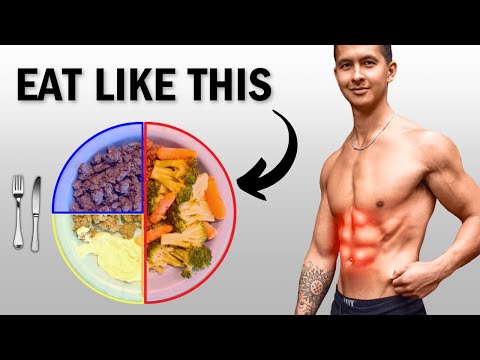
If you are new to structured eating for weight loss, the simplest approach is to focus on whole, single-ingredient foods. Avoid processed products with long ingredient lists full of added sugars, refined oils, and preservatives. Start by swapping out refined carbohydrates for complex ones, replacing sugary drinks with water or herbal teas, and adding a source of protein and vegetables to every meal.
Beginner-friendly meal template:
- Breakfast: Eggs cooked in olive oil with a side of spinach and whole-grain toast.
- Lunch: Grilled chicken breast over a large mixed greens salad with avocado, cherry tomatoes, and a lemon-olive oil dressing.
- Dinner: Baked salmon with steamed broccoli and a small portion of quinoa or sweet potato.
- Snacks: Greek yogurt with a handful of berries, or a small portion of almonds and an apple.
This framework is simple enough to follow consistently, which is the most critical factor in any diet’s success. Consistency always beats perfection.
Advanced Strategies for Intermediate and Advanced Dieters
Once you have established a solid foundation of whole foods and consistent eating habits, you can fine-tune your approach for better results. Advanced strategies include periodizing your carbohydrate intake around workouts, incorporating intermittent fasting windows to improve insulin sensitivity, and cycling between higher-protein and moderate-carb days to prevent metabolic adaptation. Another powerful technique is food combining — pairing fiber-rich vegetables with protein and healthy fats at every meal to maximize nutrient absorption and extend the feeling of fullness.
Additionally, advanced dieters benefit from tracking macronutrients temporarily to identify hidden calorie sources and ensure they are not unknowingly overeating. Apps and food journals can reveal patterns that lead to stalled progress, such as excessive liquid calories from smoothies or underestimating portion sizes of nuts and oils.
Comparison Table of the Best Diet Foods
The following table compares some of the top diet foods across key nutritional categories so you can make informed decisions based on your specific goals and dietary preferences.
| Food | Calories (per 100g) | Protein (g) | Fiber (g) | Primary Benefit |
| Chicken Breast | 165 | 31 | 0 | Highest lean protein density |
| Salmon | 208 | 20 | 0 | Omega-3 fatty acids and brain health |
| Spinach | 23 | 2.9 | 2.2 | Micronutrient powerhouse with minimal calories |
| Avocado | 160 | 2 | 6.7 | Healthy monounsaturated fats and satiety |
| Greek Yogurt | 59 | 10 | 0 | Probiotics and slow-digesting protein |
| Eggs | 143 | 13 | 0 | Complete amino acid profile and choline |
| Chia Seeds | 486 | 17 | 34.4 | Fiber and omega-3 content per serving |
| Broccoli | 34 | 2.8 | 2.6 | Cruciferous cancer-fighting compounds |
This table helps you quickly identify which foods align with your macros and health priorities. For weight loss, prioritize foods in the lower calorie range with high protein and fiber. For overall health and metabolic support, focus on salmon, chia seeds, and broccoli for their unique micronutrient and bioactive compound profiles.
Expert Tips for Choosing and Preparing Diet Foods
Choosing the right foods is only half the battle. How you prepare and combine them matters just as much for your results. Here are expert-backed tips to maximize the effectiveness of your diet:
- Cook at home as often as possible. Restaurant meals and takeout are consistently higher in calories, sodium, and unhealthy fats than home-cooked versions. Preparing your own meals gives you complete control over ingredients and portions.
- Season generously with herbs and spices. Turmeric, cinnamon, cumin, garlic, and ginger not only add flavor without calories but also offer anti-inflammatory and metabolic benefits that support your weight loss goals.
- Batch cook and meal prep. Spending one or two hours on a weekend preparing chicken, roasting vegetables, and portioning snacks eliminates the temptation to reach for convenience foods during busy weekdays.
- Stay hydrated. Water intake directly impacts metabolism and appetite regulation. Many people confuse thirst with hunger, leading to unnecessary snacking. Aim for at least eight glasses of water daily, and increase intake on active days.
- Do not fear carbohydrates entirely. Complex carbohydrates from sweet potatoes, oats, quinoa, and legumes provide essential energy for workouts and brain function. The key is timing and portion control rather than elimination.
Conclusion
The best diet foods are not exotic superfoods or expensive supplements. They are simple, whole, minimally processed foods that nourish your body, satisfy your hunger, and support sustainable fat loss. Lean proteins, fibrous vegetables, healthy fats, and complex carbohydrates form the backbone of any effective diet plan. Success comes not from following the latest fad but from consistently choosing nutrient-dense foods, preparing them wisely, and building habits you can maintain for the long term. Start where you are, make incremental improvements, and trust the process. The foods you eat every day are the most powerful tool you have for transforming your health and body composition.
Frequently Asked Questions
What are the best diet foods for beginners who want to lose belly fat?
For beginners targeting belly fat specifically, focus on high-protein foods like eggs, chicken breast, and Greek yogurt combined with fiber-rich vegetables such as spinach, broccoli, and bell peppers. Belly fat reduction requires a consistent calorie deficit, so these foods help you feel full on fewer calories while preserving muscle mass. Avoiding refined sugars and processed carbohydrates is equally important for reducing visceral fat around the midsection.
Which are the best diet foods to eat for breakfast that boost metabolism?
The most effective metabolism-boosting breakfast foods include eggs, which increase diet-induced thermogenesis, and Greek yogurt with berries, which provides protein and antioxidants that support fat oxidation. Adding a small portion of oats or chia seeds gives you slow-releasing complex carbohydrates and soluble fiber that stabilize blood sugar throughout the morning, preventing the energy crashes that lead to overeating later in the day.
What are the best low-calorie diet foods for snacking between meals?
Smart snacking is essential for maintaining energy and preventing mealtime overeating. The best low-calorie snack options include raw vegetable sticks with hummus, a small apple with a tablespoon of almond butter, a hard-boiled egg, or a handful of cherry tomatoes with a sprinkle of sea salt. These snacks combine protein, fiber, or healthy fats in small portions to keep blood sugar stable and hunger at bay without adding excess calories to your daily intake.
Are there specific best diet foods that help control blood sugar and reduce cravings?
Yes, foods with a low glycemic index are particularly effective for blood sugar control and craving reduction. Chia seeds, lentils, non-starchy vegetables like cauliflower and kale, and nuts such as almonds and walnuts all release glucose slowly into the bloodstream, preventing the insulin spikes that trigger cravings for sugary and processed foods. Including a source of protein or healthy fat with every meal further enhances blood sugar stability and keeps cravings in check throughout the day.
What are the best diet foods for someone following a vegetarian or vegan weight loss plan?
Vegetarians and vegans can achieve excellent weight loss results by focusing on tofu, tempeh, lentils, chickpeas, edamame, quinoa, and a wide variety of leafy greens and cruciferous vegetables. Plant-based diet foods like chia seeds, hemp seeds, and avocado provide essential omega-3 fatty acids and healthy fats that are often harder to obtain on a vegan diet. Combining complementary protein sources throughout the day ensures adequate amino acid intake for muscle maintenance and recovery while supporting a caloric deficit for fat loss.