



If you’ve ever stood in the snack aisle of a grocery store feeling completely overwhelmed by the sheer number of options, you’re not alone. Buying healthy snacks shouldn’t feel like navigating a maze, but the truth is that not everything marketed as “natural” or “wholesome” actually lives up to the claim. Whether you’re fueling a busy workday, stocking your kitchen for your family, or simply trying to make smarter choices between meals, knowing how to buy healthy snacks with confidence can completely transform your eating habits. This comprehensive guide walks you through everything from foundational principles to expert-level strategies, so you can shop with clarity and purpose every single time.
Why Choosing Healthy Snacks Matters More Than You Think
Snacking isn’t inherently bad. In fact, strategic snacking can stabilize blood sugar, prevent overeating during meals, and keep your energy levels consistent throughout the day. The problem arises when you reach for highly processed options loaded with refined sugars, artificial preservatives, and trans fats. These choices spike your blood sugar, leave you crashing an hour later, and contribute to long-term health issues like inflammation and weight gain.
When you buy healthy snacks intentionally, you’re doing more than just curbing hunger. You’re providing your body with essential micronutrients, fiber, healthy fats, and quality protein. The cumulative effect of small, well-chosen snacks throughout the day can significantly impact your mood, cognitive function, digestive health, and even sleep quality. Think of each snack as a micro-opportunity to nourish yourself — and that mindset shift changes everything.
How to Buy Healthy Snacks: A Step-by-Step Beginner’s Guide
If you’re new to the world of mindful snacking, start here. These foundational steps will set you up for success without overcomplicating things.
- Audit Your Current Snack Choices. Before buying anything new, take honest stock of what you currently eat. Identify which snacks are truly nourishing and which are just empty calories. Awareness is the first step toward change.
- Shop the Perimeter First. Most grocery stores arrange fresh, whole foods along the outer walls — produce, dairy, deli sections. Start there. Whole foods like fresh fruit, nuts, yogurt, and vegetables should form the foundation of your snack arsenal.
- Plan Ahead. Impulse purchases are the enemy of healthy eating. Write a snack list before you go to the store. Plan snacks for the week just like you plan dinners.
- Read Every Label. This sounds tedious, but it becomes second nature quickly. Focus on the ingredient list rather than front-of-package marketing claims. The fewer and more recognizable the ingredients, the better.
- Start Simple. You don’t need exotic superfoods or specialty items. Classic options like almonds, baby carrots, hard-boiled eggs, and apple slices with peanut butter are timelessly effective.
Understanding Your Nutritional Needs
Your ideal snack depends on your lifestyle, activity level, and health goals. A post-workout snack needs protein and fast-digesting carbs. An afternoon energy boost benefits from healthy fats and fiber. If you’re managing blood sugar, prioritize low-glycemic options. Understanding your personal needs helps you buy healthy snacks that serve a real purpose rather than eating randomly out of habit.
Top Nutrient-Dense Snacks Worth Every Dollar
Here’s a curated list of reliable, widely available healthy snacks that deliver exceptional nutritional value. These options cover multiple categories so you can mix and rotate based on your preferences.
- Mixed Nuts and Seeds — Walnuts, almonds, pumpkin seeds, and chia seeds offer omega-3 fatty acids, magnesium, and plant-based protein. Portion control matters, so buy pre-portioned packs or invest in small containers.
- Greek Yogurt with Berries — High in protein and probiotics, Greek yogurt supports gut health. Top with fresh blueberries or raspberries for antioxidants and natural sweetness.
- Hummus with Raw Vegetables — Chickpea-based hummus pairs perfectly with cucumber, bell peppers, and celery. It’s filling, fiber-rich, and provides a satisfying crunch.
- Dark Chocolate (70%+ Cacao) — Yes, chocolate can be healthy. Dark chocolate delivers flavonoids and iron. Look for brands with minimal added sugar and no artificial emulsifiers.
- Nut Butter on Whole Grain Crackers — Almond or cashew butter spread on whole grain crackers creates a balanced snack with fat, protein, and complex carbohydrates.
- Dried Edamame and Seaweed Snacks — These are underrated options packed with plant protein, iodine, and minerals. They’re shelf-stable and perfect for on-the-go situations.
Fresh and Homemade Options for Maximum Control
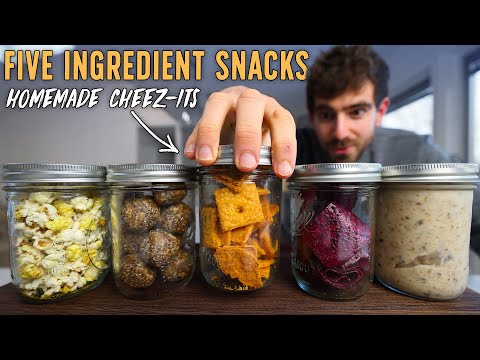
While store-bought options are convenient, homemade snacks give you total control over ingredients. Energy balls made with oats, dates, and nut butter require five minutes and no baking. Roasted chickpeas seasoned with smoked paprika or cumin offer a crunchy, savory alternative to chips. Fresh fruit paired with a small handful of cheese is another effortless combination that balances natural sugars with fat and protein. When you learn how to buy healthy snacks and also prepare a few staples at home, you build a sustainable system that lasts beyond any diet trend.
Reading Labels Like a Pro: What to Look For (and Avoid)
The food industry has mastered the art of making unhealthy products look healthy on the shelf. Terms like “natural flavors,” “made with whole grain,” and “low fat” are often used to mislead consumers. Here’s how to cut through the noise when buying healthy snacks.
Green Flags on Packaging
- Short ingredient lists with recognizable, whole-food ingredients
- At least 3 grams of fiber per serving
- 10 grams of protein or more per serving for sustained satiety
- Healthy fats listed clearly (olive oil, avocado, nuts, seeds)
- No artificial colors, flavors, or preservatives
- Certifications like USDA Organic, Non-GMO Project Verified, or Certified Gluten-Free when applicable

Red Flags to Watch For
- Added sugars in the top three ingredients (watch for corn syrup, cane sugar, dextrose, maltose, and fruit juice concentrate)
- “Enriched flour” or “refined wheat flour” as a primary ingredient
- Partially hydrogenated oils or hydrogenated oils (trans fats)
- Excessive sodium — aim for under 200mg per serving for snack items
- Long chemical-sounding ingredient names you can’t pronounce
Comparing Healthy Snack Categories: A Quick Reference Table
| Snack Category | Best For | Top Picks | Avg. Protein | Shelf Life |
| Nuts and Seeds | Sustained energy, heart health | Almonds, walnuts, pumpkin seeds | 6–8g per 1 oz | Long (months) |
| Dairy-Based | Protein boost, gut health | Greek yogurt, cottage cheese, cheese sticks | 12–15g per serving | Short (days/weeks) |
| Whole Food Bars | Convenience, on-the-go fuel | KIND bars, RXBARs, Larabars | 8–12g per bar | Long (months) |
| Vegetable-Based | Fiber, micronutrients, low calorie | Carrots, celery, bell peppers, snap peas | 1–3g per serving | Short (days/weeks) |
| Legume-Based | Plant protein, fiber, satiety | Roasted chickpeas, hummus, edamame | 7–10g per serving | Medium to long |
| Dark Chocolate | Antioxidants, mood support, indulgence | 70%+ cacao, minimalist ingredient bars | 2–4g per serving | Long (months) |
This table helps you compare categories at a glance. The best approach is combining categories — pair a vegetable-based snack with a dairy or nut-based option for a well-rounded mini-meal that keeps you satisfied for hours.
Advanced Tips: Buying Healthy Snacks on a Budget and in Bulk
One of the biggest misconceptions about buying healthy snacks is that they’re expensive. While specialty products can carry premium price tags, the most nutritious options are often among the most affordable. Here’s how experienced health-conscious shoppers save money without sacrificing quality.
Buy in Bulk Strategically
Warehouse stores and bulk bins are goldmines for staples like oats, dried beans, rice cakes, nut butters, and trail mix. Buying nuts and seeds in bulk can reduce costs by 30–50% compared to pre-packaged options. Just be mindful of portion control — bulk buying only works if you have systems in place to manage what you purchase.

Embrace Seasonal Produce
Fresh fruits and vegetables are cheapest and most flavorful when they’re in season. Stock up on seasonal items and freeze excess for smoothies or snack prep. Frozen fruits and vegetables are equally nutritious and often more affordable than fresh, making them a smart choice for budget-conscious buyers.
Compare Unit Prices, Not Package Prices
A larger bag of almonds isn’t always a better deal than a smaller one. Check the unit price (cost per ounce or per 100 grams) to make accurate comparisons across brands and sizes. This habit applies especially when choosing between organic and conventional options — sometimes the price difference is smaller than you’d expect.
Explore Store Brands and Private Labels
Many grocery chains now offer high-quality store-brand versions of healthy staples. Store-brand nut butters, canned beans, yogurt, and whole grain crackers often match or even outperform name brands in ingredient quality while costing significantly less. Don’t assume that a recognized brand is always superior.
Subscribe and Save for Regular Items
If you consistently buy certain healthy snacks online, use subscription services to lock in discounts. Many online retailers offer 15–25% off for recurring orders. This strategy works exceptionally well for protein bars, nut mixes, dried fruit, and specialty items that might not be readily available locally.
Frequently Asked Questions About Buying Healthy Snacks
1. What is the best way to buy healthy snacks for weight loss?
Focus on high-protein, high-fiber, and low-calorie-density options. Snacks like Greek yogurt, raw vegetables with hummus, hard-boiled eggs, and a small portion of nuts are excellent choices. Avoid buying snacks with added sugars or refined carbs, as these tend to increase hunger rather than satisfy it. Planning your snacks at roughly 150–250 calories each helps maintain a caloric deficit while keeping energy levels stable.
2. Are store-bought healthy snack bars actually good for you?
It depends entirely on the brand. Some bars are essentially glorified candy bars with added fiber, while others genuinely deliver quality nutrition. When buying healthy snack bars, look for short ingredient lists, at least 5 grams of protein, 3 grams of fiber, and less than 10 grams of added sugar. Brands that use whole food ingredients like dates, nuts, and seeds without protein isolates or artificial binders are generally your safest bet.
3. Where should I buy healthy snacks online vs. in-store?
Both channels have advantages. In-store shopping lets you inspect freshness, read physical labels, and take immediate possession. Online shopping offers broader selection, easier price comparison, subscription discounts, and access to specialty or organic brands that may not be available locally. For perishable items like fresh produce and dairy, in-store is preferable. For shelf-stable items like nuts, bars, and dried snacks, online often delivers better value and convenience.
4. How can I buy healthy snacks that are also allergy-friendly?
Look for products with clear allergen labeling and certifications. Many brands now specialize in allergen-free options, including nut-free, gluten-free, dairy-free, and soy-free snacks. Seed-based butters (sunflower or pumpkin seed butter) replace nut butters effectively. Rice cakes, popcorn, roasted chickpeas, and fruit leathers are naturally gluten-free and often free from top allergens. Always verify labels each time you purchase, as formulations can change.
5. What is the difference between organic and non-organic healthy snacks, and does it matter?
Organic snacks are produced without synthetic pesticides, herbicides, or genetically modified organisms. Research suggests organic produce can have higher antioxidant levels and lower pesticide residues. However, buying organic for snack items like nuts, seeds, and dried fruit is less critical than for high-pesticide produce like strawberries or spinach. Prioritize organic when purchasing items from the “Dirty Dozen” list, and feel comfortable choosing conventional options for thick-skinned or low-pesticide produce. In the end, eating more whole foods matters more than whether they’re organic or conventional.
Final Thoughts: Building a Sustainable Healthy Snacking Habit
Buying healthy snacks is not about perfection — it’s about building a sustainable system that works for your life. Start with small changes, stock your kitchen with versatile whole-food staples, and learn to decode labels quickly. Mix store-bought convenience with homemade preparations to keep things interesting and cost-effective. As your confidence grows, you’ll find that making smart snack choices becomes automatic, effortless, and even enjoyable. The best healthy snacking strategy is the one you can maintain consistently over weeks, months, and years — not the one that demands willpower every single day. Shop intentionally, eat mindfully, and let your snack choices support the vibrant, energized life you want to live.