


Whether you are a wildlife enthusiast planning your first safari or a seasoned traveler looking to deepen your knowledge of Africa’s fastest land animal, a comprehensive cheetahs guide is an invaluable resource. Cheetahs have fascinated humans for millennia — from their depiction in ancient Egyptian art to their modern-day status as a symbol of speed, grace, and conservation urgency. This guide covers everything you need to know, from understanding cheetah biology and behavior to choosing the right guide service, spotting them in the wild, and supporting their long-term survival. If you have ever dreamed of watching a cheetah in full sprint across the Serengeti, this article will help make that dream a reality while ensuring you approach these magnificent animals with respect and knowledge.
What Are Cheetah Guides and Why Do They Matter?
A cheetahs guide refers to any comprehensive resource — whether a field guidebook, a mobile app, a tour operator’s expertise, or a wildlife education platform — designed to help people learn about, locate, and responsibly observe cheetahs in their natural habitats. These guides go far beyond basic animal facts. They include habitat maps, behavioral patterns, seasonal migration data, conservation status updates, and practical tips for ethical wildlife photography and observation.
The importance of well-crafted cheetah guides cannot be overstated. With fewer than 7,000 adult cheetahs remaining in the wild, every informed observer contributes to the species’ survival. Guides educate tourists on maintaining safe distances, understanding territorial boundaries, and recognizing signs of stress in cheetahs. This knowledge directly reduces human-wildlife conflict and supports conservation funding through responsible eco-tourism.
Understanding Cheetah Biology and Behavior
Physical Characteristics and Adaptations
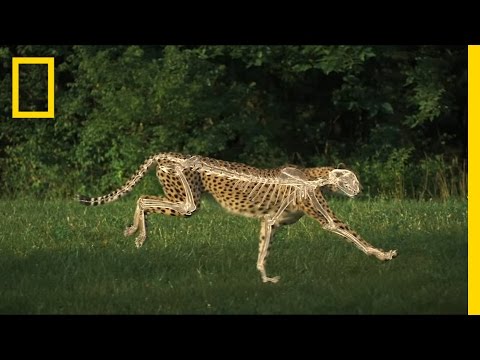
The cheetah (Acinonyx jubatus) is the world’s fastest land animal, capable of reaching speeds up to 70 miles per hour in short bursts covering distances up to 500 meters. Several unique adaptations make this possible:
- Semi-retractable claws that provide extra grip during sprints
- A lightweight, lean body frame weighing between 75 and 140 pounds
- An enlarged nasal cavity and lungs for rapid oxygen intake
- A long, muscular tail that acts as a rudder for steering at high speeds
- Specialized paw pads and flexed spine mechanics that extend stride length
Social Structure and Hunting Habits

Unlike lions, which live in prides, cheetahs have a more flexible social structure. Male cheetahs often form small coalitions, typically with brothers from the same litter, while females are generally solitary except when raising cubs. Cheetahs are diurnal hunters, meaning they primarily hunt during daylight hours — a behavior that distinguishes them from other large African predators like lions and leopards. Their diet consists mainly of small to medium-sized ungulates, including Thomson’s gazelles and impalas.
Reproduction and Cub Survival
Cheetah mothers carry their cubs for approximately 90 to 95 days, typically giving birth to litters of three to five cubs. Unfortunately, cub mortality rates in the wild are alarmingly high — up to 90 percent in some regions — due to predation by lions, hyenas, and leopards. Understanding these reproductive challenges is a critical component of any serious cheetahs guide, especially for those interested in conservation volunteering or wildlife photography.
Best Destinations for Cheetah Sightings
Planning where to see cheetahs is one of the first steps any aspiring observer should take. The following destinations are globally renowned for reliable cheetah encounters:
- Serengeti National Park, Tanzania — Known for large cheetah populations and open grassland plains Gaming Guides that make sightings relatively easy during the dry season from June to October.
- Masai Mara National Reserve, Kenya — Offers exceptional cheetah density, especially in the Mara Triangle, and is a premier destination for safari photography.
- Kruger National Park, South Africa — One of Africa’s largest game reserves with well-established safari infrastructure and regular cheetah encounters.
- Okavango Delta, Botswana — Combines water-based and land-based safari experiences with cheetah sightings along floodplains.
- Etosha National Park, Namibia — Famous for its salt pan landscape and a growing cheetah population supported by dedicated conservation programs.
- Moremi Game Reserve, Botswana — Offers intimate cheetah experiences in a less crowded setting compared to the more popular parks.
How to Choose the Right Cheetah Guide or Guide Service

Not all guide services are created equal. When selecting a guide or tour operator for a cheetah-focused safari, consider the following factors:
- Expertise and Track Record: Look for guides with extensive knowledge of local cheetah territories, behavioral patterns, and tracking skills.
- Conservation Credentials: Choose operators that contribute to local conservation efforts or support anti-poaching initiatives.
- Group Size: Smaller groups typically provide more personalized experiences and minimize disturbance to wildlife.
- Equipment Quality: Professional guides invest in high-quality binoculars, spotting scopes, and safari vehicles with open rooftops for unobstructed viewing.
- Ethical Practices: Responsible guides maintain safe distances, avoid using playback calls excessively, and prioritize animal welfare over getting the perfect photo.
| Feature | Budget Guide Service | Premium Guide Service |
|---|---|---|
| Group Size | 15–25 people | 4–8 people |
| Guide Experience | 1–3 years | 10+ years |
| Vehicle Type | Standard safari jeep | Open-roof 4×4 with elevated seating |
| Conservation Contribution | Minimal or none | Direct funding to local projects |
| Specialized Focus | General big five | Cheetah-specific behavioral tracking |
| Photography Support | Basic | Professional-grade spotting scopes |
Conservation Efforts and How Cheetah Guides Support Them
Cheetah populations have declined dramatically — by roughly 90 percent over the past century — due to habitat loss, human-wildlife conflict, and illegal wildlife trade. Several organizations are leading the charge in cheetah conservation, including the Cheetah Conservation Fund (CCF) in Namibia, the Serengeti Cheetah Project, and the Endangered Wildlife Trust’s Carnivore Conservation Program.
A good cheetahs guide will always highlight these organizations and explain how tourists can contribute. Many safari operators allocate a portion of their fees directly to conservation programs. Others offer volunteer opportunities where visitors can participate in cheetah tracking, data collection, and community education programs. These experiences transform a simple safari into a meaningful conservation journey.
Expert Tips for Ethical Cheetah Encounters
Drawing from years of field experience, here are practical recommendations for anyone hoping to observe cheetahs responsibly:
- Patience is everything. Cheetahs are often elusive, especially during the wet season when tall grass obscures visibility. Spend at least two full days in prime cheetah territory for the best chances.
- Listen before you look. Guides trained in tracking will often detect cheetah presence through alarm calls from birds — particularly oxpeckers and helmeted guineafowl — that react to predator movement.
- Respect the kill. If you encounter a cheetah feeding, remain quiet and still. Interference during feeding can cause a cheetah to abandon its hard-earned meal.
- Avoid flash photography at night. Flash disorients nocturnal animals and can disrupt hunting behavior.
- Support local communities. Choose accommodations and guides that employ local staff and invest in community development. Conservation succeeds when local people benefit from wildlife presence.
Frequently Asked Questions
What is the best time of year to see cheetahs in Africa?
The optimal period for cheetah sightings is during the dry season, typically from May through October, when vegetation thins out and animals congregate around water sources. In East Africa, the dry months from June to September offer the highest probability of reliable cheetah encounters.
How fast can a cheetah run and how long can it maintain top speed?
A cheetah can accelerate from 0 to 60 miles per hour in just three seconds, reaching top speeds of approximately 70 mph. However, these bursts can only be sustained for 20 to 30 seconds before the animal risks overheating and exhaustion.
Are cheetahs dangerous to humans?
Cheetahs are generally not considered dangerous to humans. They are built for speed rather than strength and typically avoid confrontation. There are very few documented cases of cheetah attacks on people in the wild, and they are among the least aggressive of Africa’s large predators.
What is the biggest threat to cheetah survival today?
Habitat loss and fragmentation pose the greatest threat, as expanding agriculture and human settlements encroach on traditional cheetah territories. Additionally, conflict with livestock farmers, illegal pet trade, and low genetic diversity all contribute to their vulnerable status on the IUCN Red List.
Can I volunteer with cheetah conservation programs?
Yes, many reputable organizations offer volunteer programs ranging from two weeks to several months. These programs typically involve wildlife monitoring, data collection, habitat restoration, and community outreach. Organizations like the Cheetah Conservation Fund and the African Wildlife Foundation offer structured volunteer opportunities for international participants.
Conclusion
A well-informed approach to cheetah observation transforms a simple safari into a profound wildlife experience. By using a reputable cheetahs guide, understanding cheetah behavior and ecology, choosing ethical tour operators, and actively supporting conservation initiatives, every traveler can play a role in ensuring these extraordinary animals continue to thrive on the African savanna. The knowledge you gain from this guide empowers you to be not just a spectator, but a champion for one of nature’s most remarkable predators. Start planning your cheetah encounter today, and carry that responsibility with you into every grassland you explore.