


The definition of ecommerce has evolved far beyond a simple digital marketplace — it now represents a vast, interconnected global ecosystem where businesses and consumers transact, interact, and innovate through online platforms. Whether you are a small business owner exploring how to sell products on the internet or a seasoned entrepreneur scaling a digital brand, understanding what ecommerce truly means is the foundation for building a thriving online business. This comprehensive guide dives deep into the ecommerce definition, breaks down every model, explains the mechanics behind online transactions, and delivers actionable strategies for anyone looking to succeed in the digital commerce space.
What Is Ecommerce? A Thorough and Modern Definition
At its core, ecommerce — short for electronic commerce — refers to the buying and selling of goods, services, or digital products over the internet. But a complete ecommerce definition goes much deeper than that. It encompasses the entire lifecycle of an online transaction, including marketing, payment processing, order fulfillment, customer service, and post-purchase engagement. Ecommerce transforms traditional commerce into a borderless experience where geographical limitations dissolve, and consumers can access products from anywhere in the world at any time.
According to Statista, global ecommerce sales surpassed $5.8 trillion in 2023, and projections show continued exponential growth. This staggering number underscores why understanding online commerce fundamentals is no longer optional — it is essential for anyone in the business world today.
The definition of ecommerce also includes the technology infrastructure that makes these transactions possible. Secure payment gateways, SSL certificates, shopping cart software, inventory management systems, and logistics networks all form the backbone of digital storefronts. Without these components working seamlessly together, the online buying and selling experience would not function.
How Ecommerce Works: The Core Mechanics Explained
Understanding the mechanics behind ecommerce helps you appreciate how a customer goes from browsing a product to receiving it at their doorstep. The process involves several interconnected steps:
- Customer Discovery: A shopper finds a product through search engines, social media, paid ads, or direct URL visits.
- Product Selection and Cart: The customer adds items to a virtual shopping cart and proceeds to checkout.
- Payment Processing: A secure payment gateway handles the transaction, encrypting sensitive data like credit card information.
- Order Management: The ecommerce platform communicates with a fulfillment system to process, pack, and ship the order.
- Delivery and After-Sales: The product reaches the customer, and feedback, reviews, and support interactions shape future transactions.
Each of these stages involves sophisticated software and hardware working behind the scenes. Platforms like Shopify, WooCommerce, Magento, and BigCommerce provide the tools businesses need to manage this entire workflow efficiently.
The Four Main Ecommerce Business Models
Not all online commerce operates the same way. The definition of ecommerce spans several distinct business models, each serving different relationships between buyers and sellers.
- B2C (Business-to-Consumer): The most common model, where businesses sell directly to individual consumers. Examples include Amazon, Zappos, and ASOS.
- B2B (Business-to-Business): Companies sell products or services to other businesses. Alibaba and ThomasNet are prime examples of B2B ecommerce platforms.
- C2C (Consumer-to-Consumer): Individuals sell to other individuals through intermediary platforms. eBay, Etsy, and Facebook Marketplace fall into this category.
- C2B (Consumer-to-Business): Consumers offer products or services to businesses. Freelancer platforms like Upwork and Fiverr exemplify this model.
Each model has unique requirements for platform selection, marketing strategy, inventory management, and customer relationship management.
Key Components of a Successful Ecommerce Operation
Building a profitable online store requires more than just listing products on a website. Several critical components must work together to create a seamless customer experience:
- Ecommerce Platform: The software foundation that powers your online store. Options range from hosted solutions like Shopify to self-hosted platforms like WooCommerce.
- Payment Gateway Integration: Services like Stripe, PayPal, and Square enable secure online transactions across multiple currencies.
- SSL Security Certificates: These encrypt customer data and build trust, which is why Google prioritizes HTTPS sites in search rankings.
- Inventory Management System: Real-time tracking prevents overselling and ensures accurate stock levels across multiple sales channels.
- SEO and Digital Marketing: Search engine optimization drives organic traffic, while email marketing, social media, and paid advertising generate consistent revenue.
- Logistics and Fulfillment: Efficient shipping and returns processing directly impact customer satisfaction and repeat purchase rates.
Ecommerce vs Traditional Retail: A Detailed Comparison
Understanding the difference between online commerce and brick-and-mortar retail highlights why ecommerce has captured such a massive share of consumer spending. The comparison table below breaks down the key distinctions:
| Factor | Ecommerce | Traditional Retail |
| Operating Hours | 24/7 availability | Limited to store hours |
| Geographic Reach | Global audience | Local or regional |
| Overhead Costs | Lower fixed costs | High rent, utilities, staffing |
| Customer Experience | Convenient, self-service | Personal, tactile interaction |
| Inventory Flexibility | Easy to scale digitally | Requires physical space |
| Data and Analytics | Rich behavioral tracking | Limited in-store insights |
While traditional retail offers the irreplaceable experience of touching and trying products, ecommerce dominates in convenience, scalability, and data-driven decision-making. Many successful businesses now adopt an omnichannel approach, blending both models to maximize reach and revenue.
The Evolution of Online Commerce: From Early Days to Modern Ecosystem

The history of ecommerce traces back to 1994, when the first secure online retail transaction took place — a Sting CD sold on NetMarket. From those humble beginnings, online commerce has grown into a trillion-dollar industry that reshapes how humanity buys and sells.
Several key milestones mark this evolution:
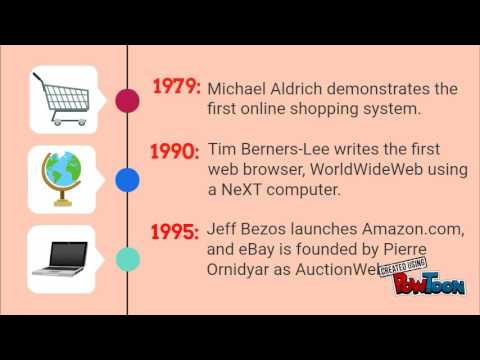
- 1995: Amazon and eBay launched, establishing the blueprint for online marketplaces.
- 2000s: PayPal revolutionized online payments, making secure digital transactions mainstream.
- 2010s: Mobile commerce (mcommerce) exploded as smartphones became ubiquitous, shifting a massive portion of online shopping to mobile devices.
- 2020s: The COVID-19 pandemic accelerated ecommerce adoption by years, forcing even the most hesitant retailers to digitize their operations.
Today, ecommerce encompasses not just finished goods but also digital downloads, subscription services, crowdfunding platforms, and even virtual goods within gaming ecosystems. The modern definition of ecommerce is extraordinarily broad and continues to expand as technology evolves.
Practical Tips for Launching and Growing Your Ecommerce Venture
If you are ready to start or scale your online business, these expert recommendations will set you on the right path:
- Choose the Right Platform: Evaluate platforms based on your budget, technical skill level, and scalability needs. Shopify excels for beginners, while Magento suits enterprise-level operations.
- Prioritize Mobile Experience: Over 60% of ecommerce traffic comes from mobile devices. Your site must load fast and display beautifully on smaller screens.
- Invest in Product Photography: High-quality images and detailed descriptions reduce return rates and build consumer confidence.
- Leverage Email Marketing: Building an email list is one of the highest-ROI strategies in online retail. Automated welcome sequences and abandoned cart recovery can significantly boost conversions.
- Optimize for SEO Early: Keyword research, structured data markup, and fast page speeds all contribute to higher search rankings and sustained organic traffic.
- Streamline Returns and Customer Service: A hassle-free return policy and responsive support channels build loyalty and generate positive word-of-mouth.
Frequently Asked Questions About the Definition of Ecommerce
What is the simple definition of ecommerce?
Ecommerce, or electronic commerce, is the buying and selling of goods and services over the internet. It encompasses online transactions between businesses, consumers, and even governments, and includes the entire digital infrastructure that supports those exchanges — from payment processing to order fulfillment and customer service.
What are the four types of ecommerce?
The four primary ecommerce models are B2C (business-to-consumer), B2B (business-to-business), C2C (consumer-to-consumer), and C2B (consumer-to-business). Each model defines a different relationship between the parties involved in the transaction, and each requires distinct strategies for marketing, platform selection, and customer engagement.
How is ecommerce different from e-business?
While the terms are often used interchangeably, ecommerce specifically refers to buying and selling activities conducted online. E-business, on the other hand, is a broader concept that includes all business processes conducted digitally — including supply chain management, customer relationship management, internal communications, and electronic data interchange in addition to online transactions.
What do I need to start an ecommerce business?
To launch an ecommerce business, you need a solid product idea, a reliable ecommerce platform, a secure payment gateway, a domain name and hosting, a business license (depending on your jurisdiction), and a digital marketing strategy. Product sourcing, inventory planning, and a clear understanding of your target audience round out the essentials for a successful online store.
What is mcommerce and how does it relate to ecommerce?
Mcommerce, or mobile commerce, is a subset of ecommerce that specifically refers to transactions conducted via mobile devices such as smartphones and tablets. It includes mobile shopping apps, in-app purchases, and mobile-optimized web stores. As mobile internet usage continues to surpass desktop browsing, mcommerce has become a critical component of any comprehensive online commerce strategy.
Final Thoughts
The definition of ecommerce continues to evolve as technology, consumer behavior, and global markets shift and reshape the digital landscape. What began as a simple concept — buying products on a website — has grown into a complex, multi-faceted industry that touches every corner of the global economy. Whether you are a complete beginner taking your first steps into online retail or a seasoned professional refining your digital strategy, a deep understanding of ecommerce fundamentals gives you the competitive edge you need to thrive. Invest in the right tools, stay informed about emerging trends like AI-powered personalization and social commerce, and always put the customer experience at the center of every decision. That is the true path to building a sustainable, profitable ecommerce business in the modern digital age.