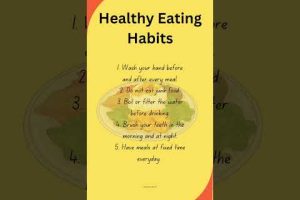
Eating healthy foods is one of the most impactful decisions you can make for your overall well-being. Yet, despite the overwhelming amount of nutrition information available online, millions of people still struggle to distinguish between genuine health-promoting foods and marketing-driven hype. Whether you are just starting your wellness journey or looking to refine an already solid diet, understanding what constitutes truly healthy eating goes far beyond simply avoiding junk food. This comprehensive guide dives deep into the principles, science, and practical strategies behind nourishing your body with the right foods — backed by evidence, real-world applicability, and actionable steps you can implement today.
What Does It Actually Mean to Eat Healthy Foods?
At its core, eating healthy foods means consuming a consistent variety of nutrient-dense whole foods that provide your body with the vitamins, minerals, fiber, protein, healthy fats, and complex carbohydrates it needs to function optimally. Healthy eating is not about perfection, restriction, or following the latest diet trend. It is about building a sustainable relationship with food that fuels energy, supports mental clarity, strengthens immunity, and reduces the risk of chronic disease.
The distinction between nutrient-dense and calorie-dense foods is critical here. Nutrient-dense foods deliver a high concentration of essential micronutrients per calorie — think leafy greens, salmon, blueberries, and lentils. Calorie-dense foods, on the other hand, pack a lot of energy with minimal nutritional payoff — such as sugary beverages, processed snacks, and fried foods. Prioritizing nutrient-dense options is the foundation of any effective healthy eating strategy.
Why Nutrient Density Matters More Than You Think
When you focus on nutrient density, you naturally crowd out empty-calorie options without feeling deprived. Your body receives the trace minerals like magnesium and zinc, the antioxidants that combat oxidative stress, and the amino acids required for tissue repair — all from foods that work synergistically rather than in isolation. This is why whole foods consistently outperform supplements in clinical studies. The food matrix — the complex arrangement of fiber, phytonutrients, and micronutrients found naturally in whole ingredients — cannot be replicated in a pill.
The Science Behind Healthy Eating Patterns
Research consistently links dietary patterns rich in vegetables, fruits, whole grains, lean proteins, and healthy fats to reduced risks of cardiovascular disease, type 2 diabetes, certain cancers, and neurodegenerative conditions. The Mediterranean diet, the DASH diet, and whole-food plant-based diets all share common principles: minimal ultra-processed food, high fiber intake, and a emphasis on plant-forward meals.

Understanding macronutrient balance adds another layer. Proteins support muscle synthesis and satiety. Healthy fats — found in avocados, olive oil, nuts, and fatty fish — are essential for hormone production and brain health. Complex carbohydrates from oats, quinoa, and sweet potatoes provide sustained energy without the blood sugar spikes associated with refined grains. A well-rounded approach considers all three macros in proportionate amounts tailored to individual needs.

| Food Category | Key Nutrients | Top Sources | Primary Benefit |
| Leafy Greens | Vitamin K, Folate, Iron | Spinach, Kale, Swiss Chard | Bone health, blood oxygenation |
| Fatty Fish | Omega-3, Vitamin D, Protein | Salmon, Sardines, Mackerel | Heart and brain health |
| Whole Grains | B Vitamins, Fiber, Magnesium | Oats, Quinoa, Brown Rice | Sustained energy, digestion |
| Berries | Antioxidants, Vitamin C, Fiber | Blueberries, Strawberries, Raspberries | Cellular protection, skin health |
| Legumes | Plant Protein, Fiber, Zinc | Lentils, Chickpeas, Black Beans | Muscle maintenance, gut health |
| Nuts & Seeds | Healthy Fats, Vitamin E, Selenium | Almonds, Walnuts, Chia Seeds | Inflammation reduction, satiety |
Essential Food Groups You Should Prioritize
Building a healthy plate starts with understanding which food groups deserve the most real estate. Here is a practical breakdown of what should form the backbone of your daily nutrition:
- Vegetables and Fruits — Aim for a colorful variety across all meals. Different colors indicate different phytonutrient profiles, so eating the rainbow ensures broader coverage of antioxidants and vitamins.
- Whole Grains — Replace refined grains like white bread and white pasta with whole-grain alternatives. The fiber content slows digestion, stabilizes blood glucose, and feeds beneficial gut bacteria.
- Lean and Plant-Based Proteins — Include sources like poultry, fish, tofu, tempeh, eggs, and legumes. Protein supports metabolic function, preserves lean muscle mass, and promotes lasting fullness between meals.
- Healthy Fats — Olive oil, avocado, nuts, and seeds are not the enemy. Dietary fat is essential for absorbing fat-soluble vitamins (A, D, E, K) and maintaining cell membrane integrity.
- Fermented and Probiotic Foods — Yogurt, kimchi, sauerkraut, and kefir support a diverse gut microbiome, which emerging research increasingly links to immunity, mood regulation, and metabolic health.
How to Build a Sustainable Healthy Meal Plan
Many people abandon healthy eating because they overcomplicate it at the start. The key is building habits gradually rather than overhauling your entire diet overnight. Here is a realistic roadmap that works for beginners and experienced health enthusiasts alike.
Beginner Level: Small Swaps That Add Up
- Replace sugary drinks with water, herbal tea, or sparkling water infused with lemon.
- Add one extra serving of vegetables to your dinner plate each day.
- Switch from white bread to whole-grain bread.
- Choose fruit as your go-to dessert instead of processed sweets.
Intermediate Level: Structured Meal Planning
- Prepare a weekly meal plan that balances all macronutrient groups.
- Batch-cook grains, proteins, and roasted vegetables on weekends for quick weekday meals.
- Read nutrition labels to identify hidden sugars, excessive sodium, and artificial additives.
- Incorporate at least one meatless meal per week centered on legumes and vegetables.
Advanced Level: Optimizing for Performance and Longevity
- Track micronutrient intake to address potential deficiencies like vitamin D or omega-3.
- Experiment with time-restricted eating patterns to complement a nutrient-rich diet.
- Prioritize organic and locally sourced produce when possible to reduce pesticide exposure.
- Periodically reassess your macronutrient ratios based on activity level, age, and health goals.
Common Myths About Healthy Eating That Need to Die
The internet is riddled with misinformation that derails people from making meaningful progress. Let us address some of the most persistent myths:
- Myth: Healthy food is bland and boring. Reality: Herbs, spices, citrus, and diverse cooking techniques can make nutritious food incredibly flavorful. Learning to season well is a game-changer.
- Myth: You must eliminate carbs entirely. Reality: Your brain runs on glucose. The goal is choosing complex carbohydrates over refined ones, not eliminating them altogether.
- Myth: Eating healthy is always expensive. Reality: Frozen vegetables, dried legumes, eggs, oats, and seasonal produce are among the most affordable foods on the planet and happen to be among the most nutritious.
- Myth: Fat makes you fat. Reality: Excess calories from any source — protein, carbohydrate, or fat — contribute to weight gain. Healthy fats are essential and do not inherently cause obesity.
Practical Tips to Make Healthy Eating Stick
Behavioral science tells us that habit formation depends on consistency, environment design, and intrinsic motivation. Here are expert-backed strategies that go beyond generic advice:
- Stock your kitchen strategically. If healthy foods are visible and accessible, you will naturally reach for them. Keep a fruit bowl on the counter and pre-washed vegetables at eye level in the refrigerator.
- Cook more meals at home. Home-cooked meals give you complete control over ingredients, portion sizes, and preparation methods. Studies show that people who cook at least five meals per week consume significantly fewer calories and less sugar.
- Practice mindful eating. Slow down, chew thoroughly, and pay attention to hunger and satiety cues. Eating while distracted often leads to overconsumption regardless of food quality.
- Allow flexibility. The 80/20 principle — eating nutritious foods 80 percent of the time and enjoying treats the remaining 20 percent — prevents burnout and supports long-term adherence.
- Stay hydrated. Thirst is frequently confused with hunger. Drinking adequate water throughout the day helps regulate appetite and supports every metabolic process in the body.
Frequently Asked Questions About Eating Healthy Foods
What are the easiest healthy foods to include in a busy lifestyle?
Eggs, pre-washed salad greens, frozen vegetables, canned beans, Greek yogurt, and overnight oats are all incredibly convenient, nutrient-rich options that require minimal preparation time. These staples make healthy eating accessible even on your busiest days.
How does eating healthy foods affect mental health?
Emerging research in nutritional psychiatry demonstrates that diets rich in whole foods, omega-3 fatty acids, and fermented foods are associated with lower rates of depression and anxiety. The gut-brain axis plays a significant role — a healthy microbiome produces neurotransmitters like serotonin that directly influence mood and cognitive function.
Can eating healthy foods help with weight loss without counting calories?
Yes, when you prioritize nutrient-dense, high-fiber, and protein-rich foods, your body naturally gravitates toward a healthy weight. These foods promote satiety, reduce cravings, and stabilize blood sugar levels, making calorie regulation feel more intuitive than forced.
What is the difference between clean eating and simply eating healthy foods?
“Clean eating” is a loosely defined trend that often implies rigid restrictions, while eating healthy foods is a flexible, evidence-based approach focused on overall dietary patterns. Sustainable nutrition does not require perfection — it requires consistency, variety, and balance over time.
Are supplements necessary if you eat healthy foods?
For most people eating a varied, whole-food diet, supplements are not strictly necessary. However, certain populations — such as those with limited sun exposure, vegans, or individuals with specific deficiencies — may benefit from targeted supplementation. Whole foods should always be the primary source of nutrition.
Final Thoughts: Healthy Eating Is a Journey, Not a Destination
Eating healthy foods is ultimately an act of self-respect and long-term investment in your quality of life. It does not require expensive superfoods, complicated meal plans, or rigid rules. It requires awareness, consistency, and a willingness to make incremental improvements over time. By focusing on whole, minimally processed ingredients, balancing your macronutrients, and building habits that align with your lifestyle, you create a foundation of health that compounds positively for years to come. Start where you are, use what you have, and remember — every nutritious meal is a step forward, not a perfection test.