


Retro gaming is more than a nostalgic hobby—it is a thriving cultural movement that connects millions of players across generations through the love of classic video games. Whether you are a seasoned collector hunting for rare cartridges or a curious newcomer wondering where to start, this essential guide to retro gaming covers everything you need to know about building a collection, choosing hardware, exploring emulation, and preserving the legacy of vintage video games. From the iconic 8-bit and 16-bit consoles that shaped the industry to modern ways of playing timeless titles, this guide delivers practical advice, expert recommendations, and insider tips for every level of retro enthusiast.
What Makes Retro Gaming So Timeless
The appeal of retro gaming lies in its simplicity, creativity, and raw charm. Unlike modern games that often rely on hyper-realistic graphics and massive open worlds, classic titles from the 1980s and 1990s prioritized tight gameplay loops, memorable soundtracks, and inventive design within tight hardware constraints. That limitation bred genius. Players who grew up with systems like the Nintendo Entertainment System or the Sega Genesis remember those experiences as formative moments. But the retro gaming community is not just about nostalgia—it is about appreciating game design as an art form, celebrating pixel art, chiptune music, and the creative problem-solving that defined an entire era of interactive entertainment.
Understanding retro gaming history helps you appreciate why certain games remain relevant decades later. Titles like Super Mario Bros., The Legend of Zelda, Sonic the Hedgehog, and Chrono Trigger set foundational standards for genre design that modern developers still reference and honor. The cultural impact of these games extends into merchandise, speedrunning communities, indie game development, and even academic study.
Iconic Consoles That Defined the Golden Era
When people talk about classic gaming consoles, a handful of systems immediately come to mind. Each one brought something unique to the table and carved out a devoted fanbase that persists today.
| Console | Era | Key Titles | Legacy |
| NES (Nintendo Entertainment System) | 1983–1995 | Super Mario Bros., Metroid, Mega Man | Revived the North American console market |
| Sega Genesis | 1988–1997 | Sonic the Hedgehog, Streets of Rage | Nintendo’s fiercest 16-bit competitor |
| Super Nintendo (SNES) | 1990–2003 | Super Mario World, Chrono Trigger, Zelda: A Link to the Past | Gold standard for 16-bit design |
| Sega Saturn | 1994–2000 | Panzer Dragoon, Virtua Fighter | Cult following and innovative 3D experiments |
| PlayStation 1 | 1994–2006 | Final Fantasy VII, Metal Gear Solid | Bridged 2D and 3D gaming worlds |
Each system in this retro gaming console timeline represents a distinct philosophy of game design and hardware innovation. For beginners, starting with the NES or SNES offers the most accessible entry point because those libraries are well-documented, widely available, and affordable to collect.
Building Your Retro Gaming Collection

Starting a retro game collection can feel overwhelming, but it does not have to be expensive or complicated. The key is knowing what to look for, where to buy, and how to evaluate condition.
Where to Find Classic Games
There are several reliable channels for purchasing vintage games:
- Local retro game shops — These stores often let you inspect cartridges and discs in person before buying.
- Online marketplaces like eBay and Mercari — Great for rare finds, but always check seller ratings and photos of actual products.
- Facebook Marketplace and Craigslist — Often overlooked sources for affordable bulk lots.
- Estate sales and garage sales — Patience pays off here; you can stumble on hidden treasures for a fraction of retail price.
- Retro gaming conventions — Events like Retro Gaming Expo and Portland Retro Gaming Expo offer curated selections and direct access to collectors.
How to Evaluate Game Condition
Condition is everything in retro collecting. Here is what to check before purchasing:
- Cartridge pins — Look for oxidation or bent pins; these affect connectivity.
- Label condition — Faded or peeling labels reduce resale value but do not always affect playability.
- Manual and packaging — Complete-in-box copies command premium prices.
- Save battery integrity — Many cartridges from the 1990s use internal batteries that eventually die; confirm saves are intact or budget for replacement.
Retro Gaming Hardware: Original vs. Emulation
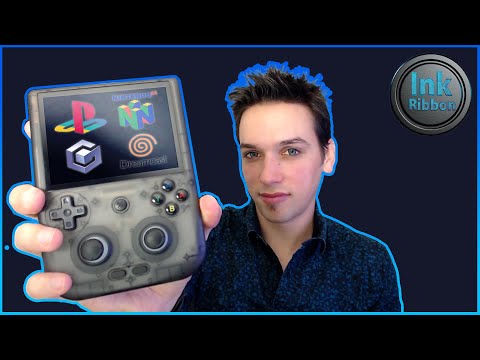
One of the most debated topics in the retro gaming world is whether to play on original hardware or use emulation software. Both approaches have distinct advantages and trade-offs that every collector should understand.
Original hardware delivers an authentic Gaming Guides experience. You feel the physical cartridges, hear the original sound chips, and get the exact visual output the developers intended. For purists and collectors, this is non-negotiable. However, original hardware can be expensive, requires proper maintenance, and may suffer from hardware degradation over time.
Emulation offers convenience and accessibility. Modern emulators replicate the behavior of classic consoles on PCs, laptops, and even smartphones. Popular options include RetroArch, BizHawk, and Dolphin for GameCube titles. Emulation allows you to access thousands of titles instantly, apply visual filters, save states, and even enhance audio output. The trade-off is legal ambiguity—while emulators themselves are generally legal, distributing or downloading copyrighted ROMs without owning the original software raises copyright concerns.
| Factor | Original Hardware | Emulation |
| Authenticity | Exact original experience | Close approximation; varies by emulator |
| Cost | High upfront investment | Free or low cost for software |
| Convenience | Requires physical media | Instant access to large libraries |
| Maintenance | Hardware can degrade | Software updates only |
| Legal Clarity | Clear ownership rights | Gray area depending on ROM source |
Many experienced collectors use a hybrid approach: original hardware for their most treasured titles and emulation for the broader library. This balances authenticity with accessibility.
Essential Accessories Every Retro Gamer Needs
Equipping yourself properly makes a massive difference in your retro gaming experience. Here are items every setup should include:
- A CRT television or upscaler — Retro games were designed for cathode-ray displays. Playing on a modern flat-screen can introduce input lag and visual artifacts. Devices like the RetroTINK or OSSC upscale retro signals beautifully.
- Replacement batteries — For any cartridge with save functionality, carrying a soldering iron and fresh batteries means you never lose progress.
- Quality controllers — Third-party controllers often feel inferior. Invest in official pads or high-quality replacements like 8BitDo controllers that work across multiple platforms.
- Cleaning supplies — Isopropyl alcohol and cotton swabs keep cartridge pins and disc lenses in top shape.
- A good storage system — Acid-free cases and climate-controlled storage prevent cartridge degradation and disc rot.
Tips for Preserving Your Retro Game Library
Preservation is a serious concern in the retro gaming community. Many classic titles are at risk of disappearing as physical media degrades and manufacturing licenses expire. Here is how you can contribute to retro game preservation:
- Store cartridges properly — Keep them in cool, dry environments away from direct sunlight. Heat and humidity are the enemies of PCB boards and battery backups.
- Back up save data — Use flash carts like the EverDrive series to create backup copies of your saves, protecting against battery failure.
- Document your collection — Use platforms like Backloggd or personal spreadsheets to catalog what you own, including condition notes and purchase history.
- Support preservation initiatives — Organizations like the Video Game History Foundation and the Internet Archive work to archive software and hardware for future generations.
- Avoid modding in ways that harm originals — While region-mods and hardware upgrades are popular, always keep original parts so you can restore the system to stock if needed.
Best Retro Games Every Collector Should Own
If you are building or expanding your library, these titles represent the absolute best of vintage gaming and hold their value remarkably well:
- The Legend of Zelda (NES, 1986) — A masterpiece of exploration and puzzle design that defined action-adventure gaming.
- Chrono Trigger (SNES, 1995) — Frequently cited as the greatest JRPG ever made, with a story that still resonates today.
- Metal Gear Solid (PlayStation, 1998) — Revolutionized cinematic storytelling in video games.
- Sonic the Hedgehog 2 (Genesis, 1992) — The definitive speed-focused platformer of the 16-bit era.
- EarthBound (SNES, 1994) — A quirky, heartfelt RPG that developed a devoted cult following over decades.
- Pac-Man (Arcade, 1980) — The game that brought arcade culture into living rooms worldwide.
FAQ: Your Essential Guide to Retro Gaming Questions Answered
What is the best retro console for beginners?
The Super Nintendo Entertainment System (SNES) and the Nintendo Entertainment System (NES) are the most beginner-friendly retro consoles. Their game libraries are extensively documented, hardware is affordable and reliable, and the design philosophy of those systems emphasizes accessibility and fun. For budget-conscious newcomers, the NES offers the lowest cost of entry with the broadest library of essential titles.
Is retro gaming expensive to get into?
Retro gaming spans a huge price range. Entry-level setups—using a flash cart or budget emulation on a PC—can cost under $50. Building a serious original hardware collection with rare cartridges can reach thousands of dollars, but the majority of enthusiasts maintain affordable collections by focusing on common titles and gradually acquiring rarer pieces over time.
What is emulation and is it legal?
Emulation is software that replicates the hardware behavior of a classic console on a modern device, allowing you to play vintage games. The emulators themselves are generally legal. However, downloading ROM files for games you do not own exists in a legal gray area. The safest approach is to rip games from your own physical copies or purchase officially re-released titles through digital storefronts.
How do I know if a retro game cartridge is authentic?
Look for consistent label printing quality, correct Nintendo or console seal authenticity marks, and proper cartridge board markings. Counterfeit cartridges are increasingly common on online marketplaces. If the price seems too good to be true, it probably is. Cross-referencing the serial number and board model with known databases helps confirm authenticity.
Can I play retro games on a modern television without issues?
You can, but there are trade-offs. Modern televisions introduce input lag because they process signals differently than CRT displays. Retro games were designed for the scan-based refresh rate of CRT TVs. Using an upscaler like the RetroTINK 5X or the OSSC significantly reduces lag and improves image quality, making modern displays a viable option for retro gaming without sacrificing responsiveness.
Conclusion
The essential guide to retro gaming is ultimately about more than just playing old games—it is about connecting with the creative spirit, technical ingenuity, and cultural impact of the video games that built the industry we know today. Whether you prefer the tactile feel of an original cartridge in your hands, the convenience of emulation, or the thrill of hunting for rare titles at a local swap meet, the world of retro gaming offers something for everyone. Start with a single console, build your collection thoughtfully, and let your curiosity guide you. The golden era of gaming is waiting for you to explore it.