


Choosing the right baseball cleats can make or break your performance on the diamond. Whether you are stepping onto the field for the first time as a rookie or fine-tuning your gear as a seasoned veteran, the footwear you wear directly impacts your traction, speed, stability, and overall confidence. A baseball cleats buying guide should do more than just list products — it should walk you through the critical decisions that separate a good purchase from a great one. In this comprehensive guide, we break down everything you need to know about selecting baseball cleats, from stud types and materials to fit, durability, and price considerations. Let us get you geared up with the knowledge to make the best choice for your game.
Why Baseball Cleats Matter More Than You Think
Many players underestimate the importance of proper baseball cleats until they experience slipping on a wet base or ankle fatigue after a long inning. Baseball cleats are engineered specifically for the demands of the sport — rapid lateral movements, sudden stops, explosive sprints between bases, and varying field conditions. Unlike generic athletic shoes, baseball footwear features specialized stud configurations that grip dirt and grass surfaces with precision. Wearing the wrong type of cleat can lead to reduced agility, increased injury risk, and even discomfort that distracts you from focusing on your swing or fielding. That is why understanding the nuances of baseball cleats before you buy is not just smart — it is essential.
Types of Baseball Cleats: Metal, Rubber, and Molded
The most fundamental decision in any baseball cleats buying guide is understanding the three primary stud types. Each serves a different purpose and suits different playing conditions, skill levels, and league regulations.
Metal Cleats
Metal cleats feature sharp, replaceable steel or titanium studs that dig deeply into the dirt for maximum traction. They are the gold standard for competitive play, offering superior grip on grass and firm dirt surfaces. Advanced players and professionals almost exclusively prefer metal cleats because they provide unmatched responsiveness during acceleration and directional changes. However, metal studs are not permitted in all leagues — youth leagues, some college conferences, and certain recreational organizations restrict metal cleats for safety reasons. Always check your league rules before purchasing.
Rubber Cleats
Rubber cleats, also known as molded cleats, have solid rubber studs permanently attached to the sole. They are the most versatile option and are widely accepted across virtually every level of play. Rubber cleats perform well on both natural grass and artificial turf, making them an excellent choice for players who train on multiple surfaces. They are also more affordable and tend to be more durable for casual and recreational players. While they do not offer the same aggressive traction as metal, they are a reliable and safe option for beginners and youth players.

Molded Plastic Cleats
Molded plastic cleats are a subcategory closely related to rubber cleats but use hard plastic studs instead. They are commonly found in entry-level baseball shoes and youth models. While budget-friendly, molded plastic studs tend to wear down faster and offer less grip than rubber alternatives. They work well for casual play on dry surfaces but may leave you wanting more traction during wet or competitive games.
How to Choose the Right Baseball Cleats: A Step-by-Step Buying Guide
Buying baseball cleats is not a one-size-fits-all process. Several factors determine which pair will deliver the best performance for your specific needs.
Fit and Sizing Considerations
Proper fit is the single most important factor when selecting baseball cleats. Your cleats should feel snug but not painfully tight, with approximately a thumb’s width of space at the toe. Baseball involves constant lateral movement, so a loose fit will cause your foot to slide, leading to blisters and reduced stability. Try on cleats with the socks you typically wear during games. For younger players, always account for growing room but avoid buying cleats that are excessively large, as oversized footwear compromises foot control and increases the risk of stubbed toes or ankle rolls.
Material and Construction Quality
The upper material of your baseball cleats affects breathability, durability, and weight. Leather cleats offer a premium feel, excellent durability, and a natural mold to your foot shape over time. Synthetic uppers are lighter and often more water-resistant but may lack the long-term comfort of genuine leather. The midsole provides cushioning and arch support, which is critical during extended games or practices. Look for cleats with reinforced toe boxes and sturdy lacing systems that keep the foot locked in place during aggressive movements.
Cleat Stud Configuration and Length
The arrangement and length of studs affect how well your cleats grip the ground and how comfortable they feel during play. Most baseball cleats use a combination of forefoot and heel studs for balanced traction. Longer studs provide deeper penetration into soft dirt but can feel unstable on hard-packed surfaces. Some advanced models feature interchangeable stud systems that allow you to swap out different lengths based on field conditions. For players who frequently encounter wet or muddy fields, longer studs are a significant advantage.
Position-Specific Considerations
Your playing position can influence your cleat choice. Pitchers often prefer cleats with reinforced toe caps that withstand the repeated drag during follow-through. Infielders benefit from low-profile cleats that allow quick lateral cuts and easy ground contact. Outfielders may prioritize lightweight designs for sustained sprinting across large distances. Catchers, who spend extended time in a squatting position, should look for cleats with enhanced cushioning and ankle support.
Best Baseball Cleats by Player Level
Beginner and Youth Cleats
For young or inexperienced players, rubber and molded cleats are the best starting point. They are affordable, comfortable, and compliant with almost every youth league regulation. Focus on durability and a forgiving fit since growing feet will quickly outgrow shoes. Popular brands like Mizuno, Easton, and Nike offer excellent entry-level options that provide reliable performance without breaking the bank. Avoid the temptation to buy oversized cleats thinking a child will “grow into them” — improperly fitting footwear can cause blisters, foot pain, and poor technique development.
Intermediate and Adult Cleats
At the intermediate level, players start to develop preferences for feel, weight, and traction. This is the stage where many transition from rubber cleats to metal cleats if their league allows it. Intermediate players should prioritize a balance of comfort, support, and responsive traction. Mid-range cleats from brands like Under Armour, New Balance, and adidas offer strong performance at accessible price points. Look for features like padded collars, breathable mesh panels, and reinforced insoles.
Advanced and Professional-Level Cleats
Elite players demand cleats that deliver peak performance in every aspect. Advanced baseball cleats feature premium leather or high-performance synthetic uppers, advanced stud configurations, and anatomical support systems designed for maximum power transfer and agility. Brands like Nike (Alpha series), New Balance (Fresh Foam), and Mizuno (Morelia series) dominate the professional segment. These cleats often come with replaceable studs and customizable fit options, allowing players to fine-tune their footwear for specific field conditions.
Comparison Table: Top Baseball Cleat Categories
| Cleat Type | Best For | Traction Level | League Compatibility | Price Range |
| Metal Cleats | Competitive adult players | Excellent | Restricted in youth leagues | $ – $$ |
| Rubber Cleats | All levels, turf and grass | Good | Universal | $ – $ |
| Molded Plastic | Casual play, youth | Fair | Universal | $ |
| Interchangeable Stud | Advanced players | Excellent (adjustable) | Varies by stud type | $ – $$ |
Expert Tips for Buying Baseball Cleats
- Shop in the afternoon. Feet swell throughout the day, so trying on cleats in the evening ensures a fit that works during actual games when your feet are at their largest.
- Test on the surface you play on. If possible, walk or jog in the cleats on grass or dirt before purchasing. The feel of the studs on your primary playing surface matters enormously.
- Replace studs regularly. Worn studs drastically reduce traction. Keep a stud wrench handy and swap out damaged or flattened studs to maintain peak performance.
- Do not break in cleats on game day. Wear new cleats during practice sessions for at least a week to identify any hot spots or pressure points before competitive play.
- Prioritize ankle support for injury prevention. Players with a history of ankle injuries should consider mid-cut or high-top cleat designs that provide additional stabilization.
- Consider turf shoes as a secondary pair. If you frequently train on artificial turf or indoor facilities, a dedicated pair of turf shoes protects the surface and keeps your cleat studs from wearing down prematurely.
Frequently Asked Questions About Baseball Cleats
Can you wear baseball cleats for softball? Baseball and softball cleats are very similar in design, but some softball leagues have specific regulations regarding stud length and material. Metal cleats are widely accepted in softball, but always verify league rules. Most players can wear standard baseball cleats for softball without issue, though softball-specific models may offer slight differences in toe protection and stud spacing.
How often should you replace baseball cleats? The lifespan of baseball cleats depends on frequency of use and field conditions. For players who practice and compete multiple times per week, replacing cleats every season or every 300–400 hours of use is recommended. Signs that your cleats need replacement include worn-down studs, noticeable loss of cushioning, creasing in the upper material, and any structural breakdown that compromises foot support.

Are leather or synthetic baseball cleats better? Leather cleats generally offer superior comfort, breathability, and long-term durability because they conform to the shape of your foot over time. Synthetic cleats are lighter, more water-resistant, and often more affordable, making them a strong choice for players who prioritize speed and budget. The best choice depends on your personal preference for feel and your playing conditions.
Do you need different cleats for infield and outfield? While not strictly necessary, position-specific cleats can enhance performance. Infielders often prefer low-cut cleats for maximum mobility and quick lateral movements. Outfielders may benefit from slightly more cushioned designs that reduce fatigue during long periods of running. However, a quality pair of all-around baseball cleats can serve most positions effectively.
Can metal cleats be worn on artificial turf? Metal cleats are not recommended for artificial turf because the hard, sharp studs can damage the turf surface and create unsafe playing conditions for other athletes. For turf fields, rubber cleats or specialized turf shoes with short rubber nubs are the appropriate choice. Using metal cleats on turf can also accelerate stud wear and reduce their lifespan significantly.
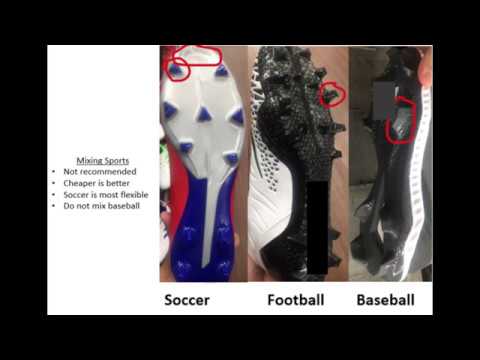
What is the difference between baseball cleats and soccer cleats? Baseball cleats typically feature a toe stud for digging into dirt during starts and stops, which soccer cleats lack. Soccer cleats are designed exclusively for grass surfaces and have uniform stud patterns without a front toe cleat. Wearing soccer cleats for baseball can compromise your traction on dirt infields, while wearing baseball cleats for soccer may feel awkward and provide unnecessary toe stud contact on grass.
Conclusion
A thoughtful baseball cleats buying guide should empower you to make confident, informed decisions about your footwear. From understanding the differences between metal, rubber, and molded cleats to recognizing the importance of fit, material quality, and position-specific features, every detail matters when it comes to maximizing your performance and protecting your body on the field. Take the time to assess your playing level, league regulations, field conditions, and personal comfort preferences before making a purchase. Invest in quality cleats that match your needs, maintain them properly, and replace them when they show signs of wear. The right pair of baseball cleats is not just equipment — it is a foundation for confidence, safety, and peak athletic performance every time you step onto the diamond.