


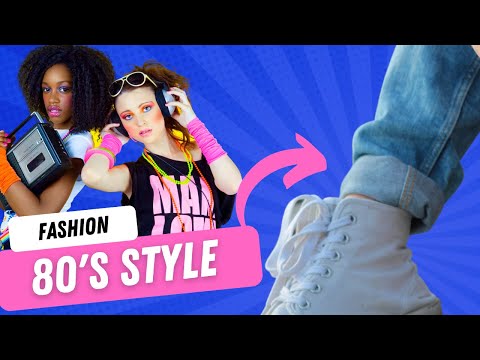
The 1980s remain one of the most influential and visually striking decades in fashion history. From bold shoulder pads and electric neon colors to the explosion of athleisure wear and oversized accessories, 1980 fashion trends reshaped how people expressed themselves through clothing. Whether you were channeling the power-dressing energy of Wall Street or the rebellious spirit of punk rock, the decade offered something for every style personality. Today, vintage 80s looks continue to inspire runway collections, streetwear, and everyday outfits around the world. In this deep dive, we explore the defining fashion movements, iconic subcultures, and lasting legacy of 1980s style that still resonates with fashion lovers decades later.
Major 1980s Fashion Trends That Defined the Decade
The 1980s were a period of bold experimentation, excess, and self-expression in fashion. Designers and consumers alike pushed boundaries with vibrant colors, unconventional silhouettes, and statement-making materials. The decade broke away from the minimalist leanings of the 1970s and embraced a philosophy where more was always more. Bright neons, metallics, and layered textures dominated wardrobes, while pop culture icons like Madonna, Michael Jackson, and David Bowie set the template for millions of fans worldwide. Understanding 1980s clothing trends means recognizing how music, television, and film fueled fashion movements that felt both aspirational and accessible.
Key elements of 1980s style included structured tailoring, dramatic volume, and playful patterns. The decade rejected the understated elegance of previous eras in favor of eye-catching, head-turning ensembles. Whether walking the runway in Paris or cruising the boardwalk on the West Coast, fashion in the 1980s was never boring. Below, we break down the most significant trends by gender, subculture, and occasion.
Women’s Fashion Trends of the 1980s
Power Suits and Exaggerated Shoulder Pads
Perhaps no single trend defines 1980s women’s fashion more than the power suit. Inspired by the rising ranks of female professionals in the corporate world, structured blazers with enormous shoulder pads became a uniform of ambition and confidence. Designers like Giorgio Armani and Claude Montana elevated the silhouette, using padded shoulders to create a commanding V-shape that projected authority and strength. The power suit was not just clothing — it was a statement about gender equality, workplace empowerment, and the refusal to conform to traditionally feminine expectations.
These suits came in a variety of fabrics, from crisp wool gabardine to shiny polyester and bold plaid patterns. Paired with high-waisted trousers or pencil skirts, the look was polished and intentional. Women wore power suits to boardrooms, but also to concerts, dinners, and casual outings, proving that the style transcended a single setting.
Leotards, Leggings, and the Aerobics Craze
The fitness boom of the 1980s brought a completely different fashion narrative. Influenced by icons like Jane Fonda and Olivia Newton-John, aerobics wear became a mainstream fashion staple. Brightly colored leotards, high-cut leggings, unitards, and off-the-shoulder tank tops dominated activewear collections. Spandex and nylon fabrics allowed for movement and shine, making every workout session feel like a performance.
The aerobics trend spilled over into everyday fashion, with many women pairing leotards with oversized sweatshirts, leg warmers, and ballet flats for a casual yet stylish look. This crossover between fitness and fashion laid the groundwork for modern athleisure and continues to influence contemporary streetwear trends.
Men’s Fashion Trends of the 1980s
Preppy and Polo Culture
On the opposite end of the spectrum from punk and rock, men’s 1980s fashion also celebrated a clean, polished preppy aesthetic. Brands like Ralph Lauren, Brooks Brothers, and Lacoste became synonymous with upscale casual dressing. The polo shirt, often worn with the collar popped, became an iconic staple of 80s menswear. Paired with khaki chinos, loafers, and cable-knit sweaters, the preppy look communicated wealth, education, and refinement.
Preppy fashion thrived in suburban communities, country clubs, and private schools, and it heavily influenced mainstream fashion through television shows like “The Fresh Prince of Bel-Air” and “Miami Vice” (which surprisingly blended preppy elements with a more relaxed, coastal vibe).
Rock, Metal, and Punk Influences
The 1980s music scene had an enormous impact on men’s fashion. Rock and metal bands like Guns N’ Roses, Mötley Crüe, and Motley Crüe popularized leather jackets, band tees, ripped jeans, heavy boots, and studded belts. Punk fashion, which carried over from the late 1970s, embraced safety pins, tartan plaids, shaved heads, and deliberately aggressive styling. Meanwhile, hair metal culture brought back tight leather pants, bandanas, and exaggerated hairstyles that demanded attention.
These subcultural styles gave men permission to experiment with gender-bending elements, bold colors, and unconventional combinations that challenged traditional masculinity in fashion.
Iconic Accessories and Style Elements of the 1980s
No discussion of 1980s fashion trends would be complete without addressing the accessories that elevated every outfit. The decade was obsessed with making a statement through details.
- Oversized Jewelry: Chunkiness was king. Large gold chains, statement earrings, bangles stacked to the elbow, and neon plastic accessories were everywhere.
- Leg Warmers: Originally designed for dance and aerobics, leg warmers became a fashion staple worn over leggings, jeans, or even alone with skirts.
- Wayfarer Sunglasses: Popularized by movies like “Risky Business,” oversized acetate frames became a signature accessory for both men and women.
- High-Top Sneakers: Nike Air Force 1s, Converse Chuck Taylors, and Reebok Classics dominated footwear trends.
- Parachute Pants: Also known as “hammers,” these baggy nylon pants with multiple pockets became a symbol of breakdancing culture and hip-hop fashion.
1980s Subcultures and Their Signature Fashion
The 1980s were defined by distinct subcultures, each with its own unmistakable fashion identity. Below is a comparison table highlighting how different groups expressed themselves through clothing.

| Subculture | Key Clothing Items | Color Palette | Influences |
| Punk | Leather jackets, ripped band tees, safety pins, combat boots | Black, red, white | Sex Pistols, The Clash, DIY ethos |
| Preppy | Polo shirts, khakis, loafers, cable-knit sweaters | Navy, burgundy, beige, white | Ivy League, country clubs, Ralph Lauren |
| Hip-Hop | Parachute pants, Adidas tracksuits, gold chains, sneakers | Bright primary colors, gold | Run-DMC, breakdancing, urban street culture |
| New Wave/Synthpop | Skinny ties, bold prints, asymmetrical cuts, neon accents | Electric blue, hot pink, lime green | Depeche Mode, Duran Duran, MTV |
| Glam Metal | Leather pants, bandanas, teased hair, graphic tees | Black, silver, red accents | Mötley Crüe, Bon Jovi, hair metal scene |
Each of these subcultures contributed unique elements to the broader tapestry of 1980s fashion trends, and many of their influences persist in contemporary style today.
How 1980s Fashion Influences Modern Style Today
The legacy of 1980s clothing trends is everywhere in modern fashion. High-fashion designers regularly reference shoulder pads, bold shoulders, and oversized silhouettes in their collections. The resurgence of 80s-inspired workout wear has given rise to the modern athleisure movement, with brands like Lululemon and Alo Yoga drawing direct inspiration from 80s aerobics culture. Even the chunky sneaker trend that dominates streetwear today traces its roots back to the high-top designs of the 1980s.
Y2K fashion revival and the growing interest in vintage clothing have further fueled demand for authentic 1980s pieces. Thrift stores and online vintage retailers regularly sell original 80s garments, and reproduction brands have capitalized on nostalgia by recreating classic silhouettes with modern fabrics. The cyclical nature of fashion ensures that the bold, unapologetic spirit of the 1980s will continue to resurface in new iterations for years to come.

For anyone looking to incorporate 1980s fashion elements into a modern wardrobe, expert stylists recommend starting with one or two statement pieces — a pair of high-waisted leggings, a cropped jacket with exaggerated shoulders, or a bold neon accessory — and building the rest of the outfit around that focal point. The key to wearing 80s-inspired looks authentically is confidence and intentionality, exactly the ethos the decade championed.
Conclusion
The 1980s were a revolutionary decade for fashion that celebrated individuality, creativity, and fearless self-expression. From the corporate power suit to the punk leather jacket, from aerobics leggings to glam metal leather pants, the decade offered a blueprint for dressing with personality and purpose. The fashion trends of the 1980s were more than just visual spectacles — they reflected cultural shifts, musical revolutions, and the growing confidence of diverse communities finding their voice through style. Decades later, the influence of 1980s fashion trends remains undeniable, reminding us that true style never goes out of fashion.
Frequently Asked Questions
What were the most iconic 1980s fashion trends for women?
The most iconic 1980s fashion trends for women included power suits with exaggerated shoulder pads, leotards paired with leg warmers, neon-colored aerobics wear, high-waisted jeans, off-the-shoulder tops, and bold oversized jewelry. These elements combined structure and playfulness in ways that defined the decade’s feminine fashion identity.
How did 1980s men’s fashion differ from today’s menswear?
1980s men’s fashion embraced bolder silhouettes, louder patterns, and more exaggerated accessories compared to modern menswear. Men wore padded shoulders, bright polo shirts with popped collars, parachute pants, leather jackets with studs, and heavily styled hair. Today’s menswear leans toward minimalism and clean lines, though 80s-inspired elements like oversized blazers and chunky sneakers have made comebacks.
Why are shoulder pads considered a defining element of 1980s fashion?
Shoulder pads became a defining element of 1980s fashion because they symbolized female empowerment and professional ambition. By broadening the shoulder line, they created a powerful, authoritative silhouette that mirrored the increasing presence of women in corporate and leadership roles. The trend extended beyond suits into dresses, jackets, and even casual tops, making it one of the most recognizable features of the decade’s fashion landscape.
What role did MTV play in shaping 1980s fashion trends?
MTV played a massive role in shaping 1980s fashion trends by bringing music videos into living rooms worldwide. Artists like Madonna, Michael Jackson, Prince, and Duran Duran became fashion icons overnight, and their on-screen outfits directly influenced consumer purchasing decisions. MTV accelerated the spread of subcultural styles like new wave, glam metal, and hip-hop fashion, making niche trends mainstream almost overnight.
Can I incorporate 1980s fashion trends into a modern everyday outfit?
Absolutely. The easiest way to incorporate 1980s fashion trends into a modern wardrobe is to start with one or two vintage-inspired pieces. Try pairing high-waisted mom jeans with a cropped graphic tee, adding a bold colored blazer with structured shoulders, or wearing high-top sneakers with leggings. The key is balance — mix one 80s statement piece with modern basics to create a look that feels fresh yet nostalgic.
Which 1980s subculture had the biggest lasting impact on fashion?
Hip-hop culture arguably had the biggest lasting impact on fashion from the 1980s. The streetwear elements popularized by hip-hop artists — oversized silhouettes, sneakers, gold jewelry, tracksuits, and graphic tees — evolved directly into the modern streetwear movement that dominates global fashion today. Brands like Nike, Adidas, and Supreme all trace part of their cultural DNA back to 1980s hip-hop fashion.