


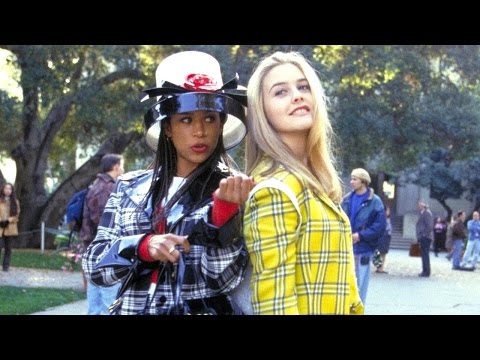
The 1990s remains one of the most influential decades in women’s fashion history, delivering a bold and eclectic mix of styles that continue to dominate runways, streetwear, and everyday wardrobes today. From the raw, rebellious energy of grunge fashion to the sleek minimalism championed by Calvin Klein, the nineties gave women an unprecedented range of aesthetics to explore. Whether you are a fashion enthusiast looking to revive vintage looks or a curious reader wanting to understand how nineties trends shaped modern style, this comprehensive guide covers everything you need to know about 90s women’s fashion trends in detail.

The Rise of Grunge Fashion
Grunge fashion arguably became the defining style movement of the early 1990s, rooted in the Seattle music scene and popularized by bands like Nirvana, Pearl Jam, and Soundgarden. What started as a subculture expression quickly evolved into a mainstream wardrobe staple embraced by millions of women worldwide. The aesthetic rejected the polished, glamorous styles of the 1980s in favor of something deliberately unkempt, effortless, and anti-establishment.
Key Elements of Grunge Style
If you want to nail the grunge look, these are the essential pieces every wardrobe should include:
- Oversized flannel shirts — Worn open over band tees or tied around the waist, flannel was the unofficial uniform of grunge.
- Ripped and faded denim jeans — Distressed skinny jeans or loose bootcut pairs gave that lived-in, rebellious feel.
- Band t-shirts — Graphics from iconic rock bands served as both fashion statements and cultural references.
- Combat boots and Doc Martens — Heavy, lace-up boots added an edgy, grounded vibe to any outfit.
- Thrift store finds — Layering secondhand clothing was central to the grunge philosophy, making every look intentionally vintage.
Grunge fashion was more than just a clothing style; it was a cultural statement about rejecting consumerism and embracing authenticity. The beauty of grunge lay in its imperfection — messy hair, smudged eyeliner, and mismatched layers all contributed to its widespread appeal among women who wanted to look effortlessly cool without trying too hard.
Minimalist Chic: The Calvin Klein Effect
On the opposite end of the spectrum, minimalist fashion took the 90s by storm, largely driven by the iconic designer Calvin Klein and his clean, pared-back silhouettes. The minimalist movement emphasized quality fabrics, neutral color palettes, and architectural cuts that celebrated simplicity as the ultimate sophistication.
Defining Characteristics of 90s Minimalism
- Slip dresses — Delicate silk and satin slip dresses became synonymous with understated elegance, often layered over plain white t-shirts for a dual-tone effect.
- Barely there makeup — Glossy lips, barely-there foundation, and brushed-up brows defined the minimalist beauty look of the era.
- Monochromatic palettes — Black, white, beige, and navy dominated wardrobes, creating versatile capsule-style outfits.
- Structured tailoring — Pencil skirts, blazers with clean lines, and tailored trousers reflected a professional yet modern sensibility.
The minimalist approach to 90s fashion influenced an entire generation of women who prioritized versatility and timelessness over flashy trends. Today, the Calvin Klein minimalist ethos continues to inspire capsule wardrobes and sustainable fashion choices.
Casual Cool: The Everyday 90s Wardrobe
The 1990s were the golden age of casual fashion, where comfort met style in ways that felt completely natural. From school hallways to shopping malls, everyday outfits reflected a carefree attitude that valued personal expression above all else.
Essential Casual Pieces
- Mom jeans — High-waisted, relaxed-fit denim with a slightly faded wash became a staple for women of all ages.
- Chokers — Whether made of velvet, plastic, or thin chains, choker necklaces were one of the most ubiquitous 90s accessories.
- Platform shoes and chunky sneakers — Brands like Buffalo and Reebok Pump dominated footwear choices, adding height and attitude.
- Windbreakers and track jackets — Lightweight, often branded with athletic logos, these jackets bridged the gap between sportswear and streetwear.
- Scrunchies and butterfly clips — Hair accessories were everywhere, adding a playful finishing touch to any casual look.
What made 90s casual fashion so enduring is its accessibility. The clothes were comfortable, affordable, and easy to mix and match, making them ideal for building a versatile everyday wardrobe.
Athletic Wear and the Fitness Revolution
The 1990s fitness boom transformed activewear from gym-exclusive clothing into a legitimate fashion category. Influenced by aerobics videos, the rise of gyms like Equinox, and celebrities like Jane Fonda and later Jennifer Aniston in “Friends,” athletic-inspired fashion became a dominant force in women’s closets.
Fitness Fashion Essentials of the 90s
- High-cut leotards and bike shorts — Often worn as outerwear with oversized t-shirts or cropped sweatshirts.
- Leggings and footless tights — Worn with oversized sweatshirts for a sleek, sporty aesthetic.
- Cropped sports tops — Breathable mesh and cotton blends in bold colors like neon pink, lime green, and electric blue.
- Sweatbands and headbands — Wrist and forehead accessories added a fitness-inspired finishing touch to casual outfits.
The fitness trend of the 90s laid the groundwork for modern athleisure, proving that functional clothing could be fashionable outside the gym. Today’s billion-dollar athleisure industry owes a significant debt to the 90s pioneers who normalized wearing workout gear as everyday fashion.

Hip-Hop Streetwear Goes Mainstream
As hip-hop culture exploded in popularity during the 1990s, its influence on women’s fashion became impossible to ignore. The streetwear aesthetic brought baggy silhouettes, bold logos, and urban edge into mainstream women’s fashion, challenging traditional feminine norms and celebrating a more androgynous look.
Iconic hip-hop inspired pieces included oversized graphic tees, baggy jeans worn with statement belts, Timberland boots, and snapback hats worn at slightly tilted angles. Artists like TLC, Aaliyah, and Missy Elliott played a pivotal role in popularizing these styles, proving that women could embrace the boldness and confidence of streetwear without sacrificing personal identity.
Comparison: Iconic 90s Fashion Trends Then vs. Now
The following table highlights how major 90s fashion trends have evolved and resurfaced in contemporary fashion:
| 1990s Trend | Original Style | Modern Revival |
| Mom Jeans | High-waisted, relaxed fit, faded wash | Skinny and straight-leg reinterpretations |
| Slip Dresses | Silk, minimal, neutral tones | Layered with hoodies or turtlenecks |
| Platform Sneakers | Chunky soles, bright colors | Elevated sole designs by Balenciaga |
| Chokers | Velvet, plastic, thin chain | Delicate gold and pearl variations |
| Grunge Layers | Flannel, ripped jeans, boots | Pre-distressed vintage-inspired pieces |
| Cropped Cardigans | Knitted, pastel, button-down | Oversized knit versions for layering |
| Windbreakers | Lightweight, branded logos | Luxury designer collaborations |
Expert Tips for Incorporating 90s Fashion Today
If you want to bring 90s trends into your modern wardrobe without looking costume-like, these practical recommendations will help you strike the right balance:
- Start with one 90s piece per outfit. Mixing a single vintage-inspired item — like mom jeans or a slip dress — with contemporary basics creates a curated, modern look.
- Focus on quality fabrics. The 90s embraced both luxury and thrift-store finds. Invest in well-made slip dresses or high-quality denim rather than cheap replicas.
- Accessorize intentionally. A single choker, scrunchie, or pair of platform shoes can instantly elevate a modern outfit with a 90s vibe.
- Mix eras thoughtfully. Pairing a grunge flannel with sleek modern boots, or a slip dress with chunky sneakers, creates a fashion-forward hybrid that feels current.
- Embrace bold colors and prints. The 90s were unafraid of bright hues and graphic patterns. Don’t shy away from neon accents or animal prints when channeling the era.
Fashion experts consistently note that the secret to wearing 90s trends authentically lies in confidence. The decade was defined by women who wore their clothes with attitude and individuality, so the most important tip is simply to have fun with it.
Frequently Asked Questions
What were the most popular 1990s women’s fashion trends?
The most popular 1990s women’s fashion trends included grunge fashion featuring flannel shirts and combat boots, minimalist slip dresses inspired by Calvin Klein, casual mom jeans and chokers, hip-hop streetwear with baggy silhouettes, and the fitness boom that popularized bike shorts and cropped athletic tops. Each trend reflected different cultural movements, from music-driven subcultures to mainstream celebrity influence.
How can I recreate authentic 90s outfits today?
To recreate authentic 90s outfits today, start by investing in key wardrobe staples like high-waisted mom jeans, oversized flannel shirts, slip dresses, platform sneakers, and choker necklaces. Pair these pieces with modern basics to avoid looking overly costume-like. Thrift stores are excellent sources for genuine 90s vintage pieces, and many contemporary brands now offer modern interpretations of classic 90s silhouettes. Focus on layering, bold accessories, and mixing high and low fashion pieces the way women did in the decade.
What brands defined 90s women’s fashion?
Several brands became synonymous with 1990s women’s fashion, including Calvin Klein for minimalist elegance, Vera Wang for iconic slip dresses, Doc Martens for grunge footwear, Baby Phat and FUBU for hip-hop streetwear, Champion and Nike for athletic-inspired casual wear, and Versace for bold prints and luxury evening looks. Independent and regional brands also played significant roles, as the decade celebrated individuality and diversity in fashion choices.
What are the key accessories from 90s fashion that are worth revisiting?
The most worth-revisiting 90s accessories include choker necklaces in velvet, plastic, or chain styles; scrunchies in bright colors and patterns; butterfly hair clips; platform shoes and chunky sneakers; statement belt buckles worn over baggy jeans; small handbags and crossbody purses; and layered body chains or tattoo-inspired temporary jewelry. These accessories add instant authenticity to any modern outfit inspired by the decade.
How did 90s streetwear influence modern fashion?
90s streetwear profoundly influenced modern fashion by normalizing the fusion of athletic wear with everyday clothing, popularizing oversized silhouettes and logo-centric designs, and bridging the gap between high fashion and urban culture. Today’s athleisure movement, luxury streetwear collaborations, and the widespread acceptance of sneakers as formal-adjacent footwear all trace their roots directly back to the fashion innovations of the 1990s. Designers like Virgil Abloh and brands like Supreme continue to build upon the foundation laid by 90s streetwear pioneers.
Conclusion
The 1990s was a transformative decade for women’s fashion that gave birth to styles ranging from grunge rebellion to minimalist sophistication, athletic wear to hip-hop streetwear, and casual cool to bold experimentation. Each trend reflected the cultural moment it emerged from, whether that was the anti-establishment music scene, the fitness revolution, or the mainstream acceptance of hip-hop culture. What makes 90s fashion so timeless is its versatility — the decade offered something for every woman, every body type, and every personal style. Today, 90s trends continue to evolve and resurface on runways and streets worldwide, proving that the fashion of the nineties was not just a passing moment but a foundational chapter in the history of women’s style. Whether you embrace the full grunge aesthetic or simply borrow a slip dress or a pair of platform sneakers, incorporating 90s fashion into your wardrobe is a celebration of individuality, creativity, and the enduring power of self-expression through clothing.