Starting a beauty company is one of the most exciting yet competitive ventures in today’s global market. Whether you are an aspiring entrepreneur dreaming of launching a skincare line or an established cosmetics brand looking to scale, understanding the landscape of the beauty industry is absolutely essential. The beauty company ecosystem has evolved dramatically over the past decade, shifting from traditional retail giants to agile, digitally native brands that connect directly with consumers through social media and e-commerce. In this comprehensive guide, we will explore what defines a modern beauty company, the different types that exist, practical steps for building one from scratch, and expert strategies that separate the brands that thrive from those that fade into obscurity.
What Is a Beauty Company?
A beauty company is a business entity that designs, manufactures, and sells products related to personal care, cosmetics, skincare, haircare, fragrance, or wellness. These companies range from solo-founded startups operating out of home labs to multinational conglomerates that dominate shelf space in every major retail chain worldwide. At its core, a beauty company exists to solve a specific consumer problem or enhance a person’s self-care routine through thoughtfully formulated products. What has changed dramatically in recent years is how these companies reach their customers. Digital marketing, influencer partnerships, and direct-to-consumer (DTC) models have completely reshaped the competitive dynamics of this industry.
Today’s successful beauty brands understand that product quality alone is not enough. Consumers expect transparency in ingredient sourcing, ethical manufacturing practices, sustainable packaging, and a brand story that resonates emotionally. The modern beauty consumer is educated, skeptical, and highly intentional about what they put on their skin and hair. This shift has created opportunities for smaller, niche beauty companies to compete alongside legacy giants.
Types of Beauty Companies
The beauty industry is incredibly diverse, and no two companies operate in exactly the same way. Understanding the different categories can help aspiring founders identify where their strengths and passions align best.
Skincare-Focused Brands
Skincare companies specialize in products designed to cleanse, treat, protect, and nourish the skin. This category has exploded in popularity, driven by the “skinimalism” movement and consumers’ growing interest in evidence-based ingredients like hyaluronic acid, retinoids, niacinamide, and peptides. Many modern skincare beauty companies build their entire brand identity around a single hero ingredient or a specific skin concern such as acne, aging, or hyperpigmentation.
Hair Care and Color Companies
Hair care brands range from sulfate-free shampoo lines to professional salon color systems and curly hair care specialists. Companies in this space often differentiate themselves through unique formulations, cruelty-free commitments, or culturally inclusive shade ranges. The rise of the curly girl method and the natural hair movement has created fertile ground for specialized hair care beauty companies.
Cosmetic and Makeup Houses
Cosmetic companies produce makeup products including foundation, lipstick, eyeshadow, mascara, and blush. This category has historically been dominated by a handful of major players, but independent and indie beauty companies have carved out significant market share by offering inclusive shade ranges, refillable packaging, and bold, trend-driven product launches.
Wellness and Fragrance Brands
Some beauty companies operate at the intersection of personal care and wellness, offering aromatherapy products, body oils, bath soaks, and wellness supplements. Fragrance houses, both niche and designer, also fall under the broader beauty company umbrella, with many independent perfumers launching direct-to-consumer fragrance lines that challenge traditional department store brands.
How to Start a Beauty Company
Building a beauty company from the ground up requires careful planning, regulatory awareness, and a deep understanding of your target market. Here is a practical roadmap that covers the essential stages.
Market Research and Niche Selection
The first step in launching any beauty company is identifying a specific market gap or underserved consumer need. Broad categories like “skincare” or “makeup” are too competitive without a clear differentiator. Instead, focus on a niche such as vegan skincare for sensitive skin, affordable luxury haircare, or clean fragrance for men. Conduct thorough market research by analyzing competitor brands, studying consumer reviews, and identifying trending ingredient conversations on platforms like TikTok, Reddit, and beauty blogs.
Product Development and Formulation
Once you have identified your niche, the next step is product development. This involves working with cosmetic chemists or contract manufacturers to create formulations that are safe, stable, and effective. Every beauty company must comply with local regulatory standards, which in the United States means adhering to FDA guidelines for cosmetic safety, proper labeling, and Good Manufacturing Practices (GMP). For skincare and haircare products, stability testing and microbiological testing are non-negotiable before any product reaches a customer.
Branding and Packaging Strategy
Your brand identity is arguably the most powerful asset your beauty company can possess. Packaging design, brand voice, logo, and overall visual aesthetic must communicate your values instantly. Today’s consumers respond strongly to sustainable packaging, minimalist design, and transparent labeling that lists every ingredient clearly. Your packaging is often the first physical interaction a customer has with your brand, so it must feel premium and intentional.
Distribution and Sales Channels
Deciding how to sell your products is a critical strategic choice. Many new beauty companies begin with a DTC model through their own website, which offers higher profit margins and direct customer relationships. As the brand grows, expanding into retail channels such as Sephora, Ulta, or specialty boutiques can dramatically increase visibility. Some brands also succeed through online marketplaces like Amazon, though this comes with its own competitive challenges.
Key Factors That Separate Successful Beauty Companies

What sets the most successful beauty companies apart from the countless ones that fail within the first two years? Several critical factors come into play.
- Authentic Brand Storytelling — Consumers buy into stories, not just products. The most compelling beauty brands have a clear origin story, mission, and set of values that customers can identify with.
- Ingredient Transparency — Modern consumers read labels and research ingredients. Companies that openly share their formulation philosophy and sourcing practices build lasting trust.
- Community Building — Successful beauty companies invest heavily in building engaged communities through social media, loyalty programs, and user-generated content campaigns.
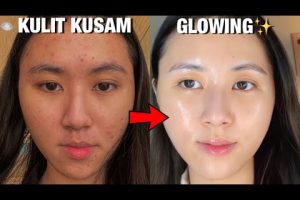
- Product Efficacy — No amount of marketing can sustain a beauty brand if the products do not deliver visible results. Clinical testing, customer testimonials, and before-and-after evidence are powerful trust signals.
- Agility and Trend Awareness — The beauty industry moves fast. Companies that can quickly adapt to emerging trends, seasonal demands, and shifting consumer preferences maintain relevance over time.
Comparison of Beauty Company Business Models

| Business Model | Profit Margin | Startup Cost | Scalability | Best For |
| Direct-to-Consumer (DTC) | High (60-80%) | Medium | High | Indie founders, niche brands |
| Retail Wholesale | Moderate (30-50%) | High | Medium | Established brands seeking shelf space |
| Subscription Box Model | Moderate (40-60%) | Medium-High | High | Curated beauty discovery brands |
| Private Label Manufacturing | Low-Moderate (20-40%) | Low | Low | Retailers and resellers without R&D teams |
| Crowdsourced / Influencer-Led | High (50-75%) | Low-Medium | Medium | Social media-native founders |
Expert Tips for Aspiring Beauty Entrepreneurs
- Start small and validate before scaling. Launch with a limited product line of three to five SKUs. Test market demand, gather real customer feedback, and refine your formulations before investing heavily in expansion.
- Invest in professional packaging design. In the beauty industry, visual appeal drives purchase decisions. A well-designed label and container can be the difference between a scroll-past and a click-to-buy.
- Build an email list from day one. Social media algorithms change constantly, but your email list is an owned asset. Use lead magnets like free guides, discount codes, or sample offers to capture customer emails early.
- Prioritize customer experience. Unboxing experience, shipping speed, return policies, and personalized recommendations all contribute to repeat purchases and word-of-mouth referrals.
- Stay compliant with regulations. Cosmetic labeling laws vary by country. Ensure your product labels include ingredient lists, batch numbers, expiration dates, and any required safety warnings before you sell a single unit.
- Leverage micro-influencers. Instead of spending your entire marketing budget on celebrity endorsements, partner with micro-influencers who have highly engaged, niche audiences. Their recommendations often carry more credibility and generate higher conversion rates.
Frequently Asked Questions
What does it cost to start a beauty company?
The startup cost for a beauty company can range from as little as $2,000 for a private label venture to $100,000 or more for a fully custom-formulated brand with professional packaging, branding, and marketing investment. Most successful indie beauty companies begin with an investment between $5,000 and $25,000 during their first year of operation.
Do I need a cosmetic chemist to launch a beauty brand?
Not necessarily. Many new beauty companies partner with contract manufacturers or formulation labs that have licensed cosmetic chemists on staff. You do not need to be a chemist yourself, but you should work closely with professionals who can ensure your formulations are safe, stable, and compliant with cosmetic regulations in your target markets.

What is the fastest-growing segment in the beauty industry right now?
Clean beauty, gender-neutral grooming, and clinically backed skincare are currently the fastest-growing segments. Consumers increasingly prioritize products that are sustainably sourced, free from harmful chemicals, and backed by scientific research rather than marketing hype.
Social media is arguably the single most important marketing channel for a new beauty company. Platforms like Instagram, TikTok, and YouTube allow beauty brands to showcase products visually, build community, and drive direct sales without the overhead of traditional advertising. A strong social media presence can accelerate brand awareness far faster than any other channel.
Can a small beauty company compete with established brands?
Absolutely. Many of today’s most successful beauty companies started as small, niche brands that competed by offering something the large players did not — whether that was a specific ingredient focus, a more inclusive shade range, sustainable packaging, or a stronger community connection. Agility and authenticity are your greatest competitive advantages as a small brand.
Final Thoughts
The beauty company landscape is richer and more accessible than ever before. Whether you are launching a clean skincare line, a revolutionary haircare brand, or a bold cosmetics startup, the path to success lies in combining product quality with authentic storytelling, strategic marketing, and an unwavering commitment to your customers. The brands that win in this space are not just selling products — they are building movements, fostering trust, and creating experiences that make people feel confident and empowered every single day. If you have a vision for a beauty company, there has never been a better time to bring it to life.