


The business e-commerce landscape has transformed from a niche digital experiment into a global commercial powerhouse that redefines how companies buy, sell, and interact with customers. Whether you are a startup founder testing a new product idea or an enterprise leader scaling operations across continents, understanding the mechanics, strategies, and tools behind online commerce is no longer optional—it is essential. This comprehensive guide dives deep into what business e-commerce truly involves, the models that drive it, the platforms that power it, and the proven strategies that separate thriving online businesses from those that simply fade into digital noise.
What Business E-Commerce Really Means

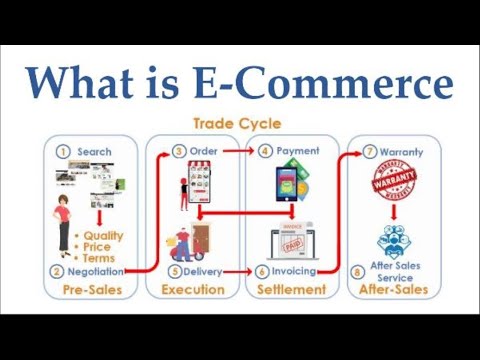
At its core, business e-commerce refers to any commercial transaction conducted electronically over the internet. This encompasses the entire lifecycle of buying and selling goods, services, and digital assets, including marketing, payment processing, order fulfillment, customer support, and post-sale engagement. While many people associate e-commerce with retail stores like Amazon or Shopify storefronts, the reality is far broader. Business e-commerce includes wholesale distribution portals, subscription service platforms, enterprise procurement systems, and even peer-to-peer marketplaces.
What makes modern e-commerce so powerful is the convergence of mobile technology, cloud computing, data analytics, and logistics infrastructure. A small business owner in Nairobi can now sell handmade goods to customers in Berlin, process payments in local currencies, and manage inventory through a single dashboard—all without ever touching a physical product. This democratization of digital commerce has opened doors for millions of entrepreneurs worldwide.
The Digital Commerce Ecosystem
The ecosystem behind business e-commerce is layered and interconnected. It spans front-end customer experiences, back-end inventory management, third-party payment gateways, shipping integrations, and robust analytics platforms. Each layer plays a critical role in ensuring smooth operations. For instance, a customer browsing a product page interacts with front-end technologies like React or Vue.js, while the same session triggers back-end processes involving database queries, fraud detection algorithms, and real-time stock synchronization. Understanding how these layers work together is fundamental to building a resilient e-commerce operation.
Why E-Commerce Is the Backbone of Modern Business
The shift toward digital commerce accelerated dramatically after 2020, but the trajectory was already well established before the pandemic. Global e-commerce sales surpassed $5.7 trillion in 2022 and continue to grow at a compound annual growth rate exceeding 10 percent. Businesses that fail to establish or optimize their online presence risk losing market share to competitors who have mastered the digital customer journey.
Here are the key reasons why e-commerce has become indispensable for modern business:
- Global Reach Without Geographic Boundaries: An online store operates 24 hours a day, seven days a week, reaching customers across time zones and continents without the overhead of physical retail locations.
- Lower Operational Costs: Without the need for expensive storefront leases, large in-store staff, or heavy utility costs, e-commerce businesses can operate with leaner overhead and higher profit margins.
- Data-Driven Decision Making: Every click, cart abandonment, and purchase generates actionable data. E-commerce platforms provide detailed analytics that help business owners refine pricing strategies, optimize product descriptions, and personalize the shopping experience.
- Scalability and Flexibility: Unlike brick-and-mortar stores constrained by physical space, online businesses can scale rapidly by adding new product lines, entering new markets, or integrating additional sales channels with relative ease.
- Customer Expectations Have Shifted: Modern consumers expect seamless, fast, and personalized shopping experiences. Businesses that do not meet these expectations lose customers to competitors who do.
Types of Business E-Commerce Models
Not all e-commerce is the same. Different business models serve different markets, and choosing the right one depends on your target audience, product type, and revenue goals.
B2B E-Commerce
Business-to-business e-commerce involves transactions between companies rather than between businesses and individual consumers. This model includes wholesale platforms, bulk ordering portals, and supplier procurement systems. B2B e-commerce transactions tend to be higher in value, involve longer sales cycles, and require sophisticated pricing tiers, credit management, and bulk shipping logistics. Companies like Alibaba and ThomasNet have built entire ecosystems around connecting manufacturers with buyers on a global scale.
B2C E-Commerce
Business-to-consumer e-commerce is what most people think of when they hear the term online shopping. This model covers everything from direct-to-consumer fashion brands selling through their own websites to large retailers offering multi-channel shopping experiences. B2C businesses focus heavily on marketing, brand storytelling, customer experience, and conversion optimization to drive sales from individual buyers.
C2C and Hybrid Models
Consumer-to-consumer platforms like eBay and Etsy enable individuals to sell directly to other consumers. Meanwhile, hybrid models combine elements of B2B and B2C, allowing businesses to sell wholesale to retailers while also offering direct-to-consumer storefronts on the same platform. These hybrid approaches are increasingly popular because they maximize revenue streams and reduce dependency on a single sales channel.
Building a Scalable E-Commerce Business
Starting an online business requires more than just listing products on a website. Sustainable growth demands strategic planning across multiple dimensions, from technology infrastructure to customer retention strategies.
- Define Your Niche and Value Proposition: Before investing in technology, clearly identify the problem you are solving and what makes your offering unique. Conduct thorough market research to understand your competitors and target audience.
- Choose the Right E-Commerce Platform: Your platform determines your site’s functionality, scalability, and ease of management. Consider factors like customization options, available integrations, monthly costs, and transaction fees.
- Optimize Product Pages for Conversion: Each product page should feature high-quality images, detailed descriptions, customer reviews, clear pricing, and compelling calls-to-action. Every element should guide the visitor toward making a purchase decision.
- Implement Robust Payment and Security Infrastructure: Offer multiple payment options including credit cards, digital wallets, buy-now-pay-later services, and regional payment methods relevant to your target markets. Ensure your site is PCI compliant and uses SSL encryption.
- Build a Content and SEO Strategy: E-commerce success depends heavily on organic search visibility. Invest in keyword research, product page optimization, blog content, and technical SEO to drive consistent traffic without relying solely on paid advertising.
- Prioritize Customer Retention: Acquiring a new customer is significantly more expensive than retaining an existing one. Implement email marketing sequences, loyalty programs, personalized recommendations, and exceptional post-purchase support.
Choosing the Right E-Commerce Platform
Selecting an e-commerce platform is one of the most consequential decisions you will make. Each platform has distinct strengths, and the right choice depends on your business size, technical expertise, and growth ambitions. The table below compares several leading platforms across critical dimensions.
| Platform | Best For | Starting Price (Monthly) | Transaction Fees | Key Strength |
| Shopify | Small to Medium Businesses | $39/month | 0.5% – 2% | Ease of use and app ecosystem |
| WooCommerce | WordPress Users / Custom Solutions | Free (hosting costs apply) | None (platform is free) | Full customization and flexibility |
| BigCommerce | Growing Businesses Needing Scale | $39/month | None on entry plans | Built-in features without add-ons |
| Adobe Commerce (Magento) | Enterprise-Level Operations | Custom pricing | Varies | High scalability and complex configurations |
| Wix eCommerce | Beginners and Creatives | $27/month | 2.6% + processing fees | Drag-and-drop design simplicity |
Payment Processing and Security Considerations
Payment processing is the lifeblood of any online business. Customers expect fast, secure, and frictionless checkout experiences. Leading payment gateways like Stripe, PayPal, and Square offer robust APIs that integrate seamlessly with most major e-commerce platforms. When configuring your payment infrastructure, consider the following:
- Support for multiple currencies if you sell internationally
- Tokenization and encryption to protect sensitive customer data
- Fraud detection tools that flag suspicious transactions in real time
- Transparent fee structures that do not erode your profit margins
- Support for digital wallets like Apple Pay, Google Pay, and Samsung Pay
SEO and Digital Marketing Strategies for E-Commerce
Driving traffic to your online store requires a multifaceted digital marketing approach. While paid advertising delivers immediate results, organic search strategies build long-term, sustainable visibility that compounds over time.
Start with comprehensive keyword research focused on commercial intent terms. Instead of targeting generic phrases like “buy shoes,” target long-tail variations such as “best running shoes for flat feet under 100 dollars.” These phrases have lower search volume but significantly higher conversion rates because the searcher already has purchase intent.
Technical SEO for e-commerce involves optimizing site speed, implementing structured data markup for products and reviews, creating clean URL structures, and ensuring mobile responsiveness. Page load speed is particularly critical—studies show that a one-second delay in page load time can reduce conversions by up to seven percent. Use tools like Google PageSpeed Insights and Lighthouse to regularly audit and improve performance.
Beyond SEO, invest in email marketing automation, social commerce integrations, retargeting campaigns, and influencer partnerships. Each channel serves a different purpose in the customer journey, from awareness and consideration to purchase and advocacy.
Expert Tips for Long-Term E-Commerce Growth
Sustainable e-commerce growth requires discipline and continuous optimization. Here are expert recommendations that separate profitable businesses from struggling ones:
- Focus on Customer Lifetime Value: Calculate the average revenue per customer over their entire relationship with your brand. Invest in strategies that increase this metric, such as upselling, cross-selling, and subscription models.
- Automate Repetitive Tasks: Use tools for automated inventory syncing, order tracking notifications, abandoned cart recovery emails, and customer segmentation. Automation frees up time for strategic decision-making.
- Test and Iterate Relentlessly: Run A/B tests on product pages, checkout flows, email subject lines, and ad creatives. Let data guide your decisions rather than assumptions.
- Diversify Sales Channels: Do not rely on a single channel. Expand to marketplaces like Amazon, social commerce platforms like Instagram Shop and TikTok Shop, and wholesale relationships to spread risk and reach new audiences.
- Invest in Brand Storytelling: Consumers increasingly buy from brands they trust and connect with. Share your origin story, values, and behind-the-scenes content to build emotional loyalty that transcends price comparisons.
Frequently Asked Questions
What is the best e-commerce platform for a small business starting out?
Shopify remains the top recommendation for most small businesses due to its intuitive interface, extensive app marketplace, and all-in-one hosting solution. However, WooCommerce offers greater flexibility for businesses already using WordPress, while BigCommerce provides robust built-in features without requiring third-party apps.
How much does it cost to start an e-commerce business?
Startup costs vary widely depending on your model and platform choice. A basic store using Shopify can launch for as little as $50 to $100 per month covering hosting, a domain, and essential apps. However, factor in additional costs for product sourcing, initial inventory, marketing budgets, and professional photography. A realistic first-year budget for a modest online store ranges from $2,000 to $10,000.
What is the difference between e-commerce and digital commerce?
While the terms are often used interchangeably, digital commerce encompasses a broader scope that includes not only buying and selling but also marketing, payment processing, analytics, supply chain management, and customer experience design. E-commerce is essentially the transactional component within the larger digital commerce ecosystem.
How do e-commerce businesses handle international shipping and customs?
Successful international e-commerce businesses partner with fulfillment centers located in key regions, use integrated shipping solutions like ShipStation or Easyship that calculate duties and taxes automatically, and provide clear customs documentation at checkout. Transparent communication about shipping times and potential import fees reduces cart abandonment and builds customer trust.
What role does artificial intelligence play in modern e-commerce?
AI powers product recommendations, dynamic pricing, chatbots for customer support, demand forecasting, fraud detection, and personalized marketing campaigns. Leading e-commerce companies use machine learning algorithms to analyze customer behavior patterns and deliver hyper-personalized shopping experiences that drive higher conversion rates and customer satisfaction.
How important is mobile optimization for e-commerce success?
Extremely important. Mobile devices account for over 60 percent of global e-commerce website traffic. A site that is not optimized for mobile—fast loading, easy navigation, simplified checkout—will lose the majority of potential customers. Implementing progressive web apps or mobile-first responsive design is no longer a luxury but a fundamental requirement.
Conclusion
Business e-commerce is not just a trend—it is the fundamental architecture of modern commerce. From the smallest handmade goods store to the largest multinational corporation, the principles of digital selling apply universally. Success in this space demands a combination of strategic thinking, technical competence, customer empathy, and relentless optimization. By choosing the right business model, leveraging the appropriate platform, investing in SEO and customer retention, and staying adaptable to emerging technologies like AI and social commerce, any business can build a thriving online presence. The digital marketplace rewards those who treat it as a living, evolving ecosystem rather than a static website. Start where you are, stay committed to learning, and let data guide every decision on your e-commerce journey.