A healthy diet is not about strict restrictions, unrealistic weight-loss goals, or depriving yourself of the foods you love. Instead, it is about building sustainable eating habits that nourish your body, sharpen your mind, and support long-term vitality. When most people search for an example of a healthy diet, they are looking for a practical, actionable blueprint they can follow every single day. This guide delivers exactly that — broken down into beginner-friendly foundations, intermediate strategies, and advanced optimization techniques so that readers at every stage of their wellness journey can find real value.
Understanding what constitutes a balanced plate is the first step toward lasting change. A truly nutritious eating pattern combines macronutrients — carbohydrates, proteins, and fats — in proportions that fuel energy, repair tissue, and regulate hormones. It also prioritizes micronutrients such as vitamins, minerals, and phytonutrients that many modern diets dangerously lack. The best part? You do not need expensive superfoods or complicated recipes. Whole, minimally processed foods form the backbone of every effective example of a healthy diet.
What Makes a Diet Truly Healthy?
Before diving into meal examples, it helps to understand the principles behind a healthy eating pattern. Nutritional science has evolved significantly, and today’s dietary guidelines emphasize whole-food synergy over isolated nutrient chasing. Here is what experts consistently recommend:
- Variety: Eating a wide range of foods ensures you receive diverse vitamins, minerals, and antioxidants.
- Balance: No single food group should dominate your plate — carbohydrates, proteins, and fats all play essential roles.
- Moderation: Even healthy foods can contribute to imbalances when consumed in excess.
- Nutrient Density: Prioritizing foods that deliver maximum nutrition per calorie is a cornerstone of clean eating.
- Hydration: Water is the most overlooked yet critical component of any balanced nutrition plan.
When researchers study populations with the longest lifespans — often referred to as Blue Zones — the common thread is not a single miracle food. It is a pattern rich in vegetables, legumes, whole grains, nuts, and lean proteins. This approach aligns closely with both the Mediterranean diet and the DASH diet, two of the most evidence-backed eating patterns in modern nutrition.
Core Components of a Healthy Diet Plan
A well-structured example of a healthy diet rests on several nutritional pillars. Each component serves a unique purpose, and together they create a comprehensive framework for optimal health.
Macronutrients: The Big Three
Carbohydrates are your body’s primary energy source. The key is choosing complex carbohydrates — oats, quinoa, sweet potatoes, and whole-grain bread — over refined sugars and white flour. Complex carbs digest slowly, stabilizing blood sugar and keeping you fuller longer.
Proteins support muscle repair, immune function, and satiety. Excellent sources include lean poultry, fish, eggs, legumes, tofu, and Greek yogurt. The recommended intake varies by activity level, but a general guideline is 0.8 to 1.2 grams per kilogram of body weight for most adults.
Healthy Fats are essential for hormone production, brain health, and nutrient absorption. Avocados, olive oil, nuts, seeds, and fatty fish like salmon provide monounsaturated and polyunsaturated fats that protect cardiovascular health.
Micronutrients and Phytonutrients
Beyond macros, a truly healthy diet emphasizes vitamins and minerals. Dark leafy greens deliver iron, calcium, and folate. Berries provide antioxidants like anthocyanins. Citrus fruits offer vitamin C. Seeds and nuts supply zinc and magnesium. Aim for at least five servings of fruits and vegetables daily, and rotate your choices to maximize coverage.
Fiber and Gut Health
Dietary fiber feeds beneficial gut bacteria, supports digestion, and helps regulate cholesterol. Whole grains, vegetables, fruits, legumes, nuts, and seeds are all excellent fiber sources. Most adults fall short of the recommended 25–38 grams per day, making fiber one of the most impactful areas to improve.
Sample Healthy Diet Plan for Beginners
If you are just starting your journey toward better nutrition, a structured daily plan removes guesswork. Below is a realistic, approachable example of a healthy diet that anyone can follow:
- Breakfast: Overnight oats made with rolled oats, chia seeds, fresh berries, and a drizzle of honey. Pair with a boiled egg and a glass of water.
- Mid-Morning Snack: A small apple with two tablespoons of almond butter.
- Lunch: Grilled chicken salad with mixed greens, cherry tomatoes, cucumber, quinoa, avocado, and a lemon-olive oil dressing.
- Afternoon Snack: Greek yogurt topped with walnuts and a sprinkle of cinnamon.
- Dinner: Baked salmon, roasted sweet potatoes, steamed broccoli, and a side of mixed greens.
- Evening (Optional): A cup of herbal tea and a small handful of dark chocolate (70% cacao or higher).
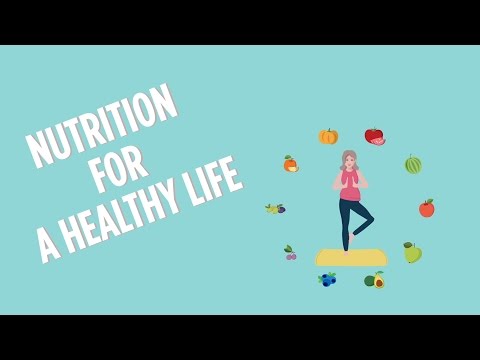
This plan emphasizes whole foods, lean proteins, healthy fats, and complex carbohydrates while keeping added sugars and processed ingredients to a minimum. It is flexible enough to adapt to different caloric needs and dietary preferences.
Intermediate Healthy Eating Strategies
Once the basics feel natural, you can elevate your approach with more deliberate strategies that deepen nutritional quality.
Meal Timing and Frequency
Some people thrive on three balanced meals, while others prefer smaller meals spread across five or six eating occasions. Intermittent fasting, when done correctly, can complement a healthy diet by improving insulin sensitivity and promoting cellular repair. However, it is not necessary for everyone — listen to your body first.
Mindful Eating Practices
Eating slowly, savoring each bite, and paying attention to hunger cues transforms your relationship with food. Research shows that mindful eating reduces overeating, improves digestion, and increases satisfaction from meals. Put your fork down between bites, eliminate distractions, and check in with your fullness levels throughout the meal.
Batch Cooking and Meal Prep
One of the biggest barriers to consistent healthy eating is time. Dedicate one or two hours per week to meal preparation — washing and chopping vegetables, cooking grains in bulk, grilling proteins, and assembling snack containers. This strategy dramatically reduces the temptation to reach for convenience foods during busy weekdays.

Advanced Tips for Optimizing Your Diet
For those who have already established a solid nutritional foundation, these advanced strategies can take your diet to the next level.
- Periodize your carbohydrate intake — consuming more carbs on active days and fewer on rest days aligns fuel with energy demand.
- Prioritize anti-inflammatory foods such as turmeric, ginger, fatty fish, berries, and extra-virgin olive oil to support recovery and reduce chronic disease risk.
- Track micronutrient intake occasionally using a food diary or app to identify gaps in vitamins D, B12, iron, or magnesium.
- Incorporate fermented foods like kimchi, sauerkraut, kefir, and miso to diversify your gut microbiome.
- Consult a registered dietitian for personalized guidance, especially if you have specific health conditions like diabetes, hypertension, or food sensitivities.
Healthy vs. Unhealthy Food Choices: A Comparison
Understanding the difference between nutrient-dense options and empty-calorie alternatives makes it easier to make informed decisions at every meal.
| Category | Healthy Choice | Unhealthy Alternative | Why It Matters |
| Grains | Quinoa, brown rice, oats | White bread, sugary cereals | Fiber content and blood sugar stability |
| Protein | Grilled chicken, lentils, fish | Fried fast food, processed deli meats | Saturated fat and preservative levels |
| Fats | Avocado, olive oil, nuts | Margarine, deep-fried oils | Monounsaturated vs. trans fats |
| Beverages | Water, herbal tea, black coffee | Soda, sugary energy drinks | Added sugar and empty calories |
| Snacks | Fresh fruit, nuts, hummus | Chips, candy, cookies | Nutrient density and satiety |
This comparison highlights that small substitutions — swapping white rice for quinoa or soda for sparkling water — compound into significant health benefits over months and years.
Frequently Asked Questions
1. What is the simplest example of a healthy diet for someone just starting out?
The simplest approach is the plate method: fill half your plate with vegetables and fruits, one-quarter with lean protein, and one-quarter with whole grains. Add a serving of healthy fat and a glass of water. This visual framework requires no calorie counting or complicated planning — just balanced portions at every meal.
2. Can a healthy diet help with weight loss, or is it only for maintenance?
A nutrient-dense, whole-food-based diet supports both weight loss and long-term weight maintenance. Because healthy foods tend to be lower in calorie density and higher in fiber and protein, they naturally promote satiety and reduce overall calorie intake without feelings of deprivation. Sustainable fat loss happens when you create a modest caloric deficit while still meeting your nutritional needs.
3. How do I transition from a processed-food-heavy diet to a healthy eating pattern without feeling deprived?
Transition gradually by replacing one processed item per week with a whole-food alternative. For instance, swap sugary breakfast cereal for overnight oats, or replace chips with roasted chickpeas. Over time, your taste buds adapt, and cravings for ultra-processed foods naturally diminish. Focus on adding nutritious foods rather than only restricting ones you enjoy.
4. Is it necessary to follow a specific diet plan like keto or Mediterranean to eat healthily?
No single diet plan is mandatory for healthy eating. The Mediterranean diet and DASH diet are well-researched patterns, but the underlying principles — whole foods, balanced macros, plenty of plants, minimal processed ingredients — apply universally. The best example of a healthy diet is one that fits your preferences, culture, budget, and lifestyle while delivering adequate nutrition.
5. How important is hydration in a healthy diet, and how much water should I drink daily?
Hydration is foundational to nearly every bodily function, from digestion to temperature regulation to cognitive performance. A general guideline is approximately 8–10 cups (2–2.5 liters) of water per day, though individual needs vary based on activity level, climate, and body size. Consuming water-rich foods like cucumbers, watermelon, and soups also contributes to your daily fluid intake.
6. Are supplements necessary if I follow a healthy diet?
A well-rounded whole-food diet covers most nutritional needs for most people. However, certain populations — such as those with limited sun exposure (vitamin D), strict plant-based diets (vitamin B12), or specific medical conditions — may benefit from targeted supplementation. Always consult a healthcare professional before starting any supplement regimen to address your individual needs safely.
Conclusion
An example of a healthy diet is not a rigid prescription — it is a flexible, nourishing framework built on whole foods, balanced macronutrients, and consistent habits. Whether you are taking your first steps toward better nutrition or refining an already strong foundation, the principles remain the same: prioritize variety, choose nutrient-dense options, stay hydrated, and eat with intention. Small, sustainable changes always outperform drastic overhauls. Start where you are, use the meal plans and strategies outlined in this guide, and trust the process. Your body will thank you for decades to come.