


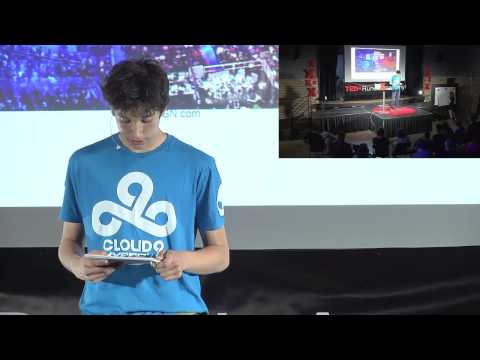
Are esports a sport? This question has sparked fierce debates among athletes, educators, lawmakers, and gaming enthusiasts for over a decade. While traditional sports fans argue that competitive gaming lacks the physical rigor of football or basketball, the explosive growth of esports as a sport tells a different story. With millions of viewers, multi-million-dollar prize pools, and recognized governing bodies, the competitive gaming industry has evolved far beyond casual play. Today, we are diving deep into every angle of this debate, examining the evidence, the arguments, and the future of competitive gaming as a legitimate athletic endeavor.
What Are Esports and Why the Debate Exists
The term esports is short for electronic sports and refers to organized, multiplayer video game competitions, particularly between professional players, individually or as teams. Games like League of Legends, Counter-Strike 2, Dota 2, Valorant, and Fortnite anchor massive tournaments broadcast to audiences exceeding traditional cable sports. The International Olympic Committee (IOC) and various national governments have recognized esports as a sporting activity, yet skepticism persists. Understanding why this debate exists requires looking at both sides of the argument with an open and informed perspective.
Defining Competitive Gaming in the Modern Era
Competitive gaming has transformed from basement LAN parties into stadium-filling events. The esports industry now generates billions in revenue annually through sponsorships, media rights, ticket sales, and merchandise. Games are no longer just entertainment; they are professional platforms where players train for hours daily, develop complex strategies, and compete under intense pressure. This evolution mirrors how chess, billiards, and auto racing earned their spots on the list of recognized sports — through structured competition, skill measurement, and organized leagues.
The Arguments for Esports as a Sport

Proponents of recognizing competitive gaming as a sport build their case on several compelling pillars of evidence that go far beyond simple opinion.

Physical and Mental Demands
One of the most persistent criticisms is that esports players do not engage in physical activity comparable to traditional athletes. However, this argument oversimplifies what athleticism truly means. Professional esports competitors experience:
- Extremely high heart rates during tournaments, often reaching 160–180 BPM — comparable to a marathon runner.
- Rapid decision-making under extreme cognitive load, with reaction times measured in milliseconds.
- Repetitive strain injuries such as carpal tunnel syndrome, tendonitis, and chronic back problems — conditions familiar to any professional athlete.
- Intensive hand-eye coordination that requires years of deliberate practice, much like a surgeon’s precision or a pilot’s reflexes.
- Mental endurance during matches that can last several hours, demanding sustained focus and emotional regulation.
Sports science researchers have increasingly studied the physiological demands of professional gaming. The results consistently show that competitive gaming requires a unique blend of physical and cognitive skill that qualifies it under broader definitions of sport.
Professional Infrastructure and Governance
A sport without infrastructure is merely a hobby. Esports, however, boasts a remarkably professional ecosystem:
- Organized leagues and governing bodies — Riot Games operates the League Championship Series (LCS); Valve oversees The International for Dota 2; ESL and FACEIT manage global Counter-Strike competitions.
- Licensed teams and player contracts — Professional gamers sign multi-year deals, earn salaries, and receive benefits including healthcare and retirement plans in some organizations.
- Coaching staff, analysts, and sports psychologists — Top-tier teams employ full support staffs mirroring traditional sports organizations.
- Anti-doping and fair play regulations — The Esports Integrity Coalition (ESIC) enforces rules against cheating, match-fixing, and doping.
- Scouting, drafting, and draft phases — Teams recruit talent from amateur leagues through structured pipelines, identical to how traditional sports identify prospects.
This level of institutional structure places esports squarely in the category of organized sport, not casual entertainment.
How Esports Compares to Traditional Sports
To better understand whether competitive gaming belongs alongside football, tennis, or swimming, it helps to compare them directly across key criteria.
| Criteria | Traditional Sports | Esports |
| Physical Demands | High cardiovascular and muscular exertion | High cognitive and fine-motor exertion |
| Training Hours per Day | 4–8 hours | 8–14 hours |
| Age of Peak Performance | 20–35 years (varies) | 16–25 years (shorter career window) |
| Governing Body | FIFA, IOC, WADA, etc. | ESIC, IESF, national federations |
| Global Audience | Billions (FIFA World Cup, Olympics) | Hundreds of millions (Worlds, The International) |
| Prize Pools | Millions to tens of millions | Millions to over $40 million (single event) |
| Olympic Recognition | Core Olympic sports | Recognized by IOC; not yet Olympic (as of 2024) |
The comparison table above reveals a critical insight: while the type of physicality differs, the level of commitment, skill, and professional structure is remarkably similar. Esports athletes train harder, longer, and with more precision in many cases than their traditional counterparts — they simply use keyboards and mice instead of balls and bats.
Why Governments and Institutions Recognize Esports as a Sport
Recognition is not just symbolic; it carries real-world implications for players, leagues, and the industry as a whole. Several countries have officially classified esports as a sport:
- South Korea — The Korean Esports Association (KeSPA) has operated since 2000, and professional gamers receive athlete visas.
- China — The Chinese government officially recognizes competitive gaming as a sport, and players benefit from national training programs.
- France — The French government granted esports official sport status in 2016.
- Germany, Sweden, and Ukraine — All have national esports federations recognized by their respective sports authorities.
These designations are not trivial. They allow players to access athletic funding, scholarships, and immigration pathways that would otherwise be unavailable. When entire governments treat competitive gaming as sport, the argument gains significant legal and institutional weight.

The Counterarguments: Why Some Still Disagree
Despite overwhelming evidence, the debate continues. Here are the most common reasons skeptics question whether esports qualifies:
- The tool matters, some argue: A football player uses their body; a gamer uses a controller. Critics say that relying on technology disqualifies gaming from being considered a “true” sport.
- Physical health concerns: While esports athletes face injuries, the cardiovascular and muscular demands do not match those of traditional sports.
- Game instability: Unlike soccer or basketball, which have standardized rules across decades, competitive games can be patched, rebalanced, or replaced entirely — making the competitive landscape inherently volatile.
- Olympic inclusion remains limited: The IOC has not yet included esports in the Olympic program, which some interpret as a lack of full recognition.
However, each of these counterarguments has a strong rebuttal. Auto racing relies on vehicles; shooting sports use firearms. Chess is a recognized Olympic sport despite requiring no physical movement whatsoever. The definition of sport has always evolved to encompass new forms of competition, and esports is simply the latest evolution in that long tradition.
Practical Recommendations for Aspiring Esports Athletes
For those considering a career in competitive gaming, experts recommend the following approach:
- Train like a professional athlete — Build a structured practice schedule that includes warm-up routines, aim training, strategy study, and physical exercise to counteract sedentary strain.
- Invest in ergonomics — A quality gaming chair, proper monitor height, and wrist supports are not luxuries; they are injury prevention tools.
- Develop mental resilience — Work with a sports psychologist to manage tilt, performance anxiety, and burnout, which are rampant in competitive gaming.
- Join amateur leagues first — Use platforms like Battlefy, FACEIT, or GameTracker to climb ranked ladders and build a competitive resume.
- Network with the community — Attend local LAN events, join Discord communities, and connect with team scouts who attend open tournaments.
The path from casual player to professional competitor is demanding, but it follows a proven roadmap that mirrors traditional sports development pipelines.
Conclusion
The question “are esports a sport” is increasingly becoming a matter of definition rather than debate. When we look at the professional infrastructure, the physical and cognitive demands, the governmental recognitions, and the massive global audience, the answer is clear: esports is absolutely a sport — just not one that fits the narrow definition many people learned growing up. The sports landscape has always expanded to include new disciplines, and competitive gaming represents one of the most significant evolutions in athletic competition in modern history. Whether you are a seasoned gamer, a curious parent, or a sports industry professional, understanding esports as a legitimate sport is no longer optional — it is essential.
Frequently Asked Questions
Is esports officially recognized as a sport by the Olympics?
The International Olympic Committee recognizes esports as a sporting activity and has held Olympic Virtual Series events, but esports has not yet been included as a medal sport in the traditional Olympic Games. Discussions are ongoing, and many experts expect esports to appear in future Olympic programs, potentially as early as the 2028 Los Angeles Olympics.
Why do some people not consider competitive gaming a real sport?
Skepticism primarily stems from the traditional definition of sport requiring significant physical exertion. Since esports players compete using keyboards and mice rather than their bodies, some people perceive it as lacking the physical dimension they associate with athletics. However, this view ignores the growing body of sports science research documenting the intense physical and cognitive demands of professional competitive gaming.
Do esports players get injured like traditional athletes?
Yes. Professional esports athletes commonly experience repetitive strain injuries, carpal tunnel syndrome, chronic back pain, eye strain, and burnout. Many teams now employ physiotherapists and sports medicine professionals to manage these issues, further reinforcing the parallel between esports and traditional athletics.
Can esports be considered a sport if the game can change or be replaced?
While individual games evolve and fade, the competitive gaming ecosystem as a whole is stable and continuously growing. Similar to how football has changed rules over decades or how motorsport has transitioned between different racing formats, the core discipline of competitive gaming remains consistent regardless of which specific title is popular at any given time.
How much do professional esports players earn?
Top professional esports players earn salaries comparable to traditional athletes, with elite players making six to seven figures annually through team contracts, tournament prize pools, streaming revenue, and brand sponsorships. Organizations like Team Liquid, T1, and FaZe Clan invest heavily in their rosters, reflecting the genuine professionalization of the industry.