


A balanced diet and health go hand in hand — they form the foundation of a long, vibrant, and disease-free life. Yet despite decades of nutritional research, millions of people still struggle to understand what a truly balanced eating pattern looks like. The confusion stems from conflicting diet trends, misleading marketing claims, and an oversimplified focus on single nutrients rather than whole dietary patterns. This guide cuts through the noise and delivers a comprehensive, evidence-based look at how a balanced diet fuels your body, prevents chronic illness, and enhances everyday quality of life — whether you are just starting your wellness journey or fine-tuning an already disciplined nutrition plan.
What Is a Balanced Diet and Why Does It Matter for Long-Term Health?
A balanced diet means consuming a variety of foods in the right proportions to provide your body with the nutrients it needs to function optimally. It is not about rigid calorie counting or eliminating entire food groups. Instead, it is about creating a sustainable eating pattern that supports energy, immunity, cognitive function, and metabolic health. Research published in The Lancet consistently shows that poor dietary habits are among the leading global risk factors for cardiovascular disease, type 2 diabetes, and certain cancers. Conversely, a well-structured balanced diet reduces inflammation, supports gut health, and strengthens the immune system at a cellular level.
For beginners, understanding the big picture matters more than obsessing over individual meals. For intermediate and advanced health enthusiasts, the nuance lies in optimizing macronutrient ratios, micronutrient density, and nutrient timing. Regardless of your level, the core principle remains the same: whole, minimally processed foods should form the backbone of every meal.
The Core Components of a Balanced Diet
Macronutrients: The Building Blocks of Every Cell
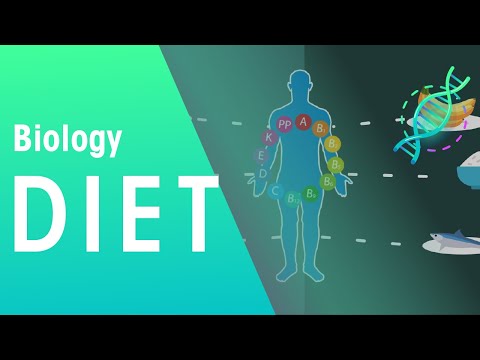
Macronutrients — carbohydrates, proteins, and fats — provide the calories and raw materials your body needs to perform virtually every physiological function. Each macronutrient plays a unique and irreplaceable role:
- Carbohydrates: The body’s primary fuel source, especially for the brain and during high-intensity physical activity. Prioritize complex carbohydrates such as oats, quinoa, sweet potatoes, and legumes over refined sugars and white flour products.
- Proteins: Essential for muscle repair, enzyme production, hormone synthesis, and immune defense. High-quality sources include lean poultry, fish, eggs, tofu, lentils, and Greek yogurt.
- Healthy Fats: Critical for hormone regulation, brain function, and the absorption of fat-soluble vitamins (A, D, E, and K). Focus on sources like avocados, olive oil, nuts, seeds, and fatty fish rich in omega-3 fatty acids.
A common beginner mistake is fearing fats or slashing carbohydrates entirely. Both macronutrients are essential, and the key is choosing nutrient-dense, minimally processed sources within each category.
Micronutrients: Small Nutrients, Massive Impact
Vitamins and minerals may be needed in smaller quantities, but their impact on health is enormous. A deficiency in even a single micronutrient can cascade into fatigue, weakened immunity, impaired cognitive function, and long-term disease. The most critical micronutrients to monitor include:
- Vitamin D: Supports bone health, immune modulation, and mood regulation. Many adults are deficient, especially those living in northern climates or spending most of their time indoors.
- Iron: Necessary for oxygen transport in the blood. Deficiency is one of the most common nutritional deficiencies worldwide, particularly among women of reproductive age.
- Magnesium: Involved in over 300 enzymatic reactions, including muscle contraction, nerve signaling, and sleep quality regulation.
- Zinc: Vital for immune function, wound healing, and DNA synthesis.
Rather than relying solely on supplements, the best strategy is to eat a diverse, colorful diet rich in fruits, vegetables, whole grains, and lean proteins — this naturally covers a broad spectrum of micronutrients.
How a Balanced Diet Impacts Your Overall Well-Being
The relationship between diet and health extends far beyond weight management. A balanced diet influences nearly every system in your body:

- Heart Health: Diets rich in fiber, omega-3 fatty acids, and potassium help lower LDL cholesterol, regulate blood pressure, and reduce arterial inflammation.
- Gut Microbiome: Prebiotic fibers from foods like garlic, onions, bananas, and asparagus feed beneficial gut bacteria, which in turn support digestion, immunity, and even mental health through the gut-brain axis.
- Mental Health: Emerging research in nutritional psychiatry shows that diets high in whole foods and low in ultra-processed items are associated with lower rates of depression and anxiety.
- Energy and Productivity: Stable blood sugar levels — achieved through balanced meals combining protein, healthy fat, and complex carbs — prevent energy crashes and sustain focus throughout the day.
These benefits compound over time. A balanced diet is not a quick fix; it is a long-term investment in your physical and mental resilience.
Building a Balanced Plate: Practical Strategies for Every Level
Beginner: Simple Swaps and Sustainable Habits
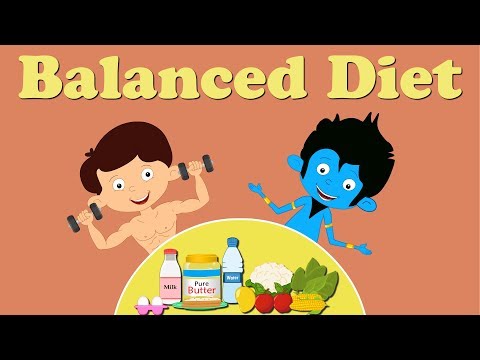
If you are new to nutrition, start with these straightforward changes:
- Fill half your plate with vegetables and fruits. This single habit dramatically increases your fiber, vitamin, and antioxidant intake.
- Swap refined grains for whole grains. Choose brown rice over white rice, whole wheat bread over white bread, and oatmeal over sugary cereals.
- Drink water as your primary beverage. Eliminating sugary drinks is one of the single most impactful dietary changes you can make.
- Eat protein with every meal. This promotes satiety, preserves lean muscle mass, and stabilizes blood sugar.
Intermediate: Meal Planning and Nutrient Density
Once basic habits are established, focus on meal planning and nutrient density. Batch-cook proteins and grains on weekends, prep vegetable-based snacks in advance, and rotate your food choices weekly to ensure a wide range of phytonutrients. Tracking your intake for a few days using a nutrition app can reveal hidden gaps — many people discover they are low in fiber, potassium, or specific vitamins even when they believe their diet is healthy.
Advanced: Personalization and Nutrient Timing
For experienced individuals, personalization is key. Factors like genetics, activity level, gut health status, and metabolic flexibility all influence optimal nutrition. Nutrient timing — consuming carbohydrates around exercise, prioritizing protein post-workout, and structuring meal frequency to match your circadian rhythm — can further enhance performance and recovery. Advanced practitioners may also explore intermittent eating windows or targeted supplementation based on blood work and biomarker data.
Balanced Diet vs. Popular Restrictive Diets: A Comparison
| Diet Approach | Philosophy | Pros | Cons |
| Balanced Diet | Variety, moderation, whole foods | Sustainable, supports long-term health, flexible | Requires consistent effort and planning |
| Keto | Very low carb, high fat | Rapid short-term weight loss, appetite control | Hard to sustain, may lack fiber and certain micronutrients |
| Intermittent Fasting | Time-restricted eating windows | Simplifies meal planning, may improve insulin sensitivity | Not ideal for everyone, can encourage overeating during eating windows |
| Paleo | Eliminates grains, dairy, processed foods | Reduces processed food intake, focuses on whole foods | Restrictive, may miss out on beneficial whole grains and legumes |
The balanced diet approach stands out because it does not eliminate food groups or impose rigid rules. Instead, it creates a flexible framework that adapts to individual preferences, cultural food traditions, and lifestyle demands — making it the most sustainable long-term strategy for health.
Expert Tips for Maintaining a Balanced Diet Over the Long Term
- Prepare for setbacks. Perfection is not the goal. A single indulgent meal does not ruin your progress — consistency over weeks and months is what matters.
- Cook at home more often. Home-cooked meals give you control over ingredients, portions, and cooking methods, making it easier to maintain nutritional quality.
- Read ingredient labels. Look for short ingredient lists with recognizable, whole-food ingredients. Avoid products loaded with added sugars, hydrogenated oils, and artificial additives.
- Listen to your body. Hunger, energy levels, digestion, and sleep quality are powerful feedback signals. Use them to adjust your dietary choices in real time.
- Stay hydrated. Proper hydration supports digestion, nutrient absorption, cognitive function, and skin health. Aim for adequate daily water intake based on your body size and activity level.
Frequently Asked Questions (FAQs)
What does a balanced diet look like for a beginner trying to lose weight?
A beginner-friendly balanced diet for weight loss focuses on moderate calorie intake from whole foods — plenty of vegetables, lean proteins, whole grains, and healthy fats. It avoids extreme restriction and emphasizes sustainable habits like portion awareness and reducing processed food consumption. The goal is gradual, steady weight loss of about one to two pounds per week.
Can a balanced diet prevent chronic diseases like diabetes and heart disease?
Yes, extensive research shows that a balanced diet rich in fiber, antioxidants, healthy fats, and minimally processed foods significantly reduces the risk of developing type 2 diabetes, cardiovascular disease, and certain forms of cancer. It helps regulate blood sugar, lower cholesterol, and reduce systemic inflammation — all major drivers of chronic illness.
How do I know if my current diet is truly balanced?
Signs of a balanced diet include consistent energy levels throughout the day, healthy digestion, stable mood, clear skin, and steady weight maintenance without extreme fluctuations. If you experience persistent fatigue, frequent illness, or digestive issues, it may be worth reviewing your nutrient intake with a registered dietitian or healthcare professional.
Is it possible to follow a balanced diet on a budget?
Absolutely. Budget-friendly staples like beans, lentils, eggs, oats, frozen vegetables, canned fish, and seasonal produce are incredibly nutritious and affordable. Planning meals ahead, buying in bulk, and minimizing food waste are the most effective strategies for eating well without overspending.
What role do supplements play in a balanced diet?
Supplements should fill gaps — not replace whole foods. A truly balanced diet provides the majority of nutrients through food sources. However, certain populations — such as vegans (vitamin B12), pregnant women (folate and iron), and those with limited sun exposure (vitamin D) — may benefit from targeted supplementation guided by a healthcare provider.
Conclusion: Your Balanced Diet Is Your Greatest Health Asset
A balanced diet is not a temporary fix or a trendy eating protocol — it is a lifelong commitment to nourishing your body with the right nutrients in the right amounts. From supporting heart and brain health to boosting immunity and sustaining daily energy, the benefits of balanced eating are profound and far-reaching. The beauty of this approach lies in its simplicity and flexibility: you do not need expensive superfoods, extreme meal plans, or willpower-destroying restrictions. You simply need consistency, variety, and a genuine commitment to fueling your body with whole, nutrient-rich foods. Start where you are, build gradually, and trust the process — your long-term health depends on it.