Few pastimes have endured the test of time quite like board games. From ancient civilizations carving stones across earthen tables to modern living rooms filled with beautifully illustrated game boxes, the world of board gaming has evolved into a thriving cultural phenomenon enjoyed by millions of people worldwide. Whether you are a curious newcomer wondering what all the excitement is about or a seasoned hobbyist looking to expand your collection, understanding the depth and diversity of board games opens up a universe of entertainment, social connection, and cognitive growth. This comprehensive guide dives deep into everything you need to know about board games — from their fascinating history and popular categories to practical tips for choosing your next favorite game.
What Exactly Is a Board Game?
A board game is any tabletop game that involves counters, pieces, or tokens moved or placed on a pre-marked surface or board according to a defined set of rules. While that definition sounds straightforward, the reality is far more expansive. Modern board games span an incredible range of mechanics, themes, and complexity levels. Some rely purely on strategy, while others incorporate elements of chance, negotiation, storytelling, or cooperative problem-solving. The term “board game” itself serves as an umbrella category that encompasses everything from the simplicity of tic-tac-toe to the intricate economic simulations found in heavyweight euro-style games. Understanding this spectrum is essential for anyone looking to explore the hobby with confidence and purpose.
A Brief History of Board Games
The origins of board games stretch back thousands of years. Some of the oldest known games include Senet from ancient Egypt, dating back to around 3100 BCE, and Royal Game of Ur from Mesopotamia, which has been traced to approximately 2600 BCE. These early games were not merely entertainment — they often held religious, educational, or social significance within their respective cultures.
The modern board game renaissance began in the late 20th century, particularly during the 1990s and 2000s. This era saw the rise of German-style board games, often called “eurogames,” which emphasized strategic thinking, resource management, and player interaction without relying heavily on luck. Titles like Settlers of Catan, Ticket to Ride, and Pandemic
Major Categories and Types of Board Games
The board gaming landscape is incredibly diverse. Below are the most popular categories that define the hobby today.
Strategy Board Games
Strategy games are the backbone of the hobby. These titles demand careful planning, foresight, and tactical thinking. Players must weigh multiple options each turn, anticipate opponents’ moves, and adapt their plans as the game unfolds. Popular examples include Chess, Go, Terraforming Mars, and Gloomhaven. Strategy board games appeal to players who enjoy deep thinking and long-term planning over quick, luck-driven outcomes.
Party and Social Board Games
On the opposite end of the spectrum, party games prioritize social interaction, laughter, and lighthearted fun over complex rules. These are ideal for large groups, casual gatherings, and family nights. Titles like Codenames, Dixit, Charades variants, and Wavelength excel at getting people talking, laughing, and bonding. Party board games are often easy to learn, with rounds that last only minutes, making them perfect icebreakers.
Cooperative Board Games

In cooperative games, all players work together against the game itself rather than against each other. This mechanic fosters teamwork and shared decision-making. Beloved cooperative titles include Pandemic, Forbidden Island, Spirit Island, and The Crew. These games are especially popular among families and friend groups who want a shared challenge rather than direct competition.
Legacy and Campaign Board Games
Legacy games introduce a permanent narrative arc across multiple sessions. Decisions made in one game permanently alter the components, rules, or story for future plays. Risk Legacy, Pandemic Legacy, and Gloomhaven are landmark titles in this category that have redefined what board games can be as long-term experiences.
How to Choose the Right Board Game for You
Selecting the perfect board game depends on several factors, and understanding these criteria will save you from purchasing games that gather dust on your shelf.
- Player Count: Always check the recommended number of players. Some games excel with two players, while others shine with five or more.
- Play Time: Games can range from 10-minute fillers to multi-hour epics. Match the duration to the occasion — a quick party game for a casual evening or a strategic epic for a dedicated game night.
- Complexity Level: Consider the learning curve. Light, intuitive games are ideal for beginners, while experienced players may crave the depth of heavier titles.
- Theme and Genre: From science fiction and fantasy to historical simulation and abstract puzzles, the theme matters. Players engage more deeply when they care about the subject matter.
- Replayability: Games with high variability and branching paths tend to stay fresh across multiple plays.
Key Benefits of Playing Board Games Regularly
The advantages of board gaming extend well beyond simple entertainment. Research consistently highlights cognitive, social, and emotional benefits associated with regular tabletop play.
- Enhances critical thinking and problem-solving skills — Strategy games require players to evaluate situations, weigh trade-offs, and make calculated decisions under pressure.
- Strengthens social bonds and communication — Board games create shared experiences that build trust, encourage collaboration, and improve interpersonal skills.
- Reduces stress and promotes mindfulness — The immersive nature of tabletop play offers a welcome escape from screens and digital overstimulation.
- Boosts memory and pattern recognition — Many games require players to remember rules, track resources, or identify strategic patterns.
- Teaches patience and resilience — Losing, adapting, and trying again are integral parts of the board gaming experience.
Popular Board Game Comparison
The table below compares some of the most celebrated board games across key dimensions to help you make informed choices.
| Game Title | Category | Players | Play Time | Complexity |
| Chess | Abstract Strategy | 2 | 30–60 min | High |
| Catan | Euro Strategy | 3–4 (up to 6) | 60–90 min | Medium |
| Pandemic | Cooperative | 2–4 | 45–60 min | Medium |
| Codenames | Party | 4–8+ | 15–25 min | Low |
| Gloomhaven | Legacy / Tactical | 1–4 | 90–120 min | Very High |
| Ticket to Ride | Route Building | 2–5 | 30–60 min | Low–Medium |
Expert Tips for Building Your Board Game Collection
Growing a board game collection can be both exciting and overwhelming. Here are proven strategies from experienced hobbyists and board game designers alike.
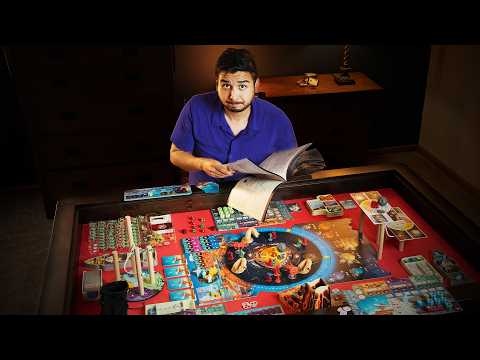
Start small. Resist the urge to buy ten games at once. Begin with one or two titles that match your group’s preferences and play style. Learn what mechanics resonate with your friends before expanding outward.
Visit local board game cafés. These venues often carry hundreds of titles and allow you to play before purchasing. This hands-on approach prevents costly mismatches and helps you discover games you might never have considered.
Watch playthrough videos. Platforms like YouTube and BoardGameGeek feature extensive video reviews and playthroughs that demonstrate how games actually feel in practice — not just how the rulebook describes them.
Invest in quality storage. As your collection grows, proper organization becomes essential. Use dividers, bags, and labeled boxes to keep components accessible and protected.

Join online communities. Forums, subreddits, and social media groups dedicated to board gaming offer recommendations, trade opportunities, and valuable feedback from fellow enthusiasts who share your interests.
The Future of Board Gaming
The board game industry shows no signs of slowing down. Digital integration, crowdfunding platforms like Kickstarter, and the growing acceptance of tabletop gaming as a mainstream hobby have all contributed to a golden era of design and innovation. Hybrid games that blend physical components with app-based mechanics are pushing creative boundaries, while indie designers continue to deliver fresh, original concepts that challenge conventional expectations. The rise of inclusive design — games that accommodate diverse player abilities, languages, and cultural perspectives — is also reshaping the hobby into a more welcoming space for everyone.
Frequently Asked Questions About Board Games
What are the best board games for beginners who have never played before?
For absolute beginners, games like Ticket to Ride, Carcassonne, and Sushi Go! offer simple rules, quick setup, and engaging gameplay without overwhelming new players. These titles serve as excellent entry points into the hobby.
How many board games should a beginner start with in their collection?
Aim for three to five games initially. This allows you to explore different mechanics and genres without overspending. Quality over quantity should always guide your purchasing decisions as a newcomer.
Can board games genuinely improve cognitive abilities and mental sharpness?
Yes, research supports this claim. Strategy-based board games have been linked to improved memory, enhanced logical reasoning, better decision-making skills, and increased pattern recognition. Regular play provides consistent mental exercise that strengthens cognitive functions over time.
What is the difference between eurogames and American-style board games?
Eurogames, also known as German-style games, focus on strategy, resource management, and indirect player interaction with minimal luck. American-style board games tend to feature direct conflict, thematic narratives, dice-based combat, and higher variability driven by chance mechanics. Understanding this distinction helps players find titles that match their preferences.
Are board games worth the investment compared to digital entertainment?
Board games offer unique, irreplaceable value — face-to-face social interaction, tactile engagement with physical components, and screen-free entertainment. While digital games have their merits, the communal experience of gathering around a table creates memories and connections that digital entertainment simply cannot replicate.
Conclusion
The world of board games is vast, welcoming, and endlessly rewarding. Whether you are drawn to the cerebral challenge of abstract strategy, the laughter-filled energy of party games, or the cooperative spirit of team-based adventures, there is a board game perfectly suited to your interests. The hobby offers something meaningful for every type of player — intellectual stimulation, social connection, creative expression, and pure, unadulterated fun. Start with one game, share it with friends or family, and let the journey unfold from there. The table is waiting, and the best board game experience is always the one you are about to begin.