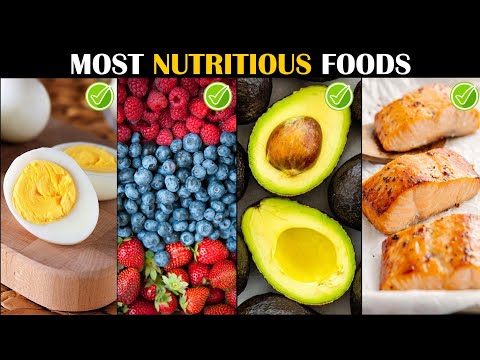
Eating nutritious food is one of the most powerful decisions you can make for your long-term health, energy levels, and overall quality of life. Yet despite overwhelming evidence supporting healthy eating habits, millions of people still struggle to translate nutritional knowledge into daily action. The gap between knowing what to eat and actually doing it remains one of the biggest challenges in modern wellness. This comprehensive guide breaks down everything you need to know about building a nutrient-rich diet — from understanding the science behind whole foods to practical strategies that make healthy eating sustainable for life. Whether you are a complete beginner just starting your nutrition journey or someone looking to refine an already healthy diet, this article covers the foundational principles, advanced strategies, and real-world tips that will help you eat better, feel stronger, and live longer.
Why Eating Nutritious Food Matters More Than Ever
The modern food environment is flooded with ultra-processed options that are engineered to taste incredible but deliver very little nutritional value. Fast food, sugary snacks, and refined grain products dominate grocery store shelves and restaurant menus, contributing to rising rates of obesity, type 2 diabetes, cardiovascular disease, and chronic inflammation. Choosing nutrient-dense foods over calorie-dense, nutrient-poor alternatives is not just a lifestyle preference — it is a fundamental investment in your future health.
Research from the World Health Organization consistently links diets rich in fruits, vegetables, whole grains, lean proteins, and healthy fats to reduced risks of heart disease, certain cancers, stroke, and mental health disorders. Conversely, diets high in added sugars, trans fats, and sodium are strongly correlated with premature mortality and diminished quality of life. The good news is that improving your diet does not require perfection. Even small, consistent shifts toward more nutritious eating can produce measurable health benefits within weeks.
The Science Behind Nutrient-Dense Eating
Nutrient-dense foods are those that deliver a high concentration of vitamins, minerals, fiber, antioxidants, and phytonutrients relative to their calorie content. This concept, often referred to as nutrient density, is central to modern dietary science. When you prioritize nutrient-dense eating, you satisfy your body’s biochemical needs without consuming excessive calories that lead to fat storage and metabolic dysfunction.
For example, a single cup of spinach provides vitamins A, C, K, and folate along with iron, magnesium, and dietary fiber — all for fewer than 10 calories. Compare that to a serving of potato chips, which may provide sodium and fat but negligible micronutrients. Understanding this difference empowers you to make food choices that fuel your body rather than simply fill it.
Core Nutrients Your Body Needs Every Day
A truly nutritious diet provides a broad spectrum of essential nutrients that support every physiological process in your body. Let us break these down into their two major categories.
Macronutrients — these are the nutrients your body needs in large quantities:

- Proteins: Essential for muscle repair, immune function, enzyme production, and hormone synthesis. High-quality sources include eggs, fish, poultry, legumes, tofu, and Greek yogurt.
- Carbohydrates: Your body’s primary energy source. Focus on complex carbohydrates like oats, quinoa, sweet potatoes, and whole-grain bread rather than refined sugars and white flour products.
- Healthy Fats: Critical for brain health, hormone regulation, and the absorption of fat-soluble vitamins (A, D, E, K). Avocados, olive oil, nuts, seeds, and fatty fish like salmon are excellent choices.
Micronutrients — these are vitamins and minerals needed in smaller but equally vital amounts:
- Vitamin D — supports bone health, immune function, and mood regulation.
- Calcium — essential for strong bones and teeth, found in dairy products, fortified plant milks, and leafy greens.
- Iron — critical for oxygen transport in the blood, abundant in red meat, spinach, and lentils.
- Omega-3 Fatty Acids — powerful anti-inflammatory fats found in salmon, walnuts, flaxseeds, and chia seeds.
- B Vitamins — support energy metabolism and nervous system health, found in eggs, whole grains, and leafy vegetables.
Best Nutritious Foods to Build Your Diet Around
If you want to simplify your approach to healthy eating, start by centering your meals around these powerhouse whole foods:
- Leafy Greens — kale, spinach, Swiss chard, and collard greens are loaded with vitamins A, C, K, iron, and calcium.
- Berries — blueberries, strawberries, and raspberries are rich in antioxidants and fiber while being naturally low in sugar.
- Fatty Fish — salmon, mackerel, sardines, and trout provide high-quality protein and omega-3 fatty acids that support heart and brain health.
- Legumes — lentils, chickpeas, black beans, and edamame deliver plant-based protein, fiber, iron, and folate.
- Nuts and Seeds — almonds, walnuts, flaxseeds, and pumpkin seeds offer healthy fats, magnesium, and zinc.
- Whole Grains — oats, quinoa, brown rice, and barley provide sustained energy through complex carbohydrates and dietary fiber.
- Fermented Foods — yogurt, kefir, sauerkraut, and kimchi support gut microbiome diversity, which is increasingly linked to immune health and mental well-being.
How to Build a Balanced, Nutritious Meal
Building a balanced plate does not require counting every calorie or following a restrictive diet plan. One of the simplest and most effective frameworks is the plate method endorsed by nutritionists and dietitians worldwide.
The Plate Method for Beginners
Imagine dividing your plate into three sections:
- Half your plate: Fill with non-starchy vegetables and fruits — broccoli, bell peppers, tomatoes, leafy salads, berries, or sliced apple.
- One-quarter of your plate: Dedicate to lean protein — grilled chicken, baked salmon, tofu, lentils, or eggs.
- One-quarter of your plate: Reserve for complex carbohydrates — brown rice, quinoa, sweet potato, or whole-grain pasta.
- Add a small portion of healthy fat: A drizzle of olive oil, a handful of avocado slices, or a sprinkle of seeds completes the meal.
This visual approach eliminates guesswork and ensures you are getting a balanced mix of macronutrients and micronutrients at every meal. Over time, it becomes second nature.
Common Mistakes People Make When Trying to Eat Nutritious Food
Even well-intentioned eaters often fall into patterns that undermine their nutritional goals. Here are the most common pitfalls:
- Assuming “healthy” label foods are always nutritious: Many products marketed as “organic,” “gluten-free,” or “low-fat” are still loaded with added sugars, artificial flavors, and preservatives. Always read the ingredient list.
- Eliminating entire food groups unnecessarily: Unless you have a diagnosed allergy or intolerance, cutting out carbohydrates or fats entirely can lead to nutrient deficiencies and unsustainable eating patterns.
- Skipping meals to “save calories”: This often backfires by triggering intense hunger, leading to overeating and poor food choices later in the day.
- Relying on supplements instead of whole foods: While supplements can fill specific gaps, they cannot replicate the complex synergy of nutrients, fiber, and phytochemicals found in whole, minimally processed foods.
Comparison Table: Processed vs. Whole Foods
| Factor | Processed Foods | Whole Foods |
| Nutrient Density | Low — high in calories, low in micronutrients | High — rich in vitamins, minerals, and fiber |
| Added Sugars | Typically high | Naturally low or absent |
| Fiber Content | Often stripped during processing | Naturally high |
| Long-Term Health Impact | Associated with chronic disease risk | Associated with longevity and disease prevention |
| Satiety | Low — leads to overeating | High — keeps you fuller longer |
| Ingredients List | Long, with artificial additives | Short, recognizable ingredients |
Practical Tips for Sticking to a Nutritious Diet Long-Term

The biggest challenge in eating nutritiously is not knowledge — it is consistency. Here are expert-backed strategies that actually work:
- Meal prep on weekends: Spending two hours preparing meals and snacks for the week removes the daily temptation of convenience foods.
- Keep nutritious foods visible: Place a bowl of fresh fruit on the counter and store pre-cut vegetables at eye level in the fridge. You are more likely to eat what is easily accessible.
- Follow the 80/20 rule: Aim for nutritious choices 80% of the time and allow flexibility for the remaining 20%. This prevents feelings of deprivation that lead to binge eating.
- Hydrate adequately: Sometimes thirst masquerades as hunger. Drinking sufficient water throughout the day supports digestion, energy, and appetite regulation.
- Cook at home more often: Home-cooked meals give you complete control over ingredients, portions, and cooking methods, making it far easier to maintain a nutritious diet.
Final Thoughts on the Power of Nutritious Eating

Eating nutritious food is not about deprivation, perfection, or following the latest dietary trend. It is about consistently choosing whole, minimally processed foods that nourish your body, support your mental clarity, and protect you against chronic disease. The evidence is unequivocal: the quality of the food you eat directly shapes the quality of your life. Start where you are. Swap one processed snack for a piece of fruit. Add one extra serving of vegetables to your dinner. Small, intentional changes compound over time into transformative health outcomes. Your future self will thank you for every nutritious choice you make today.
Frequently Asked Questions
What are the easiest nutritious foods for beginners to start incorporating into their daily diet?
If you are just starting out, focus on simple additions like leafy greens (spinach, kale), whole fruits (bananas, berries), eggs, Greek yogurt, oats, nuts, and olive oil. These foods are widely available, affordable, and versatile enough to fit into almost any meal without requiring advanced cooking skills.
How does eating nutritious food affect energy levels throughout the day?
Nutrient-dense foods provide a steady release of glucose into the bloodstream, preventing the energy crashes associated with refined sugar and processed carbohydrates. Meals rich in complex carbohydrates, lean protein, and healthy fats sustain focus and physical energy for hours, whereas sugary or heavily processed meals often cause rapid spikes and dips in blood sugar that leave you feeling fatigued.
Can eating nutritious food help with weight management without counting calories?
Yes. Whole, nutrient-dense foods naturally regulate appetite because they are higher in fiber, protein, and water content, all of which promote satiety. When you build meals around vegetables, lean proteins, and whole grains, you tend to feel satisfied on fewer calories without needing to track every item you eat. This makes healthy weight management feel less like a chore and more like a natural outcome of better food choices.
Is it expensive to eat a nutritious diet on a budget?
Eating nutritious food does not have to break the bank. Budget-friendly staples like beans, lentils, oats, eggs, frozen vegetables, canned tomatoes, and seasonal fruits are among the most nutrient-rich options available. Buying in bulk, shopping at local farmers’ markets, and planning meals around seasonal produce can significantly reduce costs while maintaining excellent nutritional quality.
What is the difference between a nutritious diet and a fad diet?
A nutritious diet focuses on consistent, balanced whole-food eating patterns that you can sustain for a lifetime. Fad diets, by contrast, typically impose extreme restrictions, eliminate entire food groups, promise rapid results, and lack scientific backing. Nutritious eating is grounded in evidence-based nutrition science, while fad diets often rely on marketing hype and short-term restrictions that are difficult to maintain and may even compromise long-term health.