The 1980s marked a revolutionary era for black fashion trends, a period when style became a powerful form of cultural expression, identity, and resistance. From the bold colors of Afro-futurism to the sharp tailoring of power dressing, 80s black fashion trends redefined what it meant to dress with confidence and intention. This decade didn’t just influence clothing choices — it transformed the entire fashion landscape, giving rise to silhouettes, textures, and aesthetics that continue to inspire designers, stylists, and fashion enthusiasts today. Whether you’re a vintage collector, a costume designer, or someone looking to add retro flair to your modern wardrobe, understanding the rich tapestry of 80s black fashion trends is essential. Let’s dive deep into the styles, icons, and cultural movements that made this era unforgettable.
The Cultural Context Behind 80s Black Fashion Trends
Understanding 80s black fashion trends requires recognizing the social and political climate of the era. The 1980s were a time of significant cultural shifts for Black Americans and the African diaspora. Hip-hop was emerging from the streets of New York, Afrocentrism was gaining momentum in intellectual and artistic circles, and Black musicians were becoming global superstars. Fashion wasn’t just about looking good — it was about claiming space, celebrating heritage, and pushing boundaries. The interplay between music, politics, and style made this decade one of the most influential periods in fashion history.

Black fashion in the 80s drew from multiple wellsprings: African traditional garments, streetwear born from hip-hop culture, the glamour of R&B and pop music, and the sharp sophistication of corporate power dressing. This diversity meant that there was no single “80s Black fashion” — there were many, each telling a different story about identity, aspiration, and community.
Top 80s Black Fashion Trends That Defined the Decade
1. Afro-Centric and Pan-African Styles
One of the most visually striking 80s Black fashion trends was the embrace of Afrocentric aesthetics. Dashikis, kente cloth wraps, and gold jewelry inspired by West African and North African traditions became mainstream. Designers like Willi Smith and Patrick Kelly incorporated African prints and silhouettes into ready-to-wear collections, making Black cultural heritage accessible and fashionable. This movement was deeply connected to the broader Afrocentrism intellectual movement, which encouraged Black Americans to reconnect with their African roots.
2. Power Suiting and Sharp Tailoring
The power suit became a defining symbol of 80s Black fashion, particularly for Black women navigating corporate spaces. Shoulder pads, structured blazers, high-waisted trousers, and bold color blocking were staples. Think of the polished, authoritative looks sported by characters on shows like The Jeffersons or real-life figures like Desiree Rogers and Veronica Webb. The power suit wasn’t just clothing — it was armor, a statement that Black professionals belonged in rooms where they had historically been excluded.
3. Hip-Hop Streetwear Origins
The birth of hip-hop culture in the late 70s and early 80s gave rise to a raw, unfiltered fashion aesthetic that would eventually dominate global fashion. Early hip-hop style featured Kangol hats, gold chains, oversized Adidas sneakers, leather jackets, and fat L.A. gear brand sneakers. Run-DMC, LL Cool J, and Salt-N-Pepa turned streetwear into high fashion decades before streetwear became the dominant force in luxury fashion. This aesthetic was born out of necessity and creativity — young Black communities transforming limited resources into iconic looks.
4. Bold Prints, Neon Colors, and High-Contrast Patterns
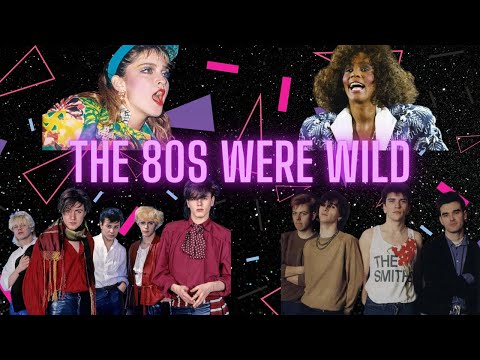
The 1980s were the decade of unapologetic color. Black fashion in this era embraced neon greens, electric blues, hot pinks, and canary yellows in fearless combinations. Geometric prints, animal patterns, and abstract designs were everywhere. Black designers and stylists weren’t afraid of clashing colors or exaggerated proportions — they leaned into excess as a form of artistic liberation.
5. Leather, Studs, and the Punk-Influenced Edge
Black fashion in the 80s also intersected with punk and goth aesthetics. Leather jackets, studded accessories, fishnet stockings, and dark eyeliner became vehicles for self-expression within Black communities. This trend was particularly visible in the underground music scenes of cities like London, New York, and Los Angeles, where Black artists blended punk rebellion with their own cultural aesthetics.
6. Big Hair, Jheri Curls, and Natural Hair Celebrations
Hair was politics and poetry in 80s Black fashion. The Jheri curl, made famous by Michael Jackson and Eddie Murphy, became one of the most recognizable hair trends of the decade. Simultaneously, the natural hair movement was gaining steam, with Black women proudly wearing afros, braids, and locs as declarations of self-acceptance. Big, voluminous hair — whether straightened, curled, or natural — was a centerpiece of 80s Black fashion identity.
Style Icons Who Shaped 80s Black Fashion Trends
No discussion of 80s Black fashion trends is complete without acknowledging the people who embodied these styles and pushed them forward.
- Grace Jones — Her androgynous, futuristic style blended high fashion with avant-garde confidence, influencing everything from music videos to runway shows.
- Michael Jackson — From the red leather jacket of “Thriller” to his military-inspired uniforms, MJ set trends that transcended race and geography.
- Prince — His flamboyant, gender-fluid fashion challenged every convention about what Black men could wear, incorporating ruffles, lace, and purple into his iconic look.
- Iman — A supermodel and fashion icon, Iman brought elegance and Afrocentric sophistication to the forefront of 80s fashion.
- Run-DMC — They didn’t just wear hip-hop fashion — they elevated it, proving that street style could be both culturally significant and commercially powerful.
- Naomi Sims — One of the first Black supermodels, she paved the way for the representation of darker skin tones and natural textures in high fashion.
80s Black Fashion Trends Then vs. Now
The influence of 80s Black fashion trends is undeniable in contemporary style. Below is a comparison of key trends and how they’ve evolved:
| 80s Trend | Modern Revival | Key Difference |
| Oversized hip-hop sneakers | Balenciaga Triple S, Nike Air Max retros | Luxury price point and designer branding |
| Afrocentric prints and dashikis | Afro-chic collections by brands like Orange Culture | More global and digitally accessible |
| Power suits with shoulder pads | Structured blazers and oversized tailoring | Softer, more inclusive sizing and gender-fluid cuts |
| Jheri curls and voluminous hair | Natural hair movement and protective styles | Greater emphasis on hair texture celebration |
| Bold neon and clashing colors | Y2K revival with saturated palettes | More curated and influencer-driven |
This comparison shows that 80s Black fashion trends weren’t just nostalgic relics — they were blueprints. Modern designers, particularly Black designers, continue to draw from this decade’s aesthetic vocabulary, remixing it for contemporary audiences while honoring its roots.
Practical Tips for Recreating 80s Black Fashion Today
If you want to incorporate 80s Black fashion trends into your personal style, here are expert recommendations that go beyond surface-level costume dressing:

- Start with one statement piece. A pair of gold hoop earrings, a structured blazer with exaggerated shoulders, or a vibrant dashiki can anchor your look without overwhelming your outfit.
- Mix eras intentionally. The most stylish way to wear 80s Black fashion today is to blend vintage pieces with modern basics. Pair an oversized 80s blazer with slim contemporary trousers, or combine gold chains with a minimalist t-shirt.
- Invest in quality accessories. 80s fashion was about details — thick chains, oversized sunglasses, cuff bracelets, and statement belts. These accessories are what transform a basic outfit into an 80s-inspired look.
- Prioritize hair and grooming. Hair was half the look in the 80s. Whether you’re going for a Jheri curl, a bold fade, or an afro, make your hairstyle a deliberate part of your outfit.
- Support Black-owned vintage and retro brands. Shopping from Black-owned vintage stores or brands that honor 80s aesthetics ensures your fashion choices are culturally respectful and economically supportive.
- Don’t be afraid of color. The 80s were about vibrancy. Incorporate bold hues into your wardrobe — electric blue, fuchsia, gold, or emerald green — and wear them with confidence.
Why 80s Black Fashion Trends Still Matter
The legacy of 80s Black fashion trends extends far beyond aesthetics. This decade demonstrated that fashion could be a tool for cultural empowerment, political expression, and community building. Black fashion icons of the 80s didn’t just follow trends — they created them, often in the face of exclusion from mainstream fashion institutions. Their creativity and resilience laid the groundwork for the diverse, inclusive fashion industry we see evolving today. When you explore 80s Black fashion trends, you’re not just looking at old clothes — you’re engaging with a rich history of self-determination, artistic vision, and cultural pride.
For anyone interested in fashion history, costume design, or personal style development, the 80s remain an invaluable source of inspiration. The decade’s willingness to be bold, unapologetic, and celebratory offers lessons that resonate far beyond the runway or the street corner. By understanding and honoring these trends, we keep the spirit of that revolutionary era alive in our wardrobes and our cultural conversations.
Frequently Asked Questions About 80s Black Fashion Trends
What were the most common 80s Black fashion trends for men?
For Black men, the most common 80s fashion trends included power suits with padded shoulders, leather jackets, gold chains and medallions, Kangol hats, high-top sneakers from brands like Adidas and Puma, and colorful tracksuits. Hip-hop culture heavily influenced men’s fashion, with artists like LL Cool J and Run-DMC popularizing oversized silhouettes, bold logos, and unapologetic streetwear that blended luxury with urban grit.
How did 80s Black fashion trends influence modern streetwear?
80s Black fashion trends are the foundation of modern streetwear. The oversized silhouettes, logo-driven designs, sneaker culture, and gold accessory traditions that emerged in Black communities during the 80s directly informed the streetwear movement that now dominates global fashion. Brands like Supreme, Off-White, and Fear of God all owe a debt to the creative spirit of 80s hip-hop and Black street fashion.
What role did Black women play in shaping 80s fashion trends?
Black women were pivotal in shaping 80s fashion trends across multiple fronts. From Iman’s high-fashion elegance to Salt-N-Pepa’s bold streetwear and Janet Jackson’s iconic music video aesthetics, Black women drove trends in tailoring, accessories, hair styling, and color palettes. They also pioneered the intersection of fashion and feminism within Black communities, using clothing as a tool for empowerment and self-expression.
Where can I find authentic 80s Black fashion pieces today?
Authentic 80s Black fashion pieces can be found at vintage clothing stores specializing in retro and streetwear, online marketplaces like Grailed and Depop, estate sales in major urban areas, and dedicated Black-owned vintage boutiques. When shopping for authentic pieces, look for brands like Cross Colours, FUBU, and Pelle Pelle, which were foundational to 80s Black fashion culture.
What are the best colors and patterns associated with 80s Black fashion trends?
The best colors associated with 80s Black fashion trends include electric blue, hot pink, canary yellow, emerald green, and royal purple. Patterns such as geometric prints, African wax prints, animal prints, and bold abstract designs were hallmarks of the era. High contrast and saturated colors were preferred, reflecting the decade’s ethos of visibility, confidence, and unapologetic self-expression.