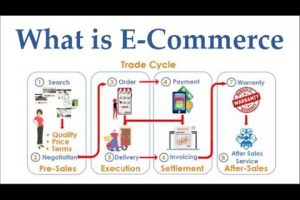
E-commerce development has transformed the way businesses sell products and services online, creating powerful digital storefronts that operate around the clock. Whether you are a startup founder exploring your first online store or an enterprise looking to scale an existing platform, understanding the nuances of e-commerce development is no longer optional — it is essential. The global digital retail market continues to grow at an extraordinary pace, and companies that invest in well-architected e-commerce solutions consistently outperform their competitors. This guide walks you through every critical aspect of building, optimizing, and scaling an online store that delivers real results.
What Is E-Commerce Development and Why Does It Matter?
E-commerce development refers to the entire process of creating, building, and maintaining online platforms where businesses can showcase products, process transactions, and manage customer relationships digitally. It encompasses everything from user interface design and frontend coding to server-side architecture, database management, and secure payment processing. At its core, e-commerce development is about crafting seamless digital experiences that convert visitors into paying customers while giving merchants the tools they need to operate efficiently.
The importance of e-commerce development has only intensified in recent years. Consumers now expect fast-loading pages, intuitive navigation, mobile responsiveness, and frictionless checkout experiences. A poorly developed online store leads to abandoned carts, lost revenue, and damaged brand reputation. On the other hand, a well-engineered e-commerce platform builds trust, encourages repeat purchases, and creates a competitive moat that is difficult for rivals to replicate.
Core Components of E-Commerce Development
Building a successful online store requires careful attention to several interconnected components. Each layer of the technology stack plays a vital role in delivering a smooth shopping experience and keeping backend operations running smoothly.
Frontend Development
The frontend is everything a customer sees and interacts with on their screen. It includes the homepage layout, product listing pages, individual product pages, the shopping cart, and the checkout flow. Modern e-commerce frontend development focuses on speed, visual appeal, and intuitive usability. Developers use technologies like React, Vue.js, and Next.js to build dynamic, single-page storefronts that feel instant and responsive. Key frontend priorities include mobile-first design, image optimization, lazy loading, and accessibility compliance.
Backend Infrastructure
The backend is the engine that powers your online store. It handles product catalog management, inventory tracking, order processing, user authentication, and data storage. Backend development typically involves server-side languages such as Node.js, Python, PHP, or Java, paired with databases like MySQL, PostgreSQL, or MongoDB. A robust backend ensures that your e-commerce site can handle high traffic volumes, process thousands of transactions simultaneously, and maintain data integrity at all times.
Payment Gateway Integration

Payment gateway integration is one of the most critical aspects of e-commerce development. Customers need to feel confident that their financial information is handled securely. Popular payment gateways like Stripe, PayPal, and Square offer developer-friendly APIs that allow seamless transaction processing. Beyond basic credit card payments, modern e-commerce platforms support digital wallets, buy-now-pay-later options, and multi-currency processing to serve a global customer base.
Choosing the Right E-Commerce Platform for Your Business
Selecting the right e-commerce development platform is one of the most consequential decisions you will make. Each platform comes with its own strengths, limitations, and ideal use cases. The best choice depends on factors such as business size, product complexity, expected traffic volume, and technical expertise.
Shopify remains a top choice for small to mid-sized businesses because of its ease of setup, extensive app ecosystem, and managed hosting. WooCommerce, a WordPress plugin, offers unmatched flexibility and customization for developers who want full control over their codebase. Magento (Adobe Commerce) suits large enterprises that require advanced inventory management, multi-store capabilities, and deep customization. Meanwhile, headless commerce platforms like BigCommerce and CommerceTools are gaining popularity because they separate the frontend from the backend, allowing developers to build custom user experiences using modern frameworks while relying on a powerful commerce engine underneath.
Key Stages of the E-Commerce Development Process
A structured development process ensures that your online store is built on solid foundations and delivered on time. Here is a practical roadmap that covers every major stage.

- Discovery and Planning — Define your business goals, target audience, product catalog structure, and feature requirements. Create wireframes and sitemaps to map out the user journey.
- Design and Prototyping — Develop wireframes, high-fidelity mockups, and interactive prototypes. Focus on user experience (UX) design to ensure intuitive navigation and clear calls to action.
- Development and Integration — Build the frontend and backend systems. Integrate third-party services such as payment processors, shipping APIs, email marketing tools, and analytics platforms.
- Testing and Quality Assurance — Conduct thorough testing including functional testing, performance testing, security audits, and cross-browser compatibility checks. Fix bugs and optimize loading speeds.
- Launch and Deployment — Deploy your platform to production, configure SSL certificates, set up DNS records, and perform a final pre-launch review before going live.
- Post-Launch Optimization — Monitor analytics, gather user feedback, and continuously iterate on design and functionality. Implement A/B testing, SEO optimizations, and conversion rate improvements.
Advanced Strategies for Scalable E-Commerce Solutions
Once your online store is live, the real work of scaling and optimizing begins. Advanced e-commerce development goes beyond launching a functional site — it involves engineering systems that can grow with your business and adapt to evolving market demands.

Implement a Headless Architecture. Headless e-commerce separates the frontend presentation layer from the backend commerce engine. This gives developers the freedom to build custom storefronts using any framework while leveraging the backend’s robust commerce features. Companies that adopt headless architecture often report faster page loads, higher conversion rates, and greater flexibility to deploy across multiple channels including web, mobile apps, and IoT devices.
Leverage Progressive Web Apps (PWAs). PWAs combine the best of web and native mobile experiences. They load instantly, work offline, and can be installed on a user’s home screen without going through an app store. For e-commerce businesses targeting mobile-first consumers, PWAs represent a significant competitive advantage that can dramatically improve engagement and sales.
Invest in Performance Optimization. Page speed directly impacts conversion rates and search engine rankings. Techniques like server-side rendering, content delivery network (CDN) integration, image compression, code splitting, and caching strategies are essential for keeping your site fast as traffic grows. Google’s Core Web Vitals have made performance a critical ranking factor, making optimization a non-negotiable part of modern e-commerce development.
Prioritize Security and Compliance. E-commerce sites handle sensitive customer data, making security a top priority. Implement SSL/TLS encryption, comply with PCI DSS standards, conduct regular penetration testing, and keep all software dependencies up to date. Data privacy regulations like GDPR and CCPA also require careful attention to how customer data is collected, stored, and processed.
Comparison of Popular E-Commerce Platforms
| Platform | Best For | Hosting | Customization | Cost |
| Shopify | Small to mid-sized businesses | Managed | Moderate (apps + themes) | $29–$299/month |
| WooCommerce | WordPress users, flexibility seekers | Self-hosted | Full control | Free + hosting costs |
| Magento / Adobe Commerce | Large enterprises | Self-hosted or cloud | Extensive | $15,000–$50,000+ annually |
| BigCommerce | Growing businesses | Managed | Moderate to high | $29–$299/month |
Frequently Asked Questions
What is the average cost of e-commerce development for a small business? The cost of building a small business online store typically ranges from $5,000 to $30,000 depending on platform choice, design complexity, and custom functionality. Using platforms like Shopify or WooCommerce with pre-built themes can significantly reduce development costs, while custom-built solutions on platforms like Magento tend to require a larger upfront investment.
How long does it take to develop an e-commerce website? Development timelines vary widely based on scope. A basic store using a turnkey platform can launch in two to four weeks, while a custom-built e-commerce solution with advanced features like multi-currency support, ERP integration, and custom analytics dashboards may take three to six months or longer.
What are the most important security practices for e-commerce sites? Essential security practices include implementing SSL/TLS encryption, adhering to PCI DSS compliance standards, using two-factor authentication for admin accounts, regularly updating plugins and software dependencies, conducting vulnerability scans, and setting up web application firewalls to protect against common threats like SQL injection and cross-site scripting.
Can I build an e-commerce site without coding knowledge? Yes, platforms like Shopify and WooCommerce allow non-technical users to build functional online stores using drag-and-drop builders and pre-designed themes. However, for advanced customization, unique functionality, or high-performance requirements, working with experienced e-commerce developers will yield significantly better results.
What is headless commerce and why is it gaining popularity? Headless commerce decouples the frontend presentation layer from the backend commerce engine, allowing developers to build custom user interfaces using modern frameworks while relying on a dedicated commerce backend for inventory management, order processing, and payment handling. This architecture offers greater flexibility, faster performance, and easier omnichannel deployment, which is why it is rapidly becoming the preferred approach for ambitious e-commerce projects.
Final Thoughts on E-Commerce Development
E-commerce development is a dynamic and multifaceted discipline that sits at the intersection of technology, design, and business strategy. Whether you are launching your first online store or scaling an existing platform to new heights, the principles remain the same: build fast, design for the user, secure every transaction, and never stop optimizing. The digital marketplace rewards those who invest in quality development and stay committed to delivering exceptional shopping experiences. By following the strategies and frameworks outlined in this guide, you will be well-equipped to create an e-commerce presence that not only meets modern consumer expectations but sets a new standard for performance and growth.