In today’s digital-first economy, an e-commerce company has become far more than just an online storefront. It represents a full-scale digital ecosystem that connects buyers and sellers across borders, time zones, and devices. Whether you are a startup founder exploring how to launch an online retail business or an established brand expanding your digital footprint, understanding what makes an ecommerce company thrive is essential. This comprehensive guide dives deep into the models, strategies, challenges, and best practices that define successful online selling companies in 2024 and beyond.
What Is an E-Commerce Company?
An e-commerce company is a business that facilitates the buying and selling of products or services through digital channels. These digital commerce firms operate entirely or primarily online, leveraging websites, mobile apps, and third-party marketplaces to reach customers. Unlike traditional brick-and-mortar retail, an online retail business eliminates geographical limitations and operates around the clock. The scope of a digital storefront can range from a solo dropshipping operation to a multinational enterprise managing millions of transactions daily.
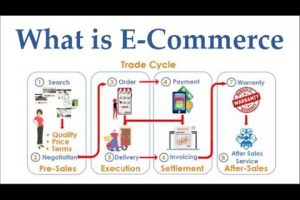
What sets a modern ecommerce company apart from a simple online catalog is its integration of logistics, payment processing, customer relationship management, data analytics, and marketing automation. These interconnected systems create a seamless shopping experience that drives repeat purchases and brand loyalty.
Types of E-Commerce Business Models
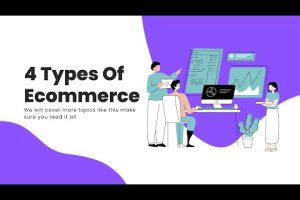
Understanding the different business models is critical for anyone looking to start an online selling company. Each model targets a distinct audience and operates with unique revenue mechanics.
Business-to-Consumer (B2C)
This is the most familiar model. A B2C ecommerce company sells directly to individual consumers. Think of brands like Nike’s direct website, Amazon storefronts, or niche DTC brands selling skincare supplements. The customer journey is typically shorter, and impulse purchases are more common.
Business-to-Business (B2B)
A B2B digital commerce firm sells products or services to other businesses. Wholesale platforms, raw material suppliers, and SaaS companies serving enterprise clients all fall into this category. Transactions tend to involve larger order values and longer sales cycles.
Consumer-to-Consumer (C2C)
Platforms like eBay, Etsy, and Facebook Marketplace enable individual sellers to list and sell products directly to other consumers. The ecommerce company in this model acts as a marketplace facilitator rather than an inventory holder.
Direct-to-Consumer (DTC)
A growing subset of B2C, DTC brands bypass traditional retailers entirely. These online retail businesses control every touchpoint — from manufacturing to the unboxing experience — giving them maximum margin and customer data ownership.
Key Components of a Successful E-Commerce Company
Building a profitable ecommerce company requires more than just listing products online. Several foundational components determine long-term viability.

Platform Selection
Your technology stack is the backbone of your digital storefront. Leading platforms include:
- Shopify — Best for DTC brands and small-to-medium businesses
- BigCommerce — Strong for B2B and mid-market companies
- WooCommerce — Ideal for businesses wanting full customization on WordPress
- Magento — Enterprise-grade solution for large-scale online retailers
Payment and Checkout Infrastructure
Seamless payment processing directly impacts conversion rates. A digital storefront must support multiple payment gateways, offer one-click checkout, and comply with PCI-DSS standards. Integrating digital wallets like Apple Pay, Google Pay, and PayPal reduces friction at the point of sale.
Fulfillment and Logistics
Order fulfillment is the operational engine of any online selling company. Whether you handle warehousing in-house or partner with third-party logistics providers, speed, accuracy, and cost-efficiency determine customer satisfaction. Many ecommerce businesses now leverage fulfillment centers and same-day delivery options to stay competitive.
Data-Driven Marketing

A thriving ecommerce company relies on analytics to guide every decision. From SEO and paid search to email automation and social commerce, digital marketing drives traffic and conversions. Customer acquisition cost, lifetime value, and return on ad spend are key metrics that separate profitable digital commerce firms from struggling ones.
How to Start an E-Commerce Company
If you are ready to launch your own online retail business, following a structured approach dramatically increases your chances of success.
- Identify your niche and target audience. Research demand, competition, and profit margins before committing to a product category.
- Choose your business model. Decide whether you will hold inventory, dropship, or curate products from multiple suppliers.
- Register your business and handle legal requirements. This includes business licenses, tax registrations, and terms of service for your digital storefront.
- Select an e-commerce platform. Match your platform to your budget, technical expertise, and scalability goals.
- Build your brand identity. Invest in professional product photography, compelling copy, and a cohesive visual identity that builds trust.
- Set up payment and shipping integrations. Ensure a smooth checkout experience with multiple options and transparent shipping costs.
- Launch and optimize. Start with a soft launch, gather feedback, and iterate on your website design, product pages, and marketing campaigns.
Revenue Streams and Monetization Strategies
An ecommerce company does not rely solely on product sales. Diversifying revenue streams creates financial resilience and unlocks new growth opportunities.
| Revenue Stream | Description | Best Suited For |
| Product Sales | Direct sales of physical or digital goods | All ecommerce business models |
| Subscription Boxes | Recurring monthly revenue from curated products | DTC brands with consumable goods |
| Marketplace Commissions | Earning a percentage from third-party sellers | C2C platforms and hybrid models |
| Affiliate Marketing | Commission-based referrals to partner brands | Content-driven online retail businesses |
| White-Label Products | Manufacturing products under another brand’s name | B2B and wholesale-focused firms |
| Premium Services | Consulting, installation, or VIP customer support | B2B and high-value product sellers |
Successful online selling companies often combine several of these streams. For instance, a DTC skincare brand might sell retail products while offering a subscription model and licensing its formulations to white-label partners. This multi-channel approach maximizes revenue per customer and insulates the business from market fluctuations.
Challenges E-Commerce Companies Face
Despite the low barriers to entry, running an ecommerce company comes with significant challenges that many entrepreneurs underestimate.
- Customer acquisition costs are rising. As digital advertising becomes more saturated, driving traffic to your digital storefront requires increasingly sophisticated strategies and higher budgets.
- Supply chain disruptions. Global logistics remain unpredictable, affecting inventory availability and delivery timelines.
- Cybersecurity threats. Online retail businesses handle sensitive customer data, making them targets for data breaches and fraud.
- Platform dependency. Relying heavily on a single marketplace like Amazon or a single platform can leave your business vulnerable to algorithm changes and policy shifts.
- Customer retention. Acquiring a new customer costs five to seven times more than retaining an existing one, yet many online selling companies neglect post-purchase engagement.
Addressing these challenges proactively — through diversified marketing channels, robust cybersecurity protocols, and a focus on customer lifetime value — separates thriving ecommerce companies from those that struggle to survive.
Expert Tips for Scaling Your E-Commerce Company
Once your online retail business is generating consistent revenue, scaling becomes the next priority. Here are expert recommendations that have proven effective across industries.
- Invest in email and SMS marketing. These channels consistently deliver the highest ROI for digital commerce firms. Segmented campaigns drive repeat purchases and increase average order value.
- Leverage social commerce. Platforms like Instagram Shop, TikTok Shop, and Pinterest Product Pins allow customers to buy directly from social media, shortening the path to purchase.
- Prioritize mobile experience. Over 60% of ecommerce traffic comes from mobile devices. Your digital storefront must be fast, responsive, and frictionless on smartphones.
- Use AI-powered personalization. Recommendation engines and dynamic product displays tailored to individual browsing behavior significantly boost conversion rates.
- Build a community. Loyalty programs, user-generated content campaigns, and exclusive subscriber groups transform one-time buyers into brand advocates.
Frequently Asked Questions
What are the essential steps to launch an e-commerce company from scratch?
Launching an ecommerce company begins with niche research, business registration, platform selection, and brand development. You then set up your product catalog, integrate payment and shipping solutions, and execute a go-to-market strategy. Most founders underestimate the importance of pre-launch audience building, so starting an email list or social media presence before launch is a critical step that many beginners skip.
How much does it cost to start an online selling company?
Startup costs vary widely based on your business model. A dropshipping ecommerce company can launch for as little as $500 to $2,000, covering domain registration, platform subscription, and initial marketing. A DTC brand holding inventory may require $5,000 to $50,000 or more for product sourcing, warehousing, and initial ad spend. The key is to validate demand before committing large capital.
What makes an ecommerce company profitable in a competitive market?
Profitability hinges on three pillars: customer acquisition efficiency, operational cost management, and premium customer experience. Digital commerce firms that focus on organic traffic through SEO, optimize their supply chain for lower fulfillment costs, and deliver exceptional post-purchase support consistently outperform competitors. Margin optimization through upselling and bundling further strengthens profitability.
Can a small e-commerce company compete with large retailers?
Absolutely. Small online retail businesses often outperform giants in niche markets where personalization, authenticity, and specialized expertise matter more than price. A focused digital storefront targeting a specific audience can build deeper loyalty and command premium pricing that mass-market retailers cannot replicate.
What technology stack is best for a growing ecommerce company?
For most growing online selling companies, Shopify Plus or BigCommerce provide the best balance of ease of use, scalability, and ecosystem integrations. For businesses with custom needs, a headless commerce architecture using a frontend framework like Next.js paired with a backend like Commerce Tools offers maximum flexibility and performance.
Conclusion
The landscape of online retail continues to evolve at a remarkable pace. Whether you are launching a small niche storefront or building a large-scale digital commerce firm, the principles of customer-centricity, operational excellence, and data-driven decision-making remain constant. An ecommerce company that invests in the right technology, diversifies its revenue streams, and prioritizes genuine customer relationships is positioned to thrive in an increasingly competitive digital marketplace. The key is to start with clarity, iterate based on real performance data, and never stop optimizing the customer experience. Your online selling company has the potential to become a lasting, profitable brand — but only if you approach it with strategy, patience, and a commitment to continuous improvement.