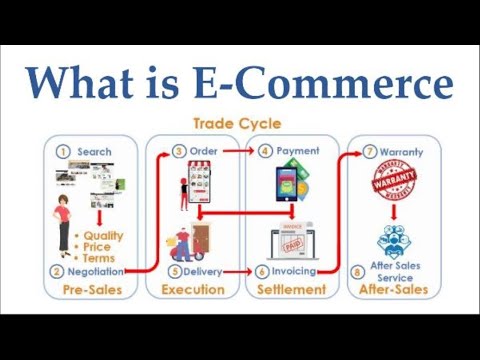
The rapid growth of electronic commerce has fundamentally reshaped how businesses operate and consumers shop worldwide. Understanding the e commerce definition is the first step toward grasping one of the most transformative forces in modern business. At its core, e-commerce refers to the buying and selling of goods and services over the internet, encompassing the entire lifecycle of online transactions — from product discovery and payment processing to order fulfillment and customer support. Whether you are an aspiring entrepreneur, a marketing professional, or simply a curious shopper, understanding what e-commerce truly means opens the door to opportunities in one of the world’s fastest-growing economic sectors. In this comprehensive guide, we will break down every dimension of digital commerce, explore its various models, and provide actionable insights for anyone looking to navigate or thrive in this space.
What Is the Full E-Commerce Definition?
The e-commerce definition extends far beyond simply purchasing products online. Electronic commerce — often abbreviated as e-commerce or eComm — describes any commercial transaction that involves the transfer of information or funds across the internet. This includes physical goods, digital products, services, subscriptions, and even financial transactions between businesses and government entities. According to industry analysts, the global e-commerce market surpassed $6.3 trillion in 2024, and projections indicate continued double-digit growth in the coming years. The term encompasses everything from a small artisan selling handmade jewelry on Etsy to multinational corporations managing billion-dollar supply chains through digital platforms.
What makes digital commerce distinct from traditional commerce is the removal of geographical and temporal barriers. Customers can browse, compare, and purchase products at any time from virtually anywhere in the world. Businesses, in turn, gain access to a global customer base without the overhead costs associated with physical storefronts.
Key Elements That Define E-Commerce
To fully understand the electronic commerce meaning, it helps to identify the foundational elements that make it possible:
- Digital Platforms: Websites, mobile applications, and social media storefronts that facilitate transactions
- Payment Gateways: Secure systems that process credit cards, digital wallets, bank transfers, and alternative payment methods
- Shopping Cart Software: Technology that allows customers to select, review, and manage items before checkout
- Inventory Management Systems: Tools that track stock levels, orders, and fulfillment in real time
- Security Protocols: SSL certificates, encryption standards, and fraud detection mechanisms that protect sensitive data
- Logistics and Delivery Networks: Infrastructure for shipping physical products or delivering digital goods instantly

Types of E-Commerce Models Explained
Not all online commerce operates the same way. Different e-commerce business models serve distinct market segments and revenue strategies. Below is a detailed breakdown of the primary models that define the digital marketplace today.
Comparison of Major E-Commerce Models
| Model | Description | Examples | Revenue Source |
| B2C (Business-to-Consumer) | Businesses sell directly to individual consumers | Amazon, Zara, Netflix | Product sales, subscriptions |
| B2B (Business-to-Business) | Businesses sell products or services to other businesses | Alibaba, ThomasNet, Salesforce | Wholesale pricing, recurring contracts |
| C2C (Consumer-to-Consumer) | Consumers sell goods or services to other consumers | eBay, Etsy, Airbnb | Transaction fees, commissions |
| C2B (Consumer-to-Business) | Individuals offer products or services to businesses | Freelancer platforms, influencer partnerships | Project fees, service contracts |
| D2C (Direct-to-Consumer) | Brands sell directly to end users, bypassing retailers | Warby Parker, Glossier, Dollar Shave Club | Direct product margins |
Each of these e-commerce models carries unique operational requirements, target audiences, and profit margins. For instance, B2B e-commerce typically involves larger order volumes and longer sales cycles, while B2C focuses on customer experience, branding, and impulse purchasing behavior.
How Does E-Commerce Work in Practice?
The e-commerce process involves a series of interconnected steps that happen in seconds when a customer clicks “Buy Now.” Here is a simplified breakdown of how online transactions flow from start to finish:
- Customer Discovery: A shopper finds a product through search engines, social media, email campaigns, or direct site visits
- Product Selection: The customer browses product pages, reviews specifications, compares prices, and adds items to a virtual shopping cart
- Checkout Process: The buyer enters shipping details, selects a delivery method, and chooses a payment option
- Payment Processing: The payment gateway encrypts transaction data and communicates with the customer’s bank or payment provider to authorize the payment
- Order Confirmation: The system generates an order confirmation, sends a notification to the customer, and updates inventory records
- Fulfillment and Delivery: The merchant packages the product and dispatches it through a logistics partner, or delivers a digital product instantly
- Post-Purchase Experience: The customer receives tracking updates, and the business collects feedback, manages returns, and nurtures repeat purchases
Understanding this workflow is critical for anyone building or optimizing an online store. Each touchpoint represents an opportunity to improve conversion rates, reduce cart abandonment, and build long-term customer loyalty.
Key Benefits of E-Commerce for Businesses and Consumers
The advantages of electronic commerce are well-documented and continue to expand as technology evolves. Here is why businesses and consumers alike are embracing digital commerce at an unprecedented rate:
- 24/7 Availability: Unlike brick-and-mortar stores with fixed hours, online stores operate around the clock, capturing sales from different time zones and schedules
- Global Reach: A well-designed e-commerce site can reach customers across continents without the cost of opening physical locations
- Lower Overhead Costs: Without the need for expensive retail space, businesses can invest more in product quality, marketing, and customer experience
- Personalization: Advanced algorithms analyze browsing behavior and purchase history to deliver tailored product recommendations and marketing messages
- Data-Driven Insights: Every click, session, and transaction generates actionable data that helps businesses optimize pricing, inventory, and marketing strategies
- Convenience and Speed: Consumers can compare hundreds of products in minutes, read reviews, and have items delivered to their doorstep within days — or hours
However, the e-commerce landscape also presents challenges that aspiring online sellers must navigate thoughtfully. These include intense competition, cybersecurity threats, complex logistics, evolving tax regulations, and the need for continuous technological investment.
Emerging Trends Shaping the Future of Digital Commerce
The world of online retail is evolving rapidly, driven by technological innovation and shifting consumer expectations. Several trends are reshaping how e-commerce businesses operate and compete:
Social Commerce and Live Shopping
Platforms like Instagram, TikTok, and Pinterest are increasingly integrating shopping features directly into their ecosystems. Social commerce allows users to discover products through content, engage with brands in real time, and complete purchases without ever leaving the app. Live shopping events — where hosts demonstrate products and viewers buy in real time — are gaining significant traction, particularly in Asian markets and increasingly in North America and Europe.
Artificial Intelligence and Personalization
AI-powered tools are transforming every stage of the e-commerce customer journey. From chatbots that handle customer service inquiries 24/7 to machine learning algorithms that predict what products a customer is most likely to purchase next, artificial intelligence is making online shopping more intuitive and efficient than ever before.
Voice Commerce and Conversational Commerce
With the rise of smart speakers and voice assistants like Alexa and Google Assistant, voice commerce is emerging as a significant channel. Consumers can now place orders, track shipments, and reorder products using voice commands alone, opening new possibilities for hands-free shopping experiences.
Sustainable and Ethical Commerce
Today’s consumers are increasingly conscious of environmental and social impact. E-commerce businesses that prioritize sustainable packaging, ethical sourcing, and carbon-neutral delivery are earning stronger brand loyalty and differentiation in crowded markets.
Expert Tips for Understanding and Succeeding in E-Commerce
Whether you are just starting to explore digital commerce or looking to scale an existing online business, these expert recommendations can help you build a strong foundation:
- Start with a clear niche: Trying to sell everything to everyone rarely works. Focus on a specific audience and solve a specific problem.
- Invest in user experience: A clean, fast, mobile-responsive website with intuitive navigation dramatically reduces bounce rates and increases conversions.
- Prioritize mobile optimization: Over 60% of online shopping sessions now begin on mobile devices. Your store must perform flawlessly on smartphones and tablets.
- Leverage multiple channels: Do not rely solely on your own website. Sell through marketplaces like Amazon, eBay, and social platforms to maximize visibility.
- Build trust through transparency: Clear return policies, authentic customer reviews, and visible contact information establish credibility and encourage repeat purchases.
- Track and analyze key metrics: Monitor metrics like conversion rate, average order value, customer acquisition cost, and customer lifetime value to make data-informed decisions.
Conclusion
The e-commerce definition is far more than a simple explanation of buying and selling online. It represents a complete ecosystem of technology, strategy, logistics, and customer relationships that continues to reshape the global economy. From understanding the various business models and transaction processes to staying ahead of emerging trends like social commerce and AI-driven personalization, mastering digital commerce requires both knowledge and adaptability. As consumer behavior shifts further toward online channels, businesses and individuals who invest in understanding electronic commerce will be best positioned to succeed in an increasingly digital world.
Frequently Asked Questions
1. What is the simple definition of e-commerce?
E-commerce, short for electronic commerce, refers to the buying and selling of goods and services over the internet. It encompasses all online financial transactions, from retail purchases and digital downloads to B2B wholesale exchanges and subscription-based services.
2. What are the four main types of e-commerce models?
The four primary e-commerce models are B2C (Business-to-Consumer), B2B (Business-to-Business), C2C (Consumer-to-Consumer), and C2B (Consumer-to-Business). A fifth model, D2C (Direct-to-Consumer), has also gained significant popularity as brands bypass traditional retail intermediaries.
3. How does e-commerce differ from traditional commerce?
Traditional commerce relies on physical storefronts, face-to-face interactions, and local market reach. E-commerce removes these limitations by enabling transactions through digital platforms, offering 24/7 availability, global accessibility, and data-driven customer insights that traditional retail cannot easily replicate.
4. What skills do you need to start an e-commerce business?
Starting a successful e-commerce business requires a blend of skills including digital marketing, basic web development or platform management, inventory and supply chain management, customer service, data analytics, and financial planning. Many entrepreneurs also benefit from understanding SEO and social media marketing to drive organic traffic.
5. Is e-commerce only about selling physical products online?
No, the scope of electronic commerce extends well beyond physical goods. It includes digital products like ebooks, software, online courses, streaming services, subscription models, SaaS platforms, and even financial services such as online banking and digital insurance purchases.
6. What is the difference between e-commerce and m-commerce?
E-commerce encompasses all online commercial transactions across any device, while m-commerce specifically refers to transactions conducted through mobile devices such as smartphones and tablets. M-commerce is a subset of e-commerce that focuses on mobile-optimized experiences, apps, and mobile payment systems like Apple Pay and Google Pay.