In the rapidly evolving digital landscape, ecommerce has fundamentally transformed how consumers discover, evaluate, and purchase products and services. Gone are the days when physical storefronts were the sole avenue for commerce; today, electronic commerce represents a sprawling, dynamic ecosystem where businesses of all sizes can reach global audiences with unprecedented ease. Whether you are an aspiring entrepreneur exploring the world of online retail or a seasoned brand looking to optimize your digital storefront, understanding the nuances of ecommerce is no longer optional—it is essential. This comprehensive guide delves deep into the mechanics of online selling, exploring everything from foundational business models to advanced strategies for scaling your digital operations and maximizing revenue in a fiercely competitive marketplace.
What is Ecommerce? A Deep Dive into Modern Digital Retail
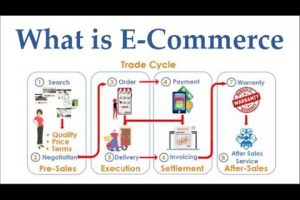
At its core, ecommerce—short for electronic commerce—refers to the buying and selling of goods or services using the internet, and the transfer of money and data to execute these transactions. While many people equate ecommerce strictly with retail, the definition encompasses a much broader scope of digital business interactions, including digital downloads, subscription services, and online marketplaces. The beauty of selling online lies in its accessibility; it removes geographical barriers, allowing a small boutique to sell handmade crafts to customers halfway across the world. As mobile commerce continues to surge, consumers now expect seamless, instant shopping experiences on their smartphones, making mobile optimization a critical pillar of any successful digital strategy.

The Evolution of Online Business
The journey of ecommerce began in the 1990s with rudimentary websites like Amazon and eBay, which disrupted traditional retail models. Back then, consumers were skeptical about sharing credit card details online. However, as security protocols like SSL encryption and trusted payment gateways matured, public trust grew exponentially. Today, the ecommerce industry generates trillions of dollars annually, driven by innovations in artificial intelligence, personalized recommendations, and streamlined logistics. Understanding this evolution helps current business owners appreciate the necessity of staying ahead of technological trends rather than falling behind.
Essential Ecommerce Models: From B2B to D2C
Not all online businesses operate on the same model. Depending on your target audience and the nature of your products, you must align your strategy with the correct ecommerce framework. Let us break down the primary models that dominate the digital marketplace today.
- Business-to-Consumer (B2C): This is the most familiar model, where businesses sell directly to individual end-users. Think of purchasing clothing from an online boutique or buying electronics through a major retailer’s website. B2C relies heavily on marketing, branding, and emotional purchasing triggers.
- Business-to-Business (B2B): In this model, businesses sell products or services to other businesses. Transactions often involve larger order volumes, longer sales cycles, and bulk pricing. B2B electronic commerce requires robust inventory management and customized quoting systems.
- Direct-to-Consumer (DTC): DTC brands bypass traditional retailers entirely, selling straight from the manufacturer to the customer. This model allows for higher profit margins and direct control over brand perception, though it requires significant investment in digital marketing and customer acquisition.
- Consumer-to-Consumer (C2C): Platforms like eBay or Etsy facilitate transactions between individual consumers, acting as the middleman for peer-to-peer sales and handmade goods.
Building a Winning Ecommerce Website: Step-by-Step Blueprint
Launching an online store is just the beginning; constructing a high-converting digital platform requires meticulous planning. If you are serious about succeeding in the digital retail space, you must treat your website as a dynamic asset rather than a static brochure. Below is a practical blueprint for building an ecommerce site that attracts, engages, and converts visitors into loyal customers.
Choosing the Right Ecommerce Platform

Selecting the right software foundation is perhaps the most critical decision you will make. Your platform dictates your site’s scalability, functionality, and ease of use. Shopify remains a top choice for beginners due to its user-friendly interface and extensive app ecosystem. WooCommerce, a plugin for WordPress, offers unmatched customization for those who prefer open-source flexibility. Meanwhile, enterprise-level brands often turn to Adobe Commerce or BigCommerce for their advanced features and robust API capabilities. When evaluating platforms, consider your budget, technical expertise, and long-term growth projections.
Payment Gateways and Transaction Security
Security is the backbone of any successful online business. Customers must trust that their financial data is protected during checkout. Implementing reputable payment gateways like Stripe, PayPal, or Square ensures that transactions are processed securely and efficiently. Beyond just processing payments, you must integrate SSL certificates to encrypt data transmission and comply with Payment Card Industry Data Security Standard regulations. A frictionless, secure checkout process drastically reduces cart abandonment rates and builds the trust necessary for repeat business.
Inventory Management and Order Fulfillment
As your digital retail operations grow, managing stock levels manually becomes a recipe for disaster. Implementing automated inventory management systems allows you to track stock in real time, set up low-stock alerts, and sync data across multiple sales channels. Furthermore, your fulfillment strategy—whether self-fulfilled or outsourced to third-party logistics providers—directly impacts delivery times and customer satisfaction. Fast, reliable shipping has become a baseline expectation in modern electronic commerce.
Overcoming Key Ecommerce Challenges
Running an online store comes with its unique set of hurdles. From fierce competition to operational complexities, business owners must navigate these challenges strategically. Understanding these pain points is the first step toward building a resilient, profitable online enterprise.
| Challenge | Description | Solution |
| Cart Abandonment | Customers add items to their cart but leave before completing the purchase. | Implement exit-intent popups, simplify checkout, and offer guest checkout options. |
| Customer Acquisition Cost | The expense of convincing a potential customer to buy a product or service. | Focus on organic search engine optimization and content marketing to lower CAC. |
| Supply Chain Disruptions | Delays or shortages that interrupt the flow of goods from manufacturer to consumer. | Diversify suppliers and maintain safety stock to buffer against disruptions. |
| Cybersecurity Threats | Hackers targeting customer data and financial transactions. | Use PCI-compliant gateways, regular security audits, and robust encryption. |

Addressing these challenges proactively ensures that your ecommerce business remains agile and prepared for the unpredictable nature of the digital marketplace. Investing in robust technology and skilled personnel pays dividends in the long run, protecting both your revenue and your reputation.
Advanced Strategies for Scaling Your Ecommerce Business
Once your online store is stable and generating consistent revenue, the focus must shift toward scaling. Scalability in digital retail means increasing your operational capacity without sacrificing quality or profitability. Here are expert-level strategies to propel your business forward:
- Omnichannel Commerce Integration: Customers interact with brands across multiple touchpoints—social media, physical stores, websites, and mobile apps. Omnichannel commerce ensures a seamless, unified experience regardless of where the interaction occurs. Integrating your point-of-sale system with your online inventory creates a cohesive brand experience that drives loyalty.
- Leveraging Artificial Intelligence and Machine Learning: AI tools are revolutionizing electronic commerce by enabling hyper-personalization at scale. From predictive analytics that anticipate customer needs before they even articulate them, to sophisticated chatbots providing 24/7 customer support, artificial intelligence automates mundane tasks while simultaneously enhancing the overall customer journey. Machine learning algorithms analyze browsing behavior and purchase history to serve up personalized product recommendations, significantly increasing average order value.
- Optimizing for Voice Search: As smart speakers and voice assistants become ubiquitous, optimizing your digital content for conversational queries is becoming essential. Voice commerce is an emerging frontier in ecommerce that requires a shift in keyword strategy from short-tail to long-tail, natural language phrases.
- Sustainable and Ethical Sourcing: Modern consumers are increasingly conscious of their environmental impact. Businesses that prioritize sustainable practices and transparent sourcing often enjoy higher customer retention rates and stronger brand affinity. Highlighting your commitment to ethical commerce can differentiate your brand in a crowded marketplace.
Frequently Asked Questions About Ecommerce
What is the difference between ecommerce and an ecommerce website?
The term “ecommerce” is a broad concept encompassing all commercial transactions conducted electronically, including business models, payment processing, and digital marketing. An “ecommerce website,” on the other hand, is the specific digital platform or storefront where these transactions take place. Think of ecommerce as the entire industry or ecosystem, while your website is the specific tool you use to participate in that ecosystem.
How much does it cost to start an ecommerce business from scratch?
The startup costs for launching an online store vary wildly depending on your business model, platform choice, and inventory. A dropshipping model can be started for as little as $100 to $500, covering domain registration and basic subscriptions. However, a traditional inventory-based ecommerce business requires capital for stock, warehousing, and potentially higher platform fees, often ranging from $1,000 to $10,000 or more initially.
What is cart abandonment rate and how can I reduce it effectively?
Cart abandonment rate refers to the percentage of shoppers who add items to their online shopping cart but leave the site without completing the purchase. Industry averages hover around 70%. To reduce this, you should simplify the checkout process, offer multiple payment methods, provide clear shipping costs upfront, and send targeted abandoned cart recovery emails to remind customers of their pending purchases.
Which is better: dropshipping or holding inventory for your ecommerce store?
The choice between dropshipping and holding inventory depends on your business goals, capital, and risk tolerance. Dropshipping requires minimal upfront investment and eliminates the hassle of warehousing, but it offers lower profit margins and less control over shipping times and product quality. Holding inventory gives you control over the customer experience and typically yields higher margins, but it demands more capital and carries the risk of unsold stock.
Why is mobile commerce so important for modern online stores?
Mobile commerce, or m-commerce, is critical because a significant portion of online traffic now originates from smartphones. Customers expect seamless, fast, and intuitive shopping experiences on their mobile devices. If your ecommerce site is not optimized for mobile—meaning it loads quickly and has a responsive design—you will lose a massive percentage of potential revenue to competitors with mobile-friendly stores.
Conclusion: Embracing the Future of Digital Commerce
The world of ecommerce continues to evolve at a breathtaking pace, driven by relentless technological advancements and rapidly shifting consumer expectations. Success in this space requires far more than just setting up an online store and waiting for sales to roll in; it demands a deep understanding of digital business models, a relentless focus on user experience, and the strategic agility to adapt to new trends like artificial intelligence and mobile commerce. By implementing the strategies outlined in this guide—from selecting the right platform and securing your payment gateways to scaling through omnichannel integration and AI— you position your business for sustainable growth. The digital marketplace is vast, highly competitive, and unforgiving, but with the right knowledge, persistent execution, and a commitment to delivering exceptional value, your online business can absolutely thrive and achieve remarkable, long-term success.