The world of competitive gaming has evolved into a multi-billion-dollar global industry, and behind every successful esports team, tournament, and brand partnership stands a well-organized esport agency. Whether you’re a talented player looking to turn pro, a brand seeking authentic gaming audiences, or an entrepreneur wanting to break into the esports business, understanding what an esports agency does and how to work with one is absolutely critical. These organizations serve as the backbone of the modern competitive gaming ecosystem — handling everything from player contracts and sponsorship negotiations to event logistics and media distribution. In this comprehensive guide, we’ll break down everything you need to know about esports agencies, from foundational concepts to advanced strategies for maximizing your presence in this fast-paced industry.
What Is an Esport Agency?
An esport agency — sometimes referred to as an esports management agency, gaming agency, or esports representation firm — is a professional organization that manages, promotes, and facilitates business operations within the esports industry. Think of it as the equivalent of a talent agency in traditional sports or entertainment, but specifically tailored for competitive gaming.
These agencies represent players, teams, streamers, content creators, and even event organizers. They act as intermediaries who bridge the gap between talent and opportunity, ensuring that all parties involved in the esports value chain can focus on what they do best while the agency handles negotiations, legal frameworks, branding, and strategic growth.
Types of Esport Agencies
Not all esports agencies operate the same way. The landscape is surprisingly diverse, and knowing which type aligns with your goals matters enormously.
- Player representation agencies: Focus on signing individual players or roster members, negotiating team contracts, and managing personal brands.
- Team management agencies: Handle the business side of entire esports organizations, including roster decisions, coaching staff hiring, and facility management.
- Event management agencies: Specialize in organizing, promoting, and running esports tournaments, leagues, and live events.
- Sponsorship and brand agencies: Connect esports properties with corporate sponsors, handling deal sourcing, activation, and brand alignment.
- Full-service esports agencies: Offer a comprehensive suite of services covering representation, event management, marketing, and media distribution all under one roof.
Core Services Offered by Esport Agencies
The services provided by a professional esports business management firm go far beyond what most people initially imagine. Here’s a detailed look at what top-tier agencies typically deliver:
Player and Team Representation
This is arguably the most well-known function. Esports agencies scout talent, negotiate contracts with teams, and manage player careers over the long term. They advise on which organizations to join, evaluate contract terms, and protect players’ interests through legal and financial guidance. For teams, the agency handles organizational strategy, competitive scheduling, and long-term brand development.
Sponsorship Acquisition and Brand Partnerships
One of the most valuable services an esports sponsorship agency provides is connecting talent with relevant brands. This involves identifying potential sponsors, crafting pitch decks, negotiating deal terms, and ensuring activations meet both the brand’s marketing goals and the player’s authentic image. Common sponsorship categories include hardware manufacturers, energy drink brands, telecom companies, and lifestyle apparel labels.

Event Planning and Tournament Management
Running an esports event requires coordination between venues, broadcasting platforms, teams, and audiences. Esport agencies that specialize in event management handle venue selection, technical production, broadcast partnerships, ticket sales, and compliance with gaming governing body regulations.
Media and Content Strategy
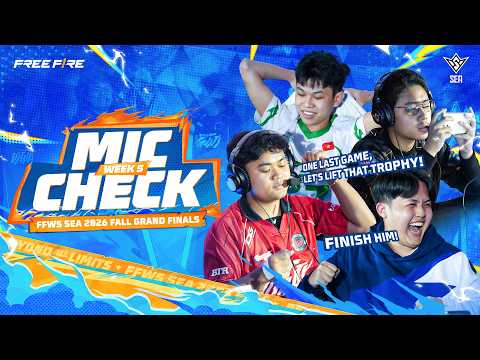
In the digital-first world of gaming, content is king. Agencies develop media strategies that include social media management, streaming platform partnerships, original content production, and influencer collaborations designed to amplify reach and engagement.
Legal and Financial Advisory
From non-disclosure agreements and team contracts to revenue splitting and tax planning, advanced esports management agency services often include dedicated legal and financial counsel. This ensures all business dealings are transparent, compliant, and structured for long-term stability.
How to Choose the Right Esport Agency
Selecting the right agency partner can define the trajectory of your esports career or business. Here’s a practical framework for making the right decision, whether you’re a beginner or a seasoned professional.
Key Factors to Evaluate
- Reputation and track record: Research the agency’s history. Look for verified case studies, testimonials from represented players or teams, and a transparent portfolio of past deals and events.
- Specialization: Some agencies excel at player representation but lack event management capabilities. Identify what you need most and find an agency strong in that area.
- Network and industry connections: A strong agency will have deep relationships with team organizations, tournament organizers, brands, and media platforms. These connections directly impact the opportunities available to you.
- Contract terms and commission structure: Understand how the agency earns money. Most take a percentage of deals they secure, typically ranging from 10% to 20%. Make sure the terms are fair and clearly documented.
- Transparency and communication: You should always know what your agency is working on. Regular updates, detailed reporting, and open communication are non-negotiable.
Comparison: In-House Management vs. Hiring an Esport Agency
| Aspect | In-House Management | Esport Agency |
| Cost Structure | Fixed salary or internal budget | Commission-based (10-20% per deal) |
| Industry Expertise | Limited to internal knowledge | Deep, specialized market intelligence |
| Network Access | Restricted to existing contacts | Extensive professional network |
| Scalability | Difficult to scale quickly | Highly scalable with resources |
| Legal Protection | Requires separate legal counsel | Often includes integrated legal support |
| Best For | Established, self-sufficient teams | Players, rising teams, and brands |
Building a Career Through an Esports Agency
For Beginners: Getting Started
If you’re new to competitive gaming and considering professional representation, start by building a competitive profile. Maintain consistent rankings, participate in recognized tournaments, and develop a social media presence. Agencies actively scout these channels. Reach out professionally with a summary of your achievements, audience metrics, and career goals.
For Intermediate Players: Maximizing Representation
Once signed with an esports player agency, focus on brand development. Work with your agency to establish a personal brand identity that resonates beyond gameplay. Authenticity matters — audiences and sponsors value genuine personalities over generic personas. Regularly review your growth metrics and adjust strategy accordingly.
For Advanced Professionals: Strategic Brand Expansion
Experienced players and teams should leverage their professional gaming agency to explore ventures beyond competitive play. This includes content creation, gaming hardware lines, coaching platforms, mentorship programs, and even investment in grassroots esports initiatives. Top-tier professionals diversify income streams and build lasting legacies.
Revenue Models and Monetization Strategies
Understanding how esport agencies generate revenue helps clarify their motivations and aligns expectations for clients. The primary revenue models include:
- Commission on contracts and deals: The most common model, where the agency earns a percentage from player contracts, sponsorship deals, and event bookings.
- Retainer fees: Some agencies charge a monthly retainer for ongoing management services, particularly for established talent.
- Event revenue sharing: Agencies involved in tournament organization often take a share of ticket sales, broadcasting rights, or prize pool distributions.
- Performance bonuses: In certain arrangements, agencies receive bonuses when specific revenue or engagement milestones are hit.
Expert Tips and Practical Recommendations
Here are actionable insights drawn from industry insiders that can help you get the most from your esports agency partnership:
- Never sign long-term contracts without legal review. Even the best agencies present agreements that deserve independent legal scrutiny. Ensure exit clauses and performance benchmarks are clearly defined.
- Prioritize agencies with proven esports-specific experience. Traditional sports or entertainment agencies often lack the nuanced understanding of gaming culture, audience behavior, and platform dynamics that define esports success.
- Track your personal brand analytics. Follower growth, engagement rates, streaming viewership, and tournament placements all factor into your marketability. Share this data with your agency regularly.
- Stay actively involved in your own career strategy. While your agency provides guidance, staying informed and engaged ensures you make decisions aligned with your personal values and long-term vision.
- Build relationships within the agency’s network. The connections your agency facilitates — with brands, fellow players, coaches, and media — are among the most valuable assets in your career. Nurture those relationships genuinely.
- Diversify your income early. Don’t rely solely on tournament winnings or team salaries. Sponsorships, content creation, and merchandise can become equal or greater revenue sources with the right agency support.
The Growing Importance of Esport Agencies in 2024 and Beyond
The esports industry is projected to surpass $5 billion in annual revenue, and the role of agencies in capturing that value continues to expand. Traditional sports franchises are investing heavily in esports divisions, media companies are acquiring tournament rights at unprecedented rates, and brands are allocating larger portions of their marketing budgets to gaming-influencer partnerships. In this increasingly competitive landscape, esports agency professionals serve as the strategic architects making these connections possible.
Agencies are also adapting to emerging trends like mobile esports, AI-driven analytics for performance optimization, virtual reality gaming events, and the growing importance of women’s and amateur competitive scenes. Forward-thinking agencies are investing in these areas now to establish dominance before the market fully matures.
Conclusion
An esport agency is far more than a manager or a middleman — it is a strategic partner that can shape the entire trajectory of your competitive gaming career or business venture. From contract negotiation and brand building to event production and sponsorship activation, these organizations bring expertise, connections, and infrastructure that would be nearly impossible for individuals or small teams to replicate on their own. Whether you’re a beginner ready to go pro or an established brand looking to deepen your esports presence, choosing the right agency and building a strong collaborative relationship is the single most impactful decision you can make. The industry is accelerating, and those who align with capable, trustworthy representation will be the ones who thrive.
Frequently Asked Questions (FAQs)
What exactly does an esports agency do for professional players?
An esports agency manages the business side of a player’s career, including contract negotiations with teams, sponsorship acquisition, brand development, legal support, and strategic career planning. They ensure players are fairly compensated and positioned for long-term growth within the industry.
How much do esports agencies typically charge their clients?
Most esports agencies operate on a commission-based model, charging between 10% and 20% of the revenue generated from deals they secure. Some established agencies may also charge retainer fees or performance-based bonuses depending on the scope of services provided.
Can a beginner in esports benefit from hiring an agency?
Yes, but it depends on your current visibility and competitive achievements. Beginners with strong rankings, tournament results, and a growing social media following can attract agency interest. It’s often wise to build a foundational profile before approaching agencies, though some representation firms actively scout emerging talent.
What’s the difference between an esports agency and an esports team?
An esports team is a competitive roster that participates in tournaments under a specific organizational banner. An esports agency is a business entity that manages, represents, and facilitates opportunities for players, teams, or events. Agencies may or may not own teams themselves, but their primary function is strategic management and deal-making.
How do I find a reputable esports agency to work with?
Start by researching agencies with documented success stories, transparent commission structures, and strong industry connections. Look for reviews from represented talent, check their portfolio of past sponsorships and events, and attend industry networking events where agencies frequently showcase their services. A reputable agency will always be willing to provide references and answer detailed questions about their processes.
Are esports agencies involved in international and amateur-level gaming as well?
Yes, increasingly so. While many agencies focus on professional-tier talent, a growing number are investing in amateur and regional competitive scenes, recognizing the massive pipeline of talent that feeds into top-tier professional play. International representation is also common, with global agencies placing players and events across multiple continents and gaming titles.