When you think about the modern economy, it’s nearly impossible to ignore the sheer dominance of e-commerce enterprises. These digital-first businesses have fundamentally reshaped how products and services are bought, sold, and delivered across the globe. From solo entrepreneurs launching dropshipping stores to multinational corporations running sprawling online marketplaces, e-commerce ventures represent one of the fastest-growing sectors in the global marketplace. Whether you’re a budding entrepreneur exploring online business ideas or an established brand looking to expand your digital footprint, understanding the anatomy of a successful e-commerce enterprise is essential. This guide dives deep into everything you need to know — from foundational concepts and business models to advanced growth strategies that can take your digital retail operation to the next level.
What Are E-Commerce Enterprises?
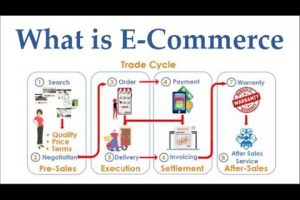
An e-commerce enterprise is any business that conducts commercial transactions primarily through digital channels. These online business ventures sell physical products, digital goods, services, or even subscriptions through websites, mobile apps, or third-party platforms like Amazon, Shopify, or eBay. Unlike traditional brick-and-mortar businesses, digital commerce companies leverage technology to reach customers beyond geographic boundaries, operate with lower overhead costs, and scale rapidly.
The beauty of e-commerce ventures lies in their versatility. They can range from a single-person online store selling handmade crafts to massive enterprise-level operations processing millions of transactions daily. The global e-commerce market is projected to surpass $8 trillion by 2026, which underscores just how lucrative this space can be for those willing to put in the strategic effort.
Types of E-Commerce Enterprises
Not all online retail businesses are created equal. Understanding the different models helps you identify which structure best fits your goals, resources, and target audience.
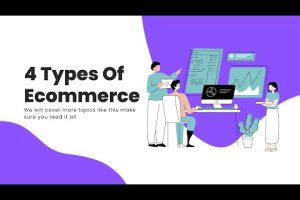
Business Model Breakdown
- B2C (Business-to-Consumer): The most recognizable model. Companies like Nike, Amazon, and Netflix sell directly to individual consumers. This is often the go-to model for beginners starting an e-commerce venture.
- B2B (Business-to-Business): These digital commerce companies sell products or services to other businesses. Think of wholesale platforms like Alibaba or SaaS providers. B2B e-commerce often involves larger transaction volumes and longer sales cycles.
- C2C (Consumer-to-Consumer): Platforms like eBay, Etsy, and Facebook Marketplace enable consumers to sell directly to one another. These online selling platforms typically earn revenue through transaction fees.
- C2B (Consumer-to-Business): A reverse model where individuals sell to businesses — freelance marketplaces like Upwork and Fiverr are prime examples of internet-based retail in the service economy.
- D2C (Direct-to-Consumer): Brands that bypass traditional retail intermediaries and sell directly through their own digital storefronts. Companies like Warby Parker and Glossier built empires on this model.
Key Components of a Successful E-Commerce Enterprise
Building a thriving online business requires more than just a product and a website. High-performing digital commerce operations share several critical components that drive sustainable growth.
Core Elements Every Online Retail Business Needs
- A User-Friendly Website or Platform: Your digital storefront is your storefront. It must be fast, mobile-responsive, and optimized for conversions. Platforms like Shopify, WooCommerce, and BigCommerce make this accessible even for beginners.
- Secure Payment Processing: Trust is everything in online selling. Integrating reliable payment gateways like Stripe, PayPal, or Square ensures customer data stays safe and transactions run smoothly.
- Effective Product Photography and Descriptions: First impressions matter. High-quality visuals and compelling product copy can dramatically improve conversion rates.
- Inventory Management Systems: As your e-commerce venture grows, keeping track of stock manually becomes impossible. Automated inventory tools prevent overselling and stockouts.
- Customer Relationship Management (CRM): Building lasting customer relationships through email marketing, loyalty programs, and personalized experiences separates thriving online businesses from failing ones.
- Data Analytics and Reporting: Top-performing digital commerce companies obsess over metrics — conversion rates, average order value, customer acquisition cost, and lifetime value.
Building Your E-Commerce Enterprise from Scratch
Starting an online business can feel overwhelming, but breaking the process into manageable phases makes it far more achievable. Here’s a roadmap that covers beginner, intermediate, and advanced approaches.
Beginner Phase: Laying the Foundation
Start by identifying a profitable niche. Conduct keyword research using tools like Google Keyword Planner or Ahrefs to validate demand. Choose a business model — dropshipping, print-on-demand, or holding your own inventory — based on your budget and risk tolerance. Set up your online store on a platform that suits your technical skill level. Focus on a narrow product catalog initially and aim to perfect your customer experience before expanding.
Expert Tip: Don’t try to compete with giants on their terms at the start. Instead, target a specific audience with a very clear problem your product solves. This gives your digital storefront a strong value proposition from day one.
Intermediate Phase: Driving Growth

Once your foundation is solid, it’s time to scale. Invest in search engine optimization (SEO) to drive organic traffic. Build an email list from your very first customers — email marketing consistently delivers the highest ROI among digital marketing channels. Explore paid advertising on Google Shopping and social media platforms, starting with small budgets and scaling what works. Implement upselling and cross-selling strategies to increase your average order value.
Advanced Phase: Scaling and Diversifying
At this stage, your internet-based retail operation should be generating consistent revenue. Consider expanding to international markets, launching private-label products, or building a subscription-based revenue stream. Explore partnerships with influencers and affiliate marketers to tap into new audiences. Invest in automation tools for customer service, order fulfillment, and reporting to free up your time for strategic decision-making.
E-Commerce Enterprise vs Traditional Business
Understanding how online retail businesses differ from traditional companies helps clarify why so many entrepreneurs are making the shift.
| Factor | E-Commerce Enterprise | Traditional Business |
| Operating Costs | Lower (no physical storefront needed) | Higher (rent, utilities, staffing) |
| Geographic Reach | Global, 24/7 accessibility | Limited to local or regional markets |
| Startup Investment | Can start with under $500 | Often requires tens of thousands |
| Customer Data Access | Deep behavioral analytics available | Limited to in-store observations |
| Scalability | Highly scalable with minimal added cost | Scaling often requires significant additional resources |
| Customer Interaction | Digital, automated, and personalized | Face-to-face but harder to scale |
Common Challenges Faced by E-Commerce Enterprises
Despite the opportunities, running an online selling platform comes with real challenges that every digital commerce company must address:
- Intense Competition: The barrier to entry is low, which means saturated markets. Differentiation through branding, customer experience, and niche specialization is critical.
- Customer Trust: Online shoppers are cautious. Building trust requires clear return policies, verified reviews, secure payment badges, and transparent business practices.
- Logistics and Fulfillment: Managing shipping, returns, and inventory across multiple channels can be complex. Partnering with reliable fulfillment centers or using third-party logistics (3PL) services helps mitigate this.
- Technical Issues: Website downtime, slow loading speeds, and broken checkout processes can cost you sales instantly. Regular maintenance and monitoring are non-negotiable.
- Customer Retention: Acquiring a new customer costs five times more than retaining an existing one. Loyalty programs, personalized communication, and exceptional post-purchase support are essential for any online business that wants long-term success.
Expert Tips for Long-Term E-Commerce Success
To close out this deep dive, here are battle-tested recommendations from those who have built and scaled successful e-commerce ventures:
- Prioritize mobile optimization. Over 60% of e-commerce traffic now comes from mobile devices. If your digital storefront isn’t flawless on smartphones, you’re leaving serious revenue on the table.
- Leverage social proof relentlessly. Customer reviews, user-generated content, and case studies build credibility and influence buying decisions more than any marketing copy.
- Invest in content marketing. Blog posts, video tutorials, and buying guides position your online retail business as an authority in your niche while driving sustainable organic traffic.
- Test everything. A/B test your product pages, checkout flows, email subject lines, and ad creatives. Data-driven decisions consistently outperform gut feelings in digital commerce.
- Stay compliant. GDPR, CCPA, and other data privacy regulations have serious financial penalties. Ensure your e-commerce enterprise maintains proper consent mechanisms and data handling practices from the very beginning.
Frequently Asked Questions About E-Commerce Enterprises
What is the most profitable type of e-commerce enterprise to start?

The most profitable model depends on your expertise and resources, but D2C brands and niche B2B e-commerce ventures tend to offer the highest margins because they control pricing, eliminate intermediaries, and serve audiences with specific needs that generic retailers can’t address effectively.
How much money do I need to start an e-commerce enterprise?
You can launch a basic e-commerce venture for as little as $200 to $500 using dropshipping or print-on-demand models. However, for a more sustainable and competitive online business, budgeting $2,000 to $5,000 for initial inventory, branding, and marketing is recommended.
What platforms are best for building an e-commerce enterprise in 2024?
Shopify remains the top choice for beginners and intermediate sellers due to its ease of use and extensive app ecosystem. WooCommerce is ideal for those comfortable with WordPress who want full customization. BigCommerce and Magento suit larger enterprises needing advanced features and scalability.
How do e-commerce enterprises handle shipping and returns?

Most successful online business owners partner with third-party logistics providers or use built-in shipping solutions from platforms like Shopify. For returns, a clear and generous return policy builds customer trust. Automated return management tools help process refunds and restock inventory efficiently.
Technically yes, but it would be extremely difficult to scale without it. Social media platforms like Instagram, TikTok, and Pinterest have become powerful sales channels in their own right. Organic social media, combined with paid advertising, drives significant traffic and conversions for most thriving digital commerce companies.
What legal requirements do I need to comply with when starting an e-commerce enterprise?
You’ll need a business license, sales tax permit (depending on your jurisdiction), and compliance with data privacy laws like GDPR and CCPA. If you’re selling internationally, you may also need to understand customs regulations and import/export requirements. Consulting a business attorney early on is always a wise investment.
Conclusion
The world of e-commerce enterprises is vast, dynamic, and overflowing with opportunity for those willing to put in the strategic work. Whether you’re launching a small online store or scaling an established digital commerce brand, the principles remain the same: know your audience, deliver exceptional value, optimize relentlessly, and stay adaptable in the face of changing market conditions. The digital economy isn’t slowing down — it’s accelerating. The e-commerce ventures that thrive will be those that treat their online business not as a side project, but as a serious, long-term enterprise built on solid foundations and continuous improvement. Start today, learn from your data, and never stop refining your approach to digital selling.